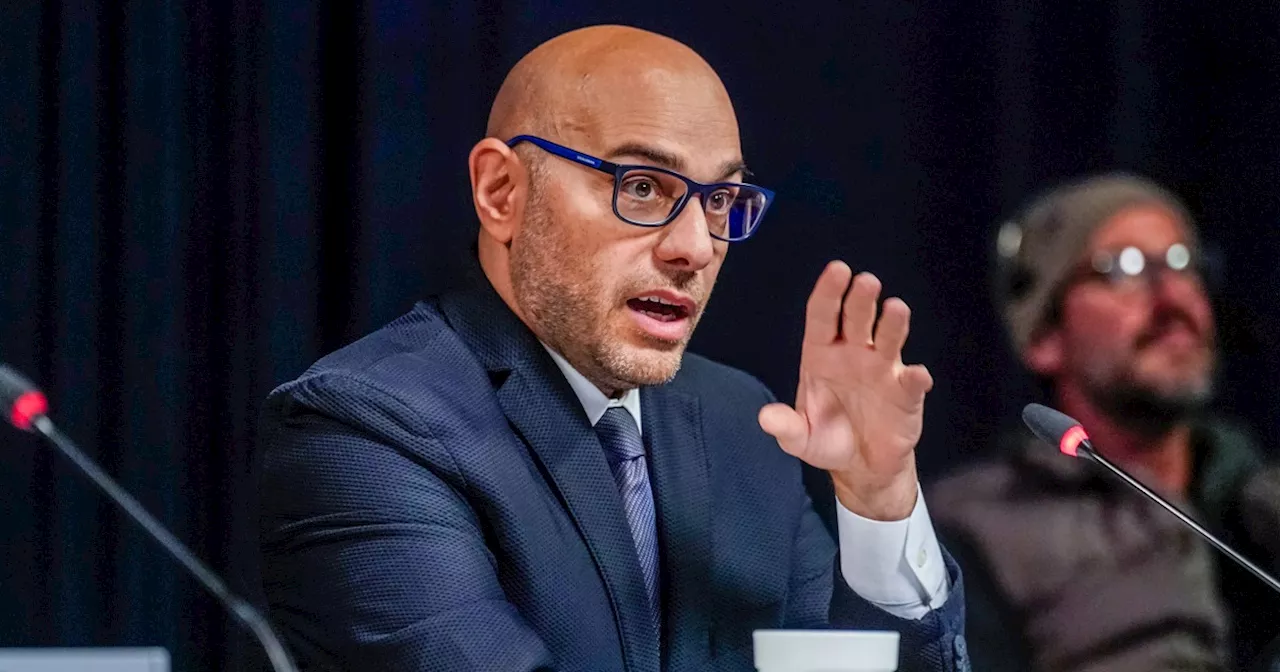
UPDATE: A controversial presentation by anti-vaccine lawyer Aaron Siri at a CDC advisory meeting on September 29, 2023, has ignited fierce backlash as he raised alarming claims about childhood vaccines. This unprecedented event marks a significant shift for the Advisory Committee on Immunization Practices (ACIP), long regarded as a trusted authority on vaccine recommendations.
Siri, who has a close relationship with anti-vaccine advocate Robert F. Kennedy Jr., argued against the necessity and safety of several vaccines, including the hepatitis B shot. His assertions, including debunked claims linking vaccines to autism, have raised alarms among public health experts. Art Caplan, a medical ethics authority at NYU Langone Medical Center, condemned Siri’s presence, stating it signals an ideological shift away from scientific evidence: “This is a science issue, and he’s the wrong guy… with the wrong information.”
During his presentation, Siri attempted to link vaccines to adverse effects, citing supposed failures in the childhood immunization schedule. He emphasized vaccines for hepatitis B and others, claiming they were inadequately tested. However, decades of research have consistently shown no credible link between vaccines and autism. A recent Danish study confirmed no association between aluminum exposure from vaccines and neurodevelopmental disorders.
Siri’s claims have been met with swift rebuttals. Dr. Jake Scott, an infectious disease specialist at Stanford Medicine, refuted Siri’s assertions about clinical trials, stating that rigorous studies using inert placebos exist for most childhood vaccines. Meanwhile, Dr. Cody Meissner, a pediatrician and ACIP member, expressed his disappointment, labeling Siri’s statements as “outrageous distortions of the facts.”
The chaos continued as the committee voted to modify the longstanding recommendation for newborns to receive the hepatitis B vaccine at birth. They shifted to allowing consultations for women testing negative for hepatitis B, raising concerns about potential public health implications.
Siri’s participation follows a controversial reshuffling of the ACIP by Kennedy, who dismissed previous members over alleged conflicts of interest, replacing them with a panel that has shown skepticism toward vaccines. This has led to fears that the committee may be straying from its commitment to science-based health guidance.
Public health advocates warn that this shift could undermine trust in vaccines, essential for community health. The implications of these discussions are profound, particularly as misinformation continues to spread.
As the situation evolves, experts urge vigilance in the ongoing dialogue surrounding vaccine safety. The ACIP is expected to face mounting scrutiny as debates continue, highlighting the urgent need for factual, science-based discussions in public health policy.
Stay tuned for further updates on this developing story.