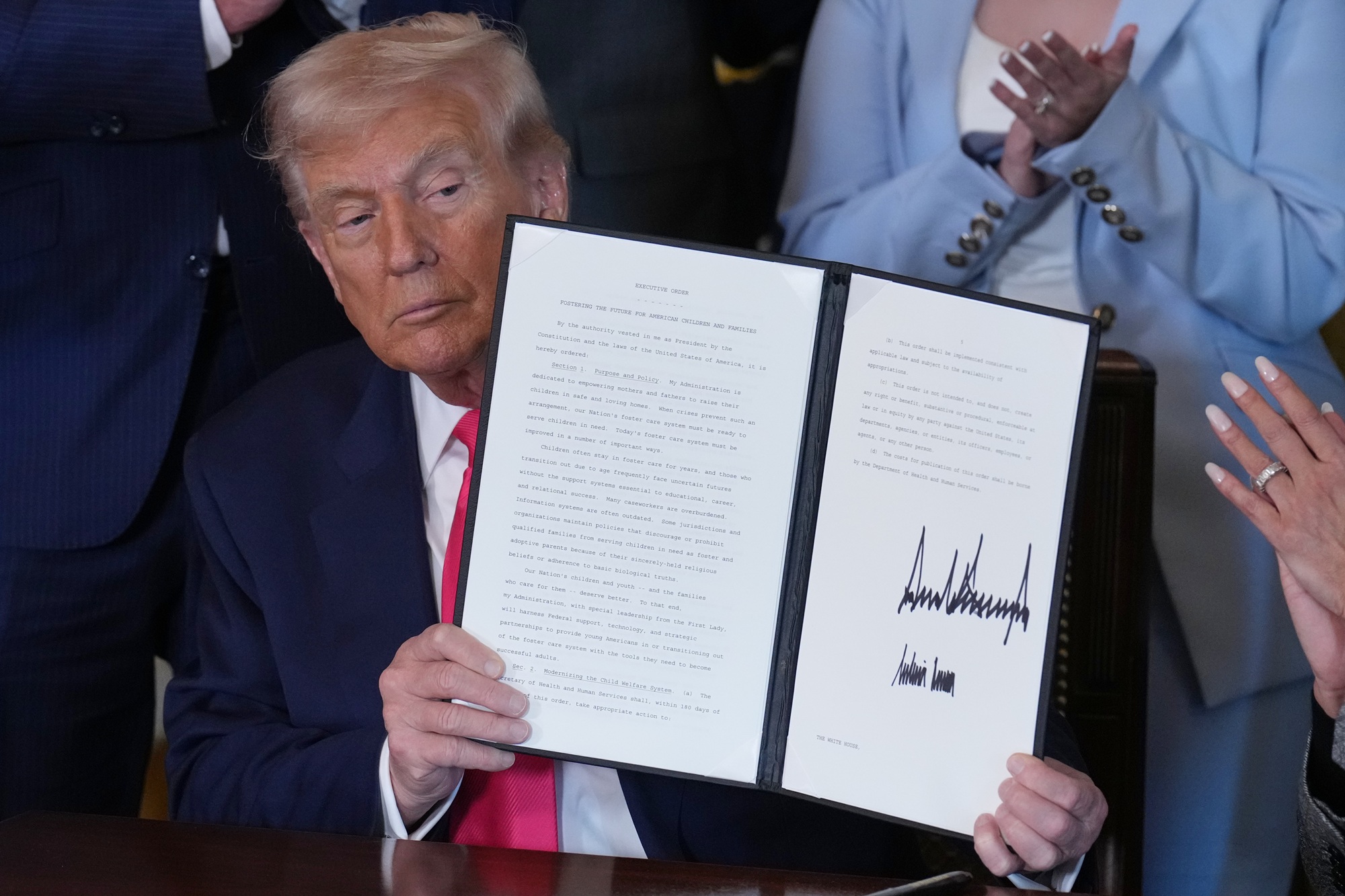
URGENT UPDATE: In a significant development, Big Tech is pushing for immunity from state regulations on artificial intelligence (AI) through an executive order proposed by the Trump administration. This move, which could reshape the regulatory landscape for AI, is gaining momentum as it resurfaces in the National Defense Authorization Act (NDAA), a key military policy bill.
This effort comes after a failed attempt to insert a ten-year moratorium on state AI regulations into a broader legislative package. The NDAA is now being leveraged to sidestep state-level oversight, a strategy supported by a coalition of lobbyists and tech executives aiming to eliminate constraints on their operations.
Why This Matters NOW: If successful, this executive order would effectively nullify state laws aimed at regulating AI, including crucial safeguards like the recently passed RAISE Act in New York, which mandates safety testing for AI models. With the tech industry already under scrutiny for its rapid expansion and questionable practices, this could lead to unchecked development and significant risks for consumers and workers alike.
The draft executive order outlines aggressive tactics, including the establishment of an AI Litigation Task Force at the Department of Justice. This task force would aim to challenge state laws perceived to violate the interstate commerce clause, potentially leading to lawsuits against states that attempt to regulate AI technologies. The goal is clear: shield Big Tech from local accountability while fostering an environment favorable to rapid, unregulated AI deployment.
In a politically charged atmosphere, this push is seen as a direct response to increasing public concern over AI safety and ethical implications. As Senate Democrats resist these moves, arguing for the necessity of regulatory frameworks, the Trump administration is doubling down, proposing federal measures that could stifle state-level initiatives.
Next Steps: The political fallout from these developments is likely to be significant. Tech lobbyists, already spending millions to influence legislation, are expected to ramp up their efforts. With a looming election cycle, the stakes are high. The executive order represents a pivotal moment in the ongoing struggle between regulation and corporate power, as tech firms prepare to allocate resources to combat any regulatory measures that threaten their interests.
As this situation unfolds, the implications for public safety, privacy, and the future of AI governance will be at the forefront of national discourse. Stakeholders, including consumers and state governments, must remain vigilant as these developments continue to evolve.
This urgent call to action is not just a political maneuver; it could redefine the landscape of technology governance in the United States. Share this article to keep others informed about the potential repercussions of these sweeping regulatory changes.