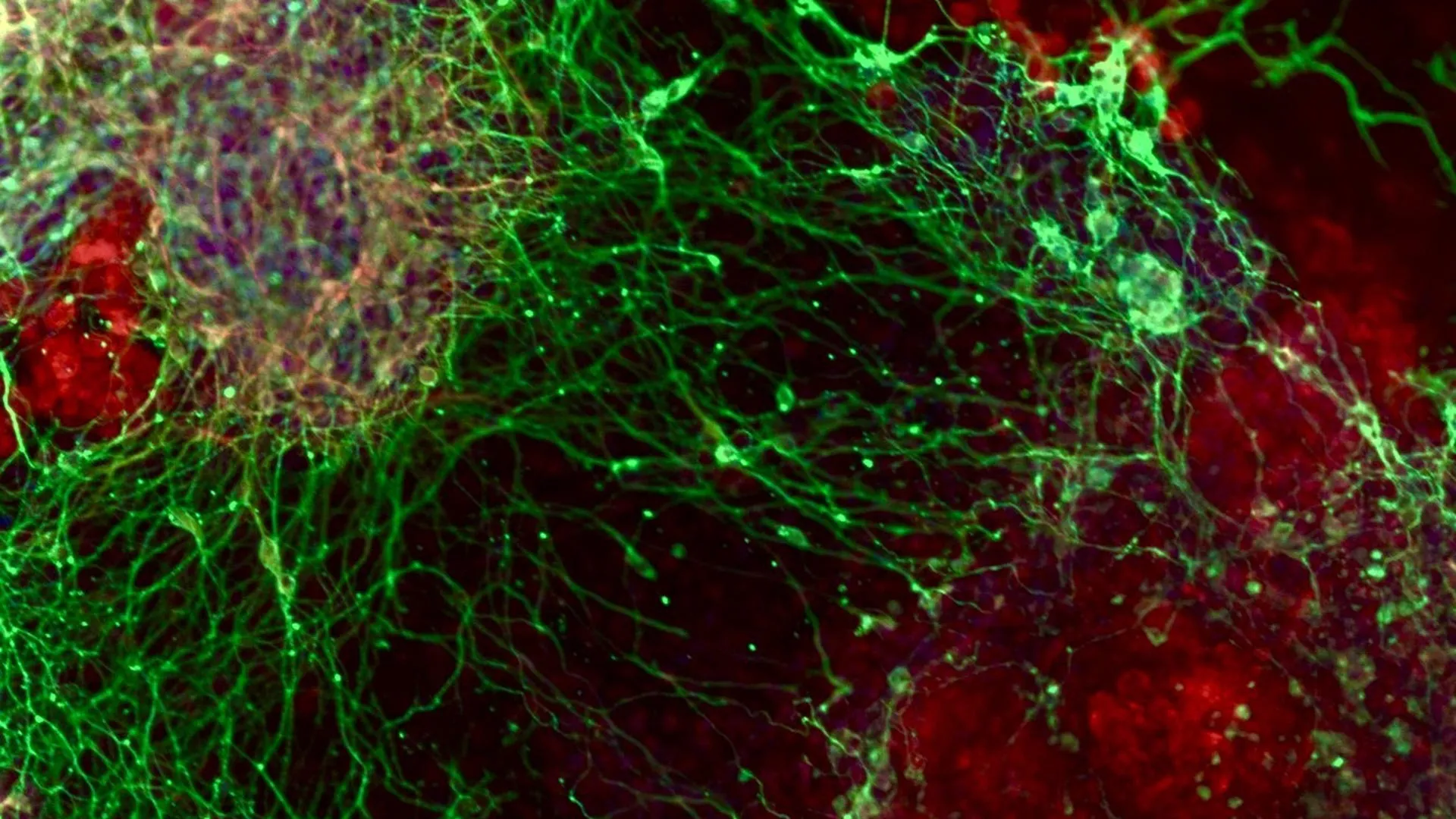
URGENT UPDATE: A groundbreaking study published in Nature Neuroscience on January 5, 2026, reveals critical insights into how brain cells are formed, uncovering a staggering 331 genes essential for this vital process. Led by Prof. Sagiv Shifman at The Hebrew University of Jerusalem, this research could reshape our understanding of neurodevelopmental disorders, including autism and developmental delay.
The team utilized advanced CRISPR gene-editing technology to systematically disable nearly 20,000 genes, identifying those necessary for embryonic stem cells to differentiate into neurons. This massive gene hunt not only pinpoints genes critical for brain development but also highlights the role of a newly discovered gene, PEDS1, linked to a previously unknown neurodevelopmental disorder in children.
The findings reveal that when PEDS1 is not functioning correctly, it significantly impairs brain growth and nerve cell formation. Genetic testing on two families with children showing severe developmental delays uncovered rare mutations in PEDS1, indicating its vital role in healthy brain development.
Prof. Shifman stated, “By mapping the differentiation of embryonic stem cells into neural cells, we can better understand brain development and identify new genes related to neurodevelopmental disorders.” This research not only provides a deeper understanding of genetic contributions to brain disorders but also opens doors for improved diagnosis and targeted treatments for affected families.
The team’s investigation further revealed trends in inheritance patterns related to neurodevelopmental conditions. They created an “essentiality map” demonstrating how specific genes are required at various stages of brain development, differentiating mechanisms related to autism from those linked to developmental delays.
Additionally, the researchers have launched an open online database, accessible to the global scientific community, to facilitate further research on the identified genes. This initiative, driven by PhD student Alana Amelan, aims to support ongoing efforts to explore neurodevelopmental disorders.
The implications of this study are profound, potentially guiding future research and treatments aimed at preventing and managing neurodevelopmental conditions. Researchers are now watching closely as these findings may lead to enhanced diagnostic tools and therapeutic strategies for conditions like autism and developmental delay.
As this story continues to develop, the scientific community is eager to explore the implications of these discoveries. Stay tuned for more updates on the transformative impact of this research on brain development and disorders.