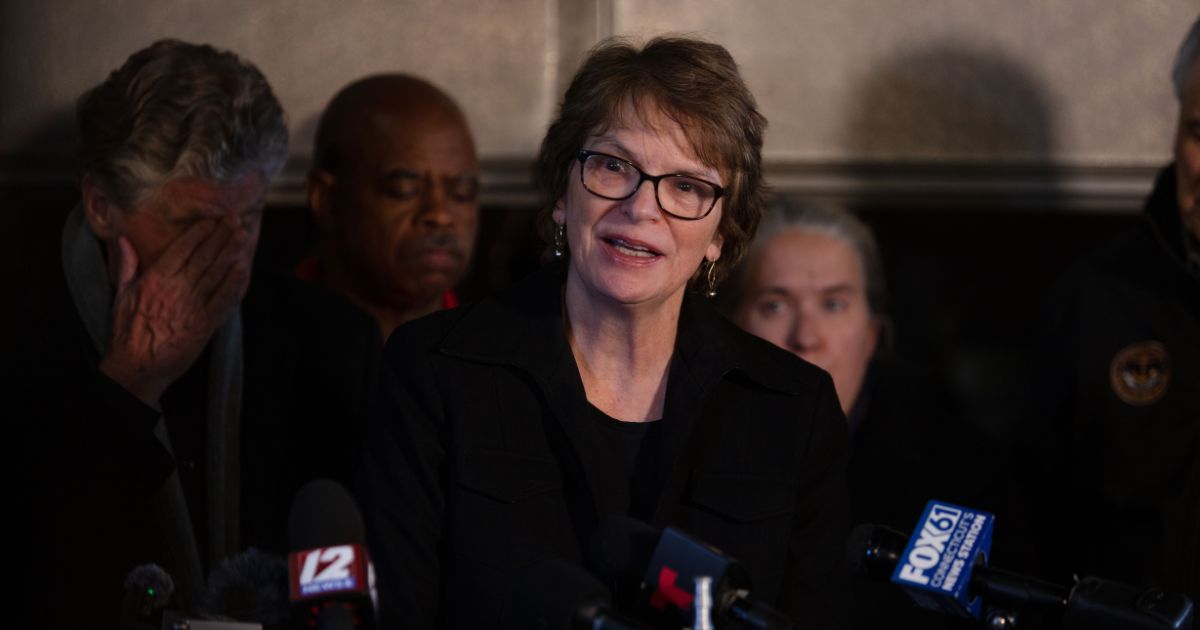
UPDATE: Brown University President Christina Paxson faced intense scrutiny during a press conference earlier today following the tragic shooting deaths of two students over the weekend. The campus has come under fire for its shocking security failures, with questions intensifying over the absence of surveillance cameras in critical areas.
In a tense exchange, a reporter confronted Paxson about the lack of security measures that allowed the alleged gunman to roam free for several days before his capture on Thursday. “You didn’t have cameras in that building. Just say it, so we can get this over with,” the journalist urged, highlighting the profound implications of the security lapses at an institution with an $8 billion endowment.
Authorities confirmed that the absence of video surveillance in the building where the shootings occurred has raised alarms about public safety on campus. The reporter emphasized that video evidence from neighboring properties was crucial in the investigation, yet none existed from the very site of the tragedy. “Video played a big role in this case — but not the video from the building where [the gunman] walked in freely,” he stated.
Paxson responded defensively, claiming that the lack of cameras did not contribute to the incident. This assertion has sparked outrage among students and community members, who feel let down by the university’s security protocols. “The campus is extremely open,” said a junior, underscoring the vulnerability felt by students. “Most classrooms and apartment buildings don’t require an ID to get in.”
The controversy has further escalated as questions arise regarding the university’s decision to operate without adequate security measures. Critics have alleged that Brown’s security practices resemble “open borders,” allowing anyone, including potentially dangerous individuals, to access campus grounds. Mayor of Providence, Brett Smiley, noted that Brown has “no gates,” reinforcing fears about the safety of students paying nearly $100,000 a year to attend.
As the manhunt continues and the community grapples with grief, the university’s leadership faces mounting pressure to address these critical security issues. Many are calling for immediate change to prevent further tragedies and ensure the safety of all students.
Next steps for Brown University include a thorough review of campus security policies and potential implementation of surveillance systems to protect its students. The urgency of these discussions cannot be overstated as the community seeks reassurance in the wake of violence.
As this story develops, the focus remains on how Brown University will respond to these pressing concerns and what measures will be put in place to safeguard its students in the future.