UPDATE: Just days after the tragic shooting at Brown University on November 15, 2023, experts are advocating for a revolutionary approach to healing known as dignity neuroscience. This method aims to bridge human rights with brain science, offering a vital pathway for individuals grappling with trauma.
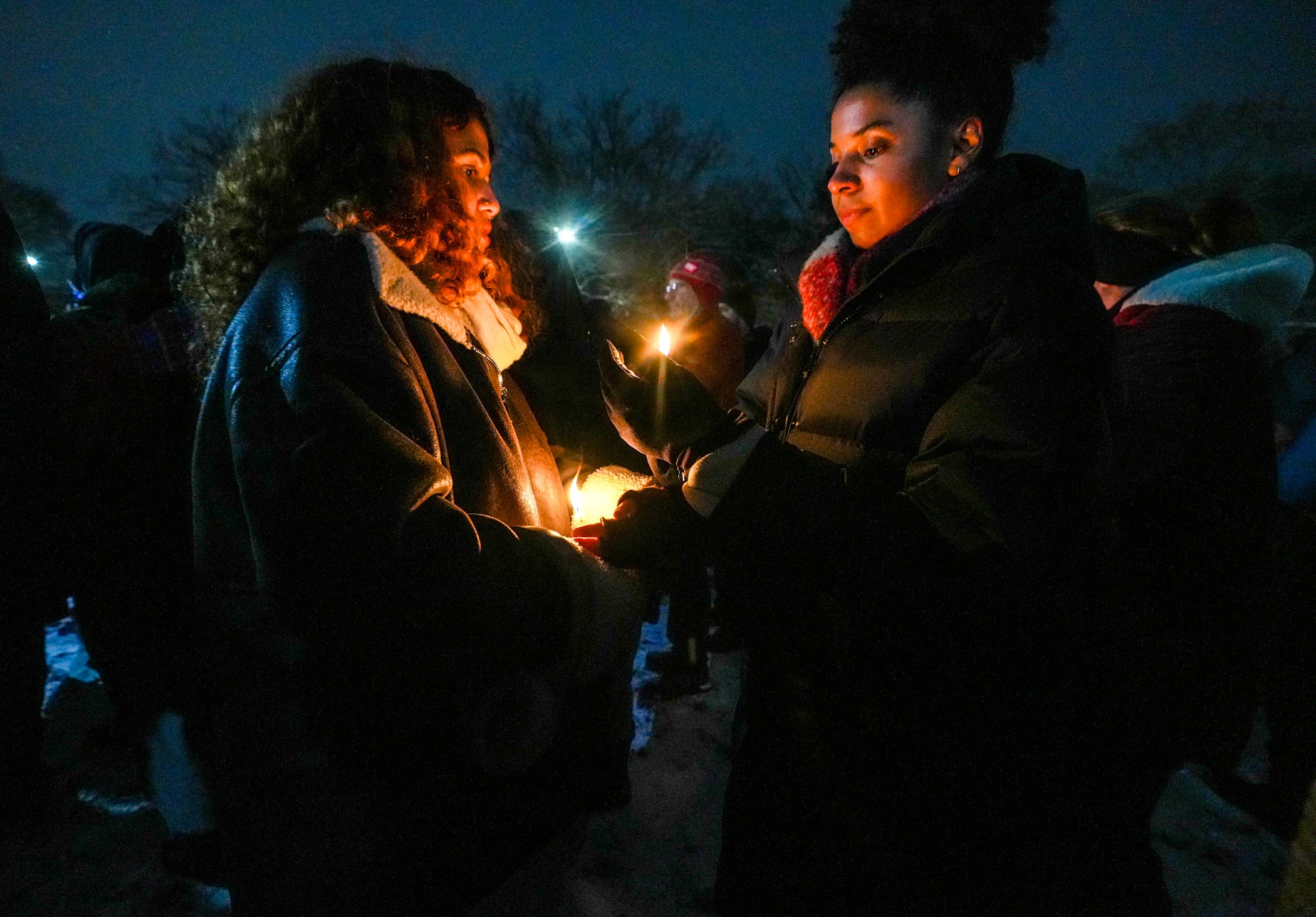
The recent shooting has left the community in shock, prompting immediate discussions on how to reclaim a sense of agency and belonging. Authorities confirm that the incident has not only affected the victims but has rippled through the entire university, highlighting an urgent need for effective mental health strategies.
Dr. Samantha Reyes, a leading researcher in dignity neuroscience, explains, “Our brains are wired to seek connection and belonging. After trauma, it’s critical that we restore this sense of community.” This innovative approach emphasizes the importance of acknowledging human rights as a core aspect of mental health recovery.
As the Brown community seeks to heal, institutions and mental health professionals are urged to adopt these findings. The urgency of the situation cannot be overstated; experts stress that immediate intervention is crucial to prevent long-term psychological effects.
Local authorities are working to provide resources and support to those impacted by the shooting. In the coming weeks, workshops and counseling sessions will be made available, focusing on dignity neuroscience principles. These resources aim to empower individuals to reclaim their lives and foster a supportive environment.
The conversation around trauma recovery is evolving. Advocates are calling on universities nationwide to implement dignity neuroscience practices, recognizing the profound impact of trauma on mental health. The goal is clear: to create a safe space for students and staff to process their experiences and rebuild their lives.
As this story develops, communities across the nation are watching closely. The implications of adopting dignity neuroscience extend beyond Brown University; they could set a precedent for how institutions address trauma and mental health crises moving forward.
Stay tuned for more updates on this urgent issue as experts continue to share insights and strategies for healing in the aftermath of tragedy.