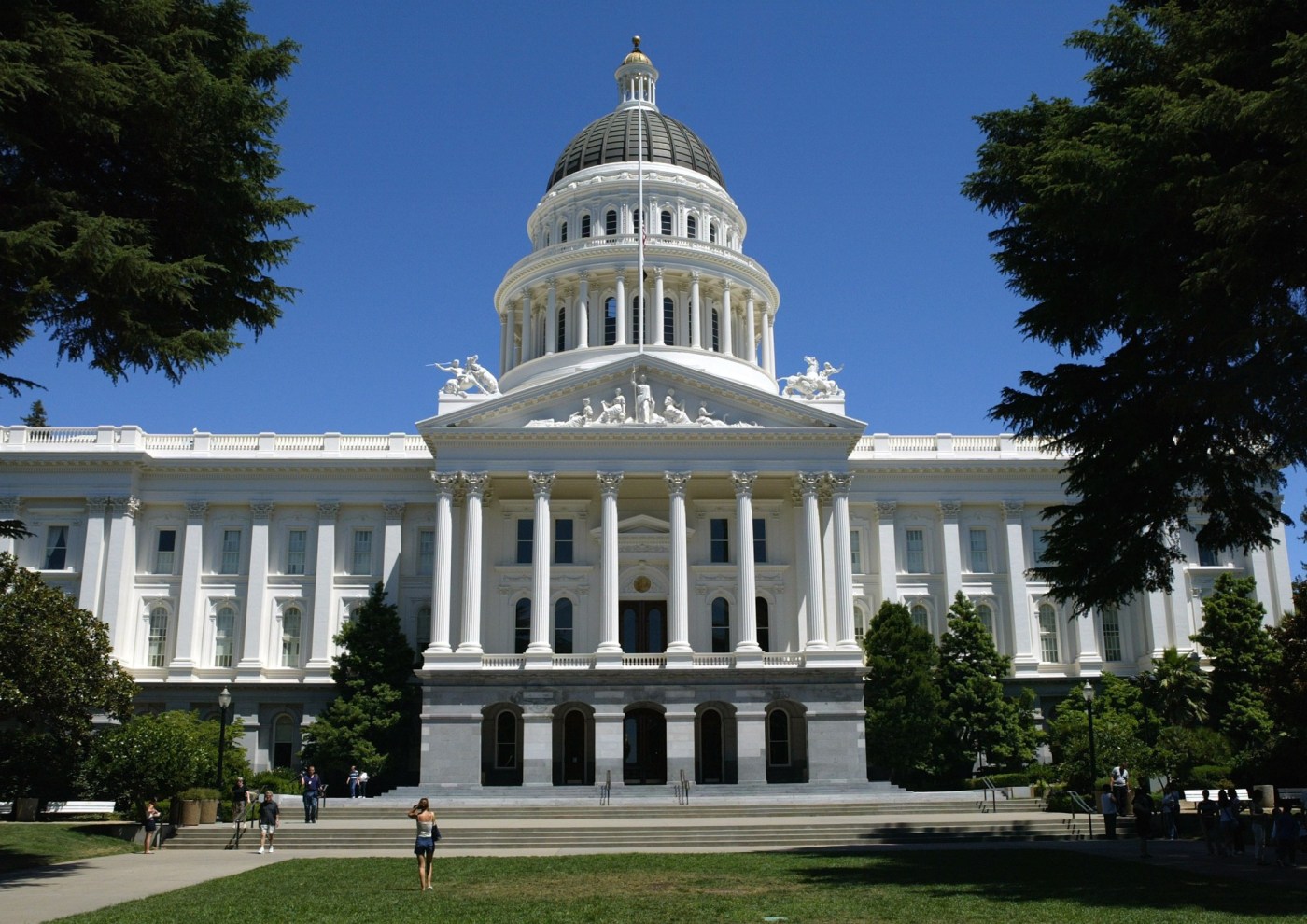
UPDATE: Starting in 2026, California will implement sweeping new laws addressing critical issues such as antisemitism, artificial intelligence regulations, and protections for crime victims. These changes are poised to significantly impact residents and businesses alike, shaping the state’s social and economic landscape.
California Legislative Highlights: In a landmark decision, the California Legislature delivered 917 bills to Gov. Gavin Newsom in 2025, with 794 bills signed and 123 vetoed. The governor’s veto rate stood at 13.4%, slightly below his average. Among the significant measures set to take effect are laws aimed at promoting inclusivity, protecting workers, and enhancing public safety.
Antisemitism Education: A critical new law, authored by Assemblymembers Rick Chavez Zbur and Dawn Addis, will establish a state Office of Civil Rights in schools. This office will appoint a coordinator for antisemitism education, aiming to equip teachers and school personnel to identify and prevent antisemitism. Starting from September 2027, this coordinator will also track antisemitic incidents in schools, prompting investigations when necessary. The law has sparked intense debate, balancing the need for education against concerns about free speech.
AI Safety Regulations: California will become the first state to enforce strict regulations on artificial intelligence under the Transparency in Frontier Artificial Intelligence Act (SB 53), championed by Sen. Scott Wiener. This law mandates major AI companies to publicly disclose safety protocols and report critical incidents like cyberattacks. It offers whistleblower protections and establishes a public cloud compute cluster known as CalCompute, aimed at supporting startups and researchers in the AI field.
Victims’ Rights: A new provision will allow survivors of domestic and sexual violence to take time off work for court proceedings related to their cases, without fear of retaliation from employers. Known as the Strengthening Safe Leave Act (AB 406), this law aims to provide critical support for victims navigating the legal system.
Diwali Holiday Recognition: California has officially recognized Diwali as a state holiday, a move that received significant bipartisan support. This recognition allows state employees to take paid time off and encourages schools to honor the holiday, highlighting its importance to the South Asian community. Assemblymember Ash Kalra emphasized that this designation fosters cultural understanding across the state.
Employment Protections: New laws will prevent employers from imposing unfair Training Repayment Agreement Provisions (TRAPs), which required employees to pay back training costs if they left before a certain period. Under the new regulations, employers violating this rule will face penalties of up to $5,000 per worker, empowering employees to choose better working conditions without fear of financial repercussions.
Name Accuracy Act: Starting July 1, Californians will have the right to amend vital records to include diacritical marks in their names. This change, spearheaded by Assemblymember Blanca Pacheco, will affirm cultural identity and dignity for many residents.
Rental Requirements: New rental laws will require landlords to provide essential appliances such as stoves and refrigerators in rental units, easing the financial burden on tenants who often face high living costs. This move is expected to save residents thousands of dollars, as highlighted by Assemblymember Tina McKinnor.
Next Steps: As California gears up for these transformative laws, residents and businesses should prepare for the changes ahead. The implications of these laws will unfold in the coming months, with public discussions expected to continue as implementation dates approach.
Stay tuned for more updates on how these new regulations will shape California’s future. This is a developing story that will have lasting effects on the state and its inhabitants.