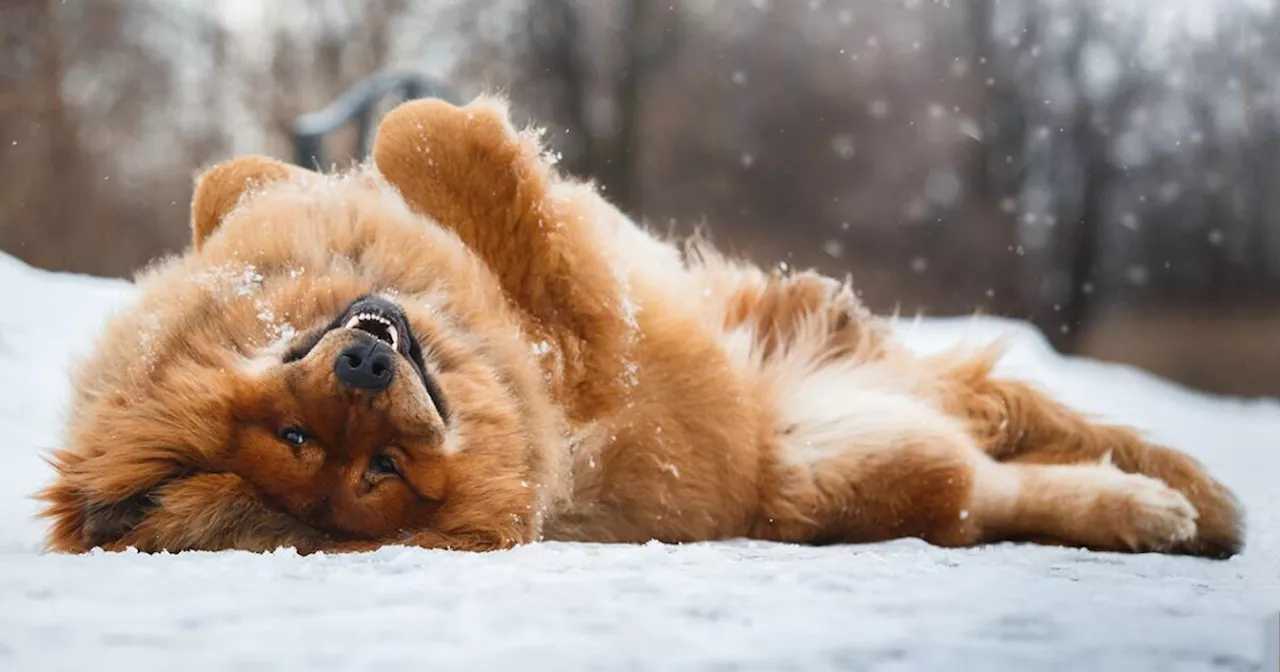
URGENT UPDATE: If you’re seeking a winter companion, now is the time to explore dog breeds specifically designed to thrive in snow and frigid temperatures. As winter approaches, families and individuals are urged to discover the best cold-weather dog breeds that not only endure but revel in the chill.
These breeds—like the Siberian Husky, Saint Bernard, and Alaskan Malamute—are equipped with thick double coats and robust frames, making them ideal for snowy adventures. Their natural insulation helps them withstand freezing temperatures and icy winds, ensuring they are ready to join you on outdoor excursions.
Why does this matter? With winter just around the corner, ensuring you select the right breed can significantly impact your winter activities and overall enjoyment. Cold-weather dogs were historically bred for survival in harsh climates, making them ideal companions for those who love snow-covered landscapes.
Among the top contenders for winter-ready pups are:
– **Siberian Husky**: Known for their endurance and mischievous personality, these dogs excel in snowy environments and thrive on activity.
– **Saint Bernard**: With a gentle giant demeanor, they provide warmth and companionship, originally bred for rescue in the Swiss Alps.
– **Alaskan Malamute**: Their immense strength and thick fur make them perfect for hauling heavy loads in deep snow.
Additionally, breeds like the Great Pyrenees and Newfoundlands offer unique qualities, such as protective instincts and excellent swimming abilities, which make them reliable partners in any winter scenario.
As you prepare for winter, consider these care tips for your cold-weather canine companions:
1. **Regular Grooming**: Maintain their double coats to ensure insulation remains effective.
2. **Paw Care**: Check for snow and ice build-up after walks to prevent irritation.
3. **Winter Gear**: Invest in boots and jackets if your dog has a lighter coat to keep them warm in milder temperatures.
It’s crucial to note that young dogs will not develop a full insulating coat until they reach maturity, typically between six months to a year and a half. They may require extra care during their transitional phases to avoid cold exposure.
Moreover, training is essential. Basic commands and socialization help keep dogs safe during winter outings, especially in unpredictable snowy conditions. Positive reinforcement techniques are recommended for breeds like the Husky, which thrive on mental stimulation.
For families eager to embrace winter activities, choosing the right dog can enhance your experiences in the snow. Whether it’s a playful Samoyed with its cheerful disposition or a loyal Tibetan Mastiff known for its protective nature, there is a perfect cold-weather breed for every lifestyle.
Next Steps: As winter approaches, dog lovers are encouraged to research and connect with breeders or shelters to find their ideal snow-loving companion. Share this news with fellow dog enthusiasts and prepare to embark on unforgettable winter adventures with a new furry friend!