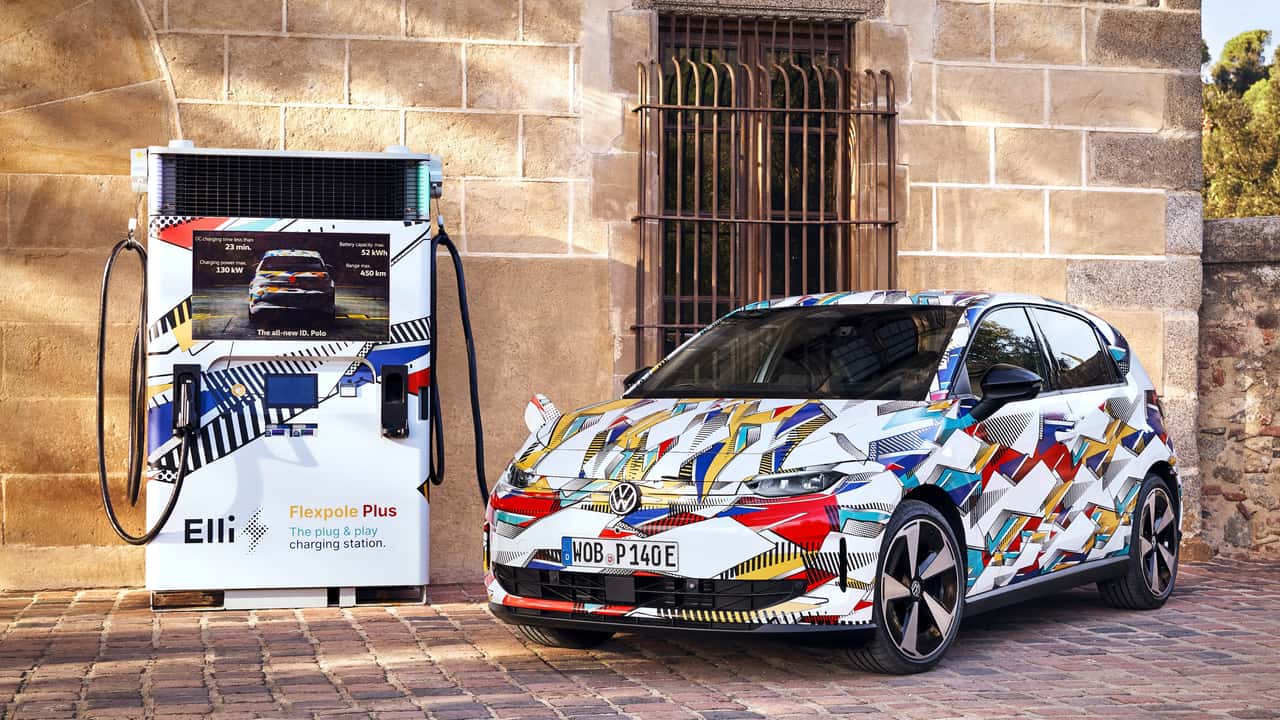
BREAKING: The European Union has just announced a groundbreaking initiative to support electric vehicle (EV) adoption by creating a new class of small electric cars, known as “M1E.” This development comes as the EU aims to bolster its commitment to electric mobility while adjusting its emissions targets for combustion-engine vehicles beyond 2035.
Under the new “Automotive Package,” the M1E class will include cars that measure no more than 4.2 meters (165.3 inches) in length. Automakers will receive substantial incentives through “super credits,” allowing M1E-certified vehicles to count as 1.3 toward their CO2 compliance targets, offering a 30 percent advantage. This measure is designed to encourage the production of small, affordable EVs, critical for a successful transition to electric mobility.
This new category, which is set to be valid for 10 years, provides stability for manufacturers looking to invest in small EV models. The EU believes this will simplify the legal framework for member states, paving the way for subsidies, tax breaks, and other incentives for consumers. Owners of M1E vehicles could also enjoy benefits such as road toll exemptions and preferential access to specific lanes or parking.
Several automakers are already positioned to capitalize on this new class. Current models that qualify include the Renault Twingo, Volkswagen ID. Polo, and Stellantis vehicles like the Citroën e-C3 and Peugeot E-208. However, vehicles produced outside the EU, such as the Hyundai Inster and Mini Cooper, will not qualify for the M1E classification, ensuring that the initiative supports local job creation.
The M1E category also serves a dual purpose by allowing manufacturers to offset emissions from their combustion-engine vehicles with the super credits earned from M1E models. This could potentially extend the sale of combustion-engine cars longer than anticipated, especially as the EU reconsiders its hard ban on new combustion-engine vehicles by 2035.
Additionally, automakers are mandated to cut their CO2 emissions by 90 percent compared to a 2021 baseline by 2035. The final 10 percent of emissions will need to be offset through the use of e-fuels, biofuels, and low-carbon materials produced within the EU.
To ease compliance, the EU will also allow manufacturers to “bank and borrow” emissions credits over a three-year period, extending this mechanism through 2029. This flexibility aims to assist manufacturers in meeting intermediate emissions targets as regulations become increasingly stringent.
Latest figures from the European Automobile Manufacturers’ Association (ACEA) reveal that 16.4 percent of new cars sold in the EU during the first ten months of the year were fully electric. This percentage rises to 18.3 percent when including the UK and other European countries.
As the EU moves forward with these initiatives, they are clearly steps toward a greener future, even as some critics argue that these measures are long overdue. With the introduction of the M1E category, the EU is signaling a pivotal shift in its automotive landscape, one that emphasizes the importance of small, efficient electric vehicles in the fight against climate change.
Stay tuned for more updates as this developing story unfolds and impacts the automotive industry across Europe.