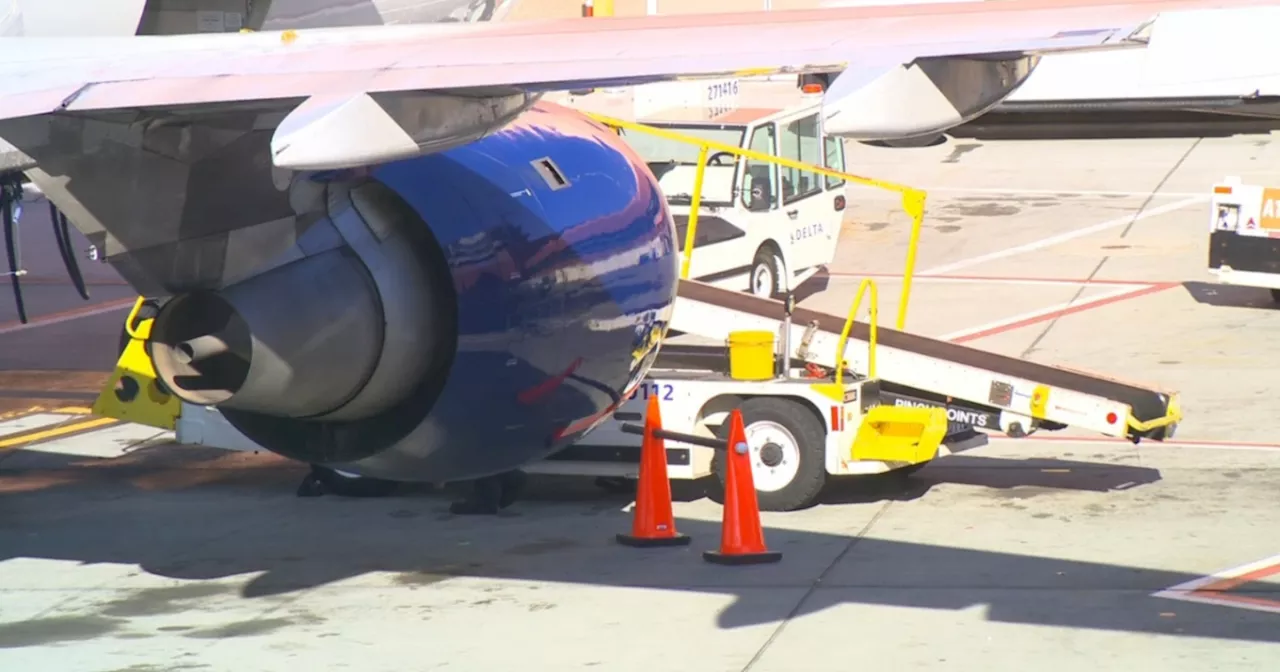
UPDATE: The family of Kyler Efinger, a Park City man who tragically died after crawling into the engine of a plane at Salt Lake City International Airport, has filed a lawsuit against the city. The incident, which occurred on January 1, 2024, has raised serious concerns over airport safety and emergency response protocols.
The lawsuit alleges that airport officials failed to adequately assist in the search for Efinger and did not communicate effectively with pilots regarding the emergency, leading to his untimely death. The family states, “The notion that an airport was so dangerously designed and operated… generated international attention and shock.” They are seeking $300,000 in damages and attorney’s fees, emphasizing the need for accountability to prevent similar tragedies in the future.
According to court documents, Efinger was at the airport preparing to board a Delta flight to Denver to visit his sick grandfather. He had a history of bipolar disorder and was experiencing a manic episode when he left his gate around 9:00 p.m.. Surveillance footage reportedly shows him acting disoriented, including running against foot traffic and entering a store where he displayed unusual behavior.
Eyewitness accounts from airport staff describe Efinger shouting and agitated, yet the lawsuit claims that no appropriate measures were taken to intervene. Shortly after 9:54 p.m., he accessed an emergency exit door near Gate A4, which lacked proper security features. This allowed him to exit the terminal and access the runway.
As Efinger made his way onto the tarmac, he was seen by pilots and airport staff, yet critical communication failures among officials delayed the response. By 10:07 p.m., he approached an Airbus A220-100 aircraft, where he climbed into the running engine, leading to his tragic death. The pilot only stopped the aircraft’s engines upon seeing Efinger on the runway.
The lawsuit highlights the city’s alleged negligence in maintaining safe airport premises and the poor training of staff in handling emergency situations. The Efinger family’s legal team argues that better communication and safety measures could have prevented this tragedy.
This case draws attention not only to individual loss but also to systemic failures within public safety protocols at airports. As the family seeks justice, the implications of this lawsuit may resonate widely, prompting a reevaluation of safety measures in public transportation hubs.
Authorities and airport officials are expected to respond to the lawsuit in the coming weeks. As this story develops, the focus will be on how the city and airport will address safety concerns to prevent future incidents.