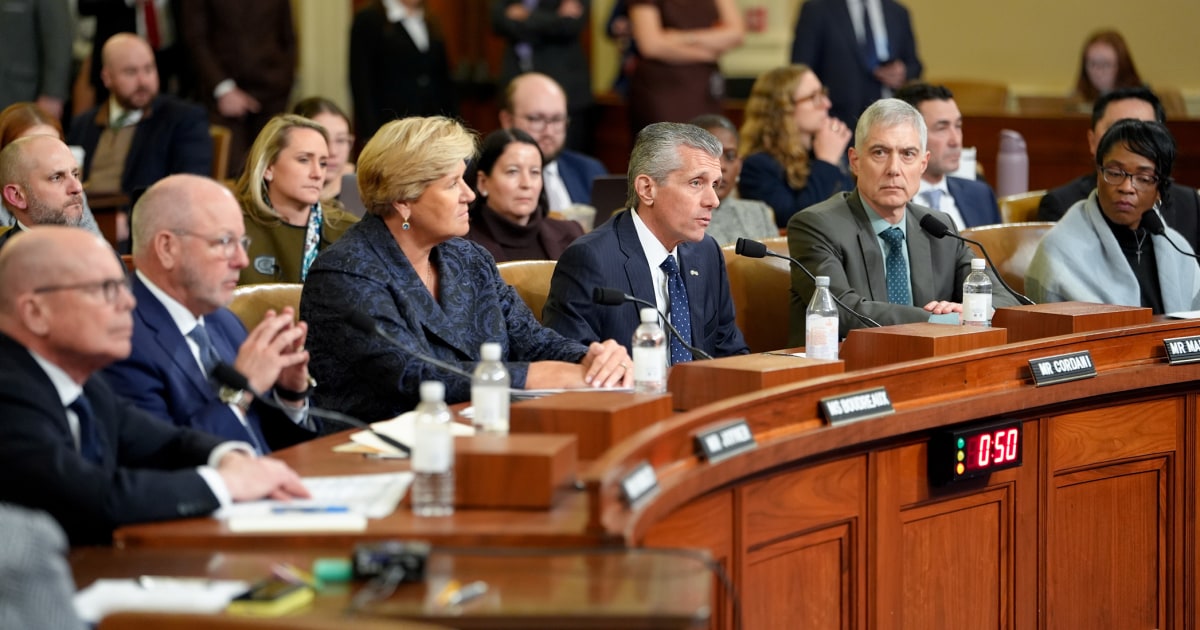
Lawmakers from both parties held health insurance CEOs accountable during back-to-back hearings on March 14, 2024, scrutinizing premium increases, prior authorization rules, and claim denials. The hearings, conducted by the House Energy and Commerce Committee and the Ways and Means Committee, aimed to address the impact of these issues on patients across the United States.
The CEOs of major health insurance companies, including UnitedHealth Group, CVS Health Group, Cigna Health Group, Elevance Health, and Ascendiun, participated in the hearings as health insurance premiums continue to surge for millions of Americans. Many individuals with insurance through the Affordable Care Act have experienced significant hikes in costs, with some premiums doubling or tripling due to the lapse of enhanced subsidies at the end of 2025. Insurers attribute these increases to the climbing expenses associated with prescription drugs and hospital care.
Representative Debbie Dingell, a Democrat from Michigan, highlighted the disconnect between rising premiums and the record profits reported by these companies. “Millions of Americans across the nation have seen their health care premiums skyrocket,” she stated. In agreement, Representative Jodey Arrington, a Republican from Texas, expressed concern over the financial strain on families, calling it “a drag on our economy and a threat to my children’s future.”
The executives defended their pricing strategies, arguing that the rising premiums are reflective of overall higher healthcare costs. They emphasized their commitment to making healthcare more affordable, with David Cordani, CEO of Cigna, stating, “We work every day to lower the cost of health care.”
Concerns Over Pharmacy Benefits Managers
During the hearings, Representatives Alexandria Ocasio-Cortez from New York and John Joyce from Pennsylvania focused on the role of pharmacy benefits managers (PBMs) in the healthcare system. These middlemen manage which drugs are covered by insurance and hold significant influence over prescription prices. For instance, CVS Health owns both Aetna, an insurance provider, and Caremark, its PBM, while UnitedHealth Group has Optum, which also employs doctors.
Ocasio-Cortez pointed out that Caremark manages approximately 30% of all prescriptions filled in the U.S., questioning the concentration of market power. In response, David Joyner, CEO of CVS Health, described their model as beneficial for consumers. Ocasio-Cortez retorted, “I think it works very well for CVS.”
The issue of executive compensation also arose, with Representative Buddy Carter from Georgia questioning Joyner about his reported compensation of $41 million for 2024. The disparity between executive pay and consumer costs has drawn criticism from lawmakers who argue that such sums are unjustifiable in the current healthcare climate.
Accountability and Future Hearings
Several lawmakers raised concerns about specific instances where constituents were denied coverage. Representative Kim Schrier from Washington shared the story of a constituent denied hospitalization by UnitedHealth Group following a stroke, calling it “unconscionable and shameful.” This sentiment reflects a broader frustration among the public regarding insurance companies’ practices.
These hearings are expected to be the first in a series examining the “root causes” of escalating healthcare costs. While criticism directed towards insurance companies was bipartisan, lawmakers also exchanged blame for the crisis. Republicans criticized the Affordable Care Act for its role in rising prices, with Representative Jason Smith, chairman of the Ways and Means Committee, stating, “Obamacare prices have only gone up, not down.” In contrast, Democrats pointed to Republican inaction on extending subsidies that would alleviate financial burdens.
Representative Frank Pallone, Jr., the ranking member of the Energy and Commerce Committee, firmly stated, “Congressional Republicans and President Donald Trump are to blame for the healthcare affordability crisis Americans are experiencing today.”
These discussions come in the wake of Trump’s announcement of a new health care plan that has faced criticism for its lack of specifics. The hearings signal a growing urgency among lawmakers to address the healthcare affordability crisis, as millions of Americans continue to feel the impact of rising insurance costs.