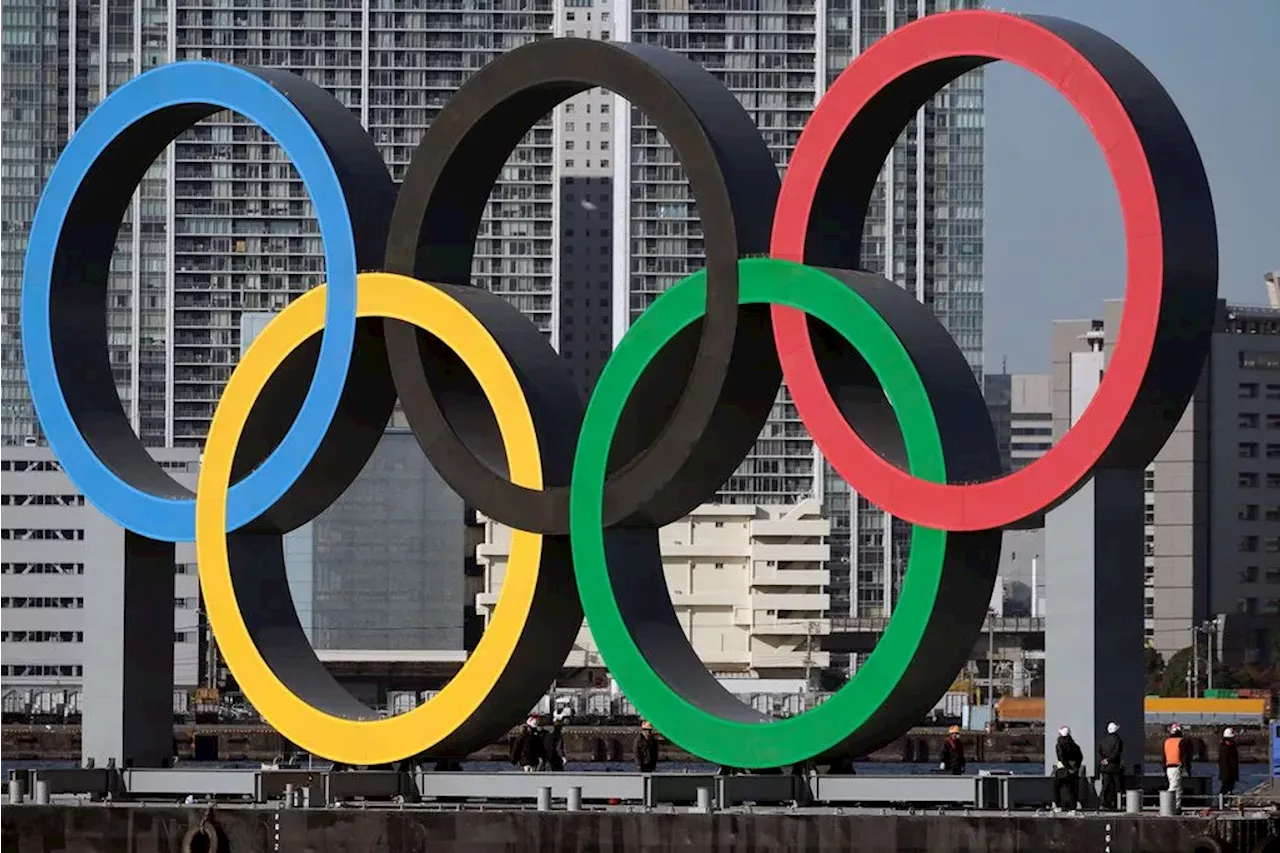
BREAKING NEWS: The International Olympic Committee (IOC) is reportedly on the verge of implementing a ban on transgender women from competing in women’s sports. This urgent update comes as the IOC faces scrutiny over the fairness of allowing biological men to compete against women, with a formal announcement expected early next year.
Sources reveal that during a recent IOC meeting, a comprehensive scientific analysis was presented, highlighting the significant physical advantages that male bodies possess over female bodies. One insider described the presentation as “very scientific, factual and unemotional,” emphasizing the clear evidence surrounding these disparities.
The timing of this potential ban is critical. Activists have increasingly questioned the fairness of allowing transgender women to compete against cisgender women, particularly after troubling incidents during the 2024 Paris Olympics. Notably, athletes like Imane Khelif and Lin Yu-ting, who were previously disqualified for failing genetic tests, dominated their divisions, raising concerns about safety and fairness in women’s sports.
The IOC’s decision could significantly impact the landscape of women’s athletics. A report indicates that female rugby players face a 20%-30% higher risk of injury when tackled by biological males, further underscoring the urgency of the IOC’s deliberations. The data demonstrates that men can be 25%-50% stronger, 30% more powerful, and 15% faster than their female counterparts.
As the IOC grapples with these findings, the potential for a ban aligns with long-standing practices in the Olympics, which have recognized biological differences in sports since women first competed in 1900. The conversation surrounding gender and athletics is intensifying, as many call for a return to a more scientifically grounded approach to competition.
In recent years, high-profile cases such as that of Caster Semenya, a runner with a 46 XY disorder of sexual development, have highlighted the complexities of gender identity in sports. Semenya’s past victories and subsequent exclusion from competition due to hormonal regulations have left a lasting impact on the discourse.
The IOC’s acknowledgment of the physical differences between genders could mark a pivotal shift in the sports community. With pressure mounting from various stakeholders, including athletes and governing bodies, the committee has a crucial opportunity to establish a fair and scientifically supported framework for competition.
As this story unfolds, the global sports community watches closely. The IOC’s decision could set precedents that resonate far beyond Olympic venues, influencing policies in sports organizations worldwide. The implications for athletes, particularly in women’s sports, are profound and immediate.
Stay tuned for updates as we continue to monitor this developing story. The IOC’s forthcoming actions will not only affect current athletes but could redefine the future of competitive sports.