Iran and the United States intensified their military posturing on July 8, 2023, as nuclear negotiations remain precarious. The Iranian government conducted joint military exercises with Russia in the Gulf of Oman, while the USS Gerald R. Ford aircraft carrier moved closer to the Mediterranean Sea. These developments highlight escalating tensions between the two nations amid a backdrop of ongoing unrest in Iran and stalled diplomatic efforts.
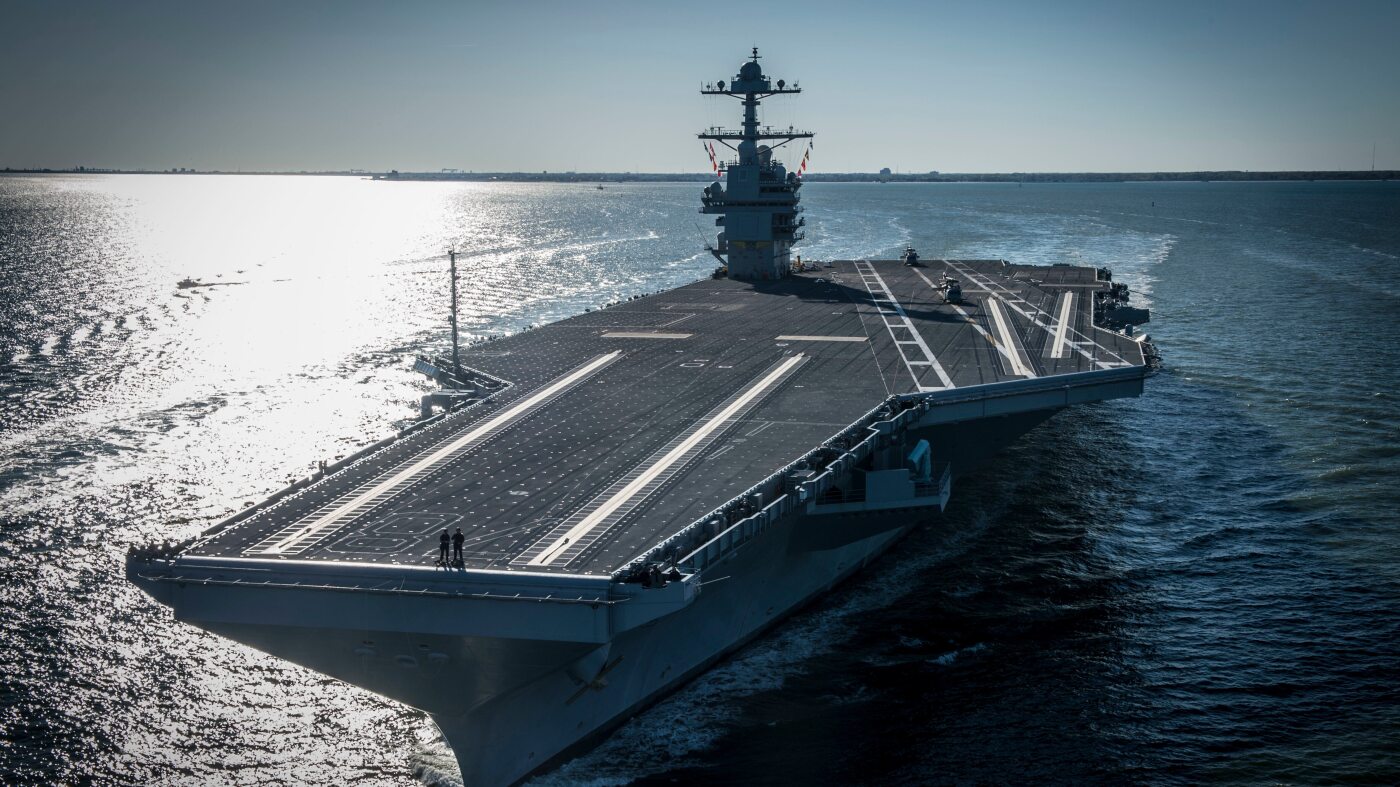
The Iranian military drills included live-fire exercises in the Strait of Hormuz, a crucial waterway through which approximately 20% of the world’s oil supply is transported. This demonstration of military capability is viewed as a signal to the United States and its allies regarding Iran’s readiness to defend its interests in the region. The recent arrival of the USS Gerald R. Ford carrier group, currently off the coast of Morocco, allows the United States to bolster its military presence, potentially providing additional air and missile defense capabilities to protect allies such as Israel and Jordan.
Tensions have been exacerbated by statements from U.S. President Donald Trump, who hinted at the possibility of using bases in Diego Garcia and Fairford should negotiations fail. Trump expressed this stance on his platform, Truth Social, leveraging the situation to pressure the United Kingdom regarding its colonial interests in the Chagos Islands.
Iran’s Domestic Unrest and Military Drills
In addition to military maneuvers, Iran faces significant internal strife following a crackdown on protesters. Recent memorials commemorating the deceased from the protests have seen increasing anti-government sentiment. Mourners gathered at Behesht-e Zahra cemetery in Tehran, marking a traditional 40-day mourning period, with many chanting against the Iranian regime. These gatherings have occurred despite warnings from authorities aimed at suppressing dissent.
Protests initially erupted in December 2022, driven by economic challenges and the collapse of the national currency, the rial. The situation escalated sharply in January 2023, following calls from Iran’s exiled crown prince, Reza Pahlavi. Official government reports claim that 3,117 individuals lost their lives during the unrest; however, the Human Rights Activists News Agency, based in the United States, estimates the death toll may exceed 7,000, with fears of even higher casualties.
The military exercises conducted by Iran and Russia are described by Iranian state media as aimed at enhancing operational coordination and sharing military experiences. While China has participated in previous iterations of these drills, it was not noted as a participant in the latest exercises. The presence of a Russian corvette in Bandar Abbas further underscores the collaboration between Tehran and Moscow.
U.S. Military Strategy in the Region
The strategic positioning of the USS Gerald R. Ford serves multiple purposes, allowing American forces to project power and respond swiftly to any potential conflicts. The carrier group, consisting of guided-missile destroyers, has been deployed in response to perceived threats from Iran, especially following the outbreak of hostilities during the Israel-Hamas conflict.
As the situation unfolds, both nations appear to remain locked in a delicate balance of power. The U.S. continues to exercise military readiness while aiming to restart negotiations on Iran’s nuclear program, which have been stalled in recent months. The results of these military maneuvers and ongoing protests in Iran will likely influence the future of diplomatic relations between the two nations.
The international community watches closely as developments in this volatile region could have far-reaching implications for global stability and security.