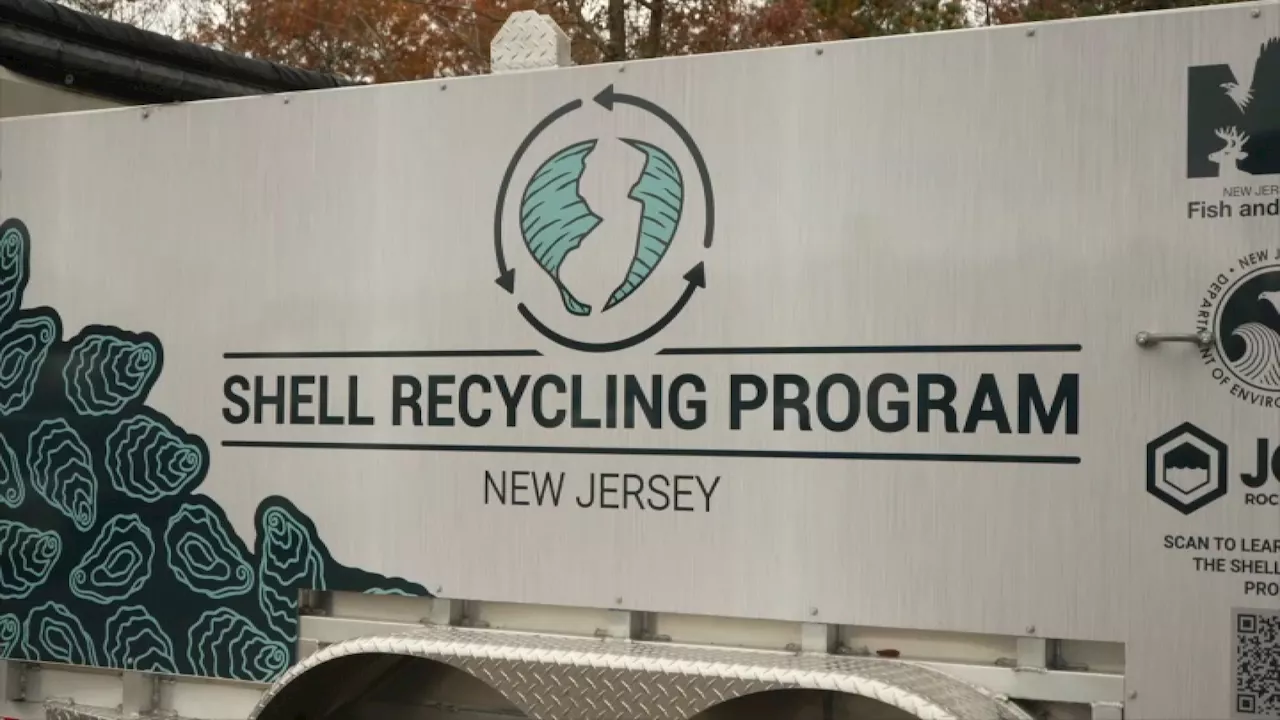
UPDATE: Restaurants along the Jersey Shore are urgently recycling oyster and clam shells to build and enhance coastal reefs, a vital initiative for marine life that just launched in partnership with Sysco. This program is not only crucial for improving water quality but also for combating erosion, especially as climate change intensifies storm patterns.
More than 30 restaurants across Ocean, Atlantic, and Cape May Counties are already participating in this groundbreaking recycling effort. Discarded shells that would typically end up in landfills are now being collected and repurposed to create habitats that support marine ecosystems. The initiative aims to expand significantly, with Sysco’s Area President John Yates stating, “We’re going to the restaurants already. So this is a zero cost to the customer, zero cost to us.”
However, this positive development comes amid troubling news for other reef enhancement projects in the state. LaTourette has confirmed that several initiatives run by the US Army Corps of Engineers are currently suspended due to the federal government shutdown. “That is an ongoing disruption that we are experiencing right now today,” LaTourette remarked, highlighting the urgent need for environmental infrastructure projects to proceed without delays.
As coastal erosion continues to threaten shorelines, the shell recycling program stands out as a beacon of hope for both the local economy and the environment. The recycled shells help reduce the impact of destructive waves during storms, thereby protecting homes and businesses in the area.
The Jersey Shore initiative exemplifies the community’s commitment to sustainability and marine conservation, showcasing how local businesses can make a significant environmental impact. With plans to widen the program, even more restaurants are expected to join in the coming months, creating a ripple effect that could benefit the entire region.
What’s next? Keep an eye on the expansion of this shell recycling program and its potential to inspire similar initiatives across the nation. As communities grapple with the effects of climate change, local efforts like these are increasingly important.
Stay tuned for further updates as the situation develops.