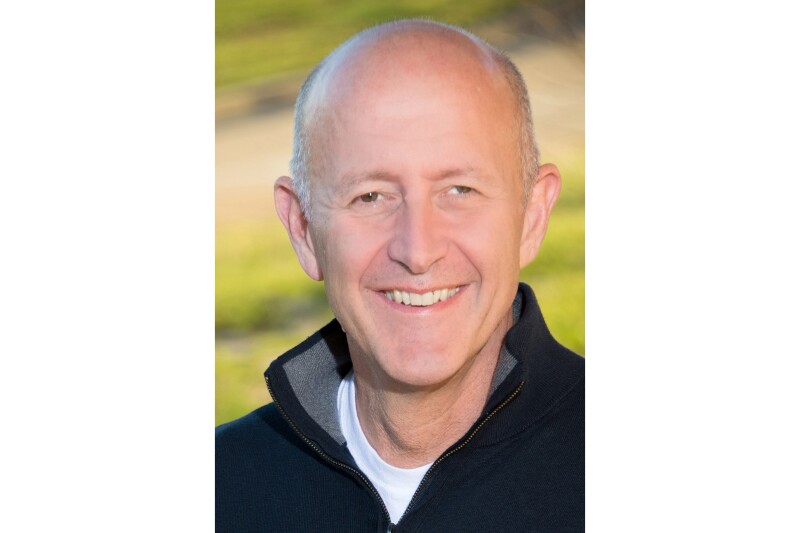
BREAKING: A high-stakes jury trial is underway in Olmsted County District Court as Dr. Michael Joyner, a Mayo Clinic physician with 38 years of experience, challenges his employer over alleged retaliation for whistleblowing. The trial, which could reshape workplace dynamics at the renowned medical institution, began this afternoon under Judge Kathy Wallace, following jury selection earlier today.
This urgent case highlights accusations that Mayo Clinic engaged in “weaponized” disciplinary actions against Joyner after he raised concerns about MITRE Corp attempting to illegally access patient data related to his COVID-19 research. In his opening statement, Joyner’s attorney, Samantha Harris, framed the conflict as a battle between the “Old Mayo Clinic,” which prioritizes patient care, and the “New Mayo Clinic,” perceived as a corporate entity focused on profits and branding.
The trial’s timing is critical; it comes just weeks after Joyner filed his lawsuit in November 2023, alleging that disciplinary measures—including a one-week suspension without pay—were retaliatory actions stemming from his whistleblower status. Joyner received a “Final Written Warning” in 2020 while conducting federally funded research on using convalescent plasma to treat COVID-19. He faced a second warning in 2023 related to controversial statements regarding transgender athletes and criticism of the National Institutes of Health that the Mayo Clinic claimed harmed its reputation.
Joyner remains employed at Mayo; however, his career and reputation hang in the balance as the trial progresses. Legal experts regard this as possibly the most influential civil case in the county’s history, emphasizing its implications for workplace rights and institutional accountability.
In a sharply worded rebuttal, Mayo Clinic’s attorney, Ryan Mick, argued that Joyner’s actions warranted the disciplinary measures, claiming he displayed “aggressive” behavior that did not align with the Clinic’s values. Mick contended that Joyner’s peers, other Mayo Clinic physicians, supported the disciplinary decisions, asserting that the hospital’s response was appropriate.
The prosecution called Dr. Jonathon Senefeld to testify, who worked closely with Joyner on the convalescent plasma project. Senefeld’s testimony revealed that he had not witnessed any unprofessional behavior from Joyner during their extensive collaboration. However, he voiced concerns about MITRE’s unauthorized attempts to access sensitive patient data, underscoring the gravity of Joyner’s whistleblowing.
The courtroom drama is expected to unfold over the next ten days, with implications that extend beyond Joyner’s case. Observers are keen to see how the jury will respond to claims about corporate influence in healthcare, particularly in light of the ongoing debate about patient privacy and ethical research practices.
As the trial continues, the spotlight remains firmly on the Mayo Clinic, a leading institution that is now accused of prioritizing corporate interests over patient welfare. The outcome could signal a turning point in how healthcare professionals navigate whistleblower protections and institutional accountability.
Stay tuned for more updates as this urgent case develops, highlighting the intersection of ethics, healthcare, and corporate governance.