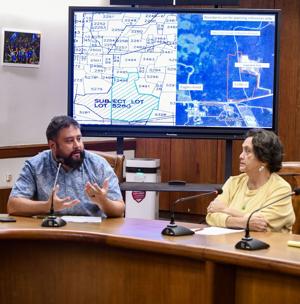
URGENT UPDATE: The Kannapolis City Council is set to implement significant upgrades to the city’s water and sewer systems, with a comprehensive capital improvement plan (CIP) aimed at addressing escalating water demands through 2050. During a session held earlier today, Director of Water Resources Alex Anderson unveiled crucial details about the city’s strategies to meet projected population growth and rising water needs.
As it stands, Kannapolis currently uses 6.5 million gallons per day, but officials anticipate this will surge to between 12 million and 14 million gallons per day by 2050 due to increasing demand. With the city’s population expected to grow, the urgency for infrastructure improvements has never been clearer.
The final CIP will be integrated into the city’s budget planning process slated for May and June, outlining necessary repairs and expansions to both water and wastewater systems. Anderson emphasized the dire need for routine maintenance and capacity assessments to prevent potential crises in the future.
Recent evaluations show a concerning trend: the city’s primary water source, Kannapolis Lake, has lost an alarming 72 million gallons of storage capacity from 2002 to 2022 due to sedimentation. This startling statistic raises red flags about future water availability, particularly during drought conditions.
The CIP will also include backup plans to address short-term and long-term needs during drought scenarios, which could involve securing additional access to the Yadkin and Catawba Rivers. Anderson reported that the city’s current reservoir system has a maximum safe yield of 13.5 million gallons per day, but updated drought assessments indicate a reduced capacity of 8.2 million gallons per day during a 50-year drought.
In addressing wastewater management, projections indicate sewer flow will rise from 4.61 million gallons per day to nearly 11 million gallons per day by 2050. This increase includes an estimated 224,000 gallons per day from areas outside of Kannapolis as outlined in future land use maps.
Council members raised critical questions about the feasibility of these ambitious plans. Councilman Darrell Jackson expressed concerns about the city’s ability to reach its water capacity goals. Anderson reassured him that while current pipelines limit expansion, options for tapping into additional sources are available.
“The existing water main from Salisbury could provide several million gallons a day,” Anderson stated, underscoring the city’s adaptable water management strategy.
Moreover, the city has contingency plans in place for extreme drought conditions, including the option to draw water from Coddle Creek if necessary, though the current strategy aims to maintain lower water levels in the lake to ensure sustainability.
As the council deliberates on these vital infrastructure enhancements, Anderson noted the importance of phased project implementations. Immediate requests for funding and resources will be prioritized, particularly for projects involving the Catawba River, expected to commence within the next two years.
With the projected population growth and increasing water demands, the urgency for comprehensive upgrades to Kannapolis’ water and sewer systems is evident. The council’s commitment to addressing these challenges reflects a proactive approach to safeguard the city’s water future.
Stay tuned for further updates as the Kannapolis City Council prepares to unveil the full capital improvement plan this spring, highlighting specific projects, costs, and timelines essential for ensuring a stable water supply for the future.