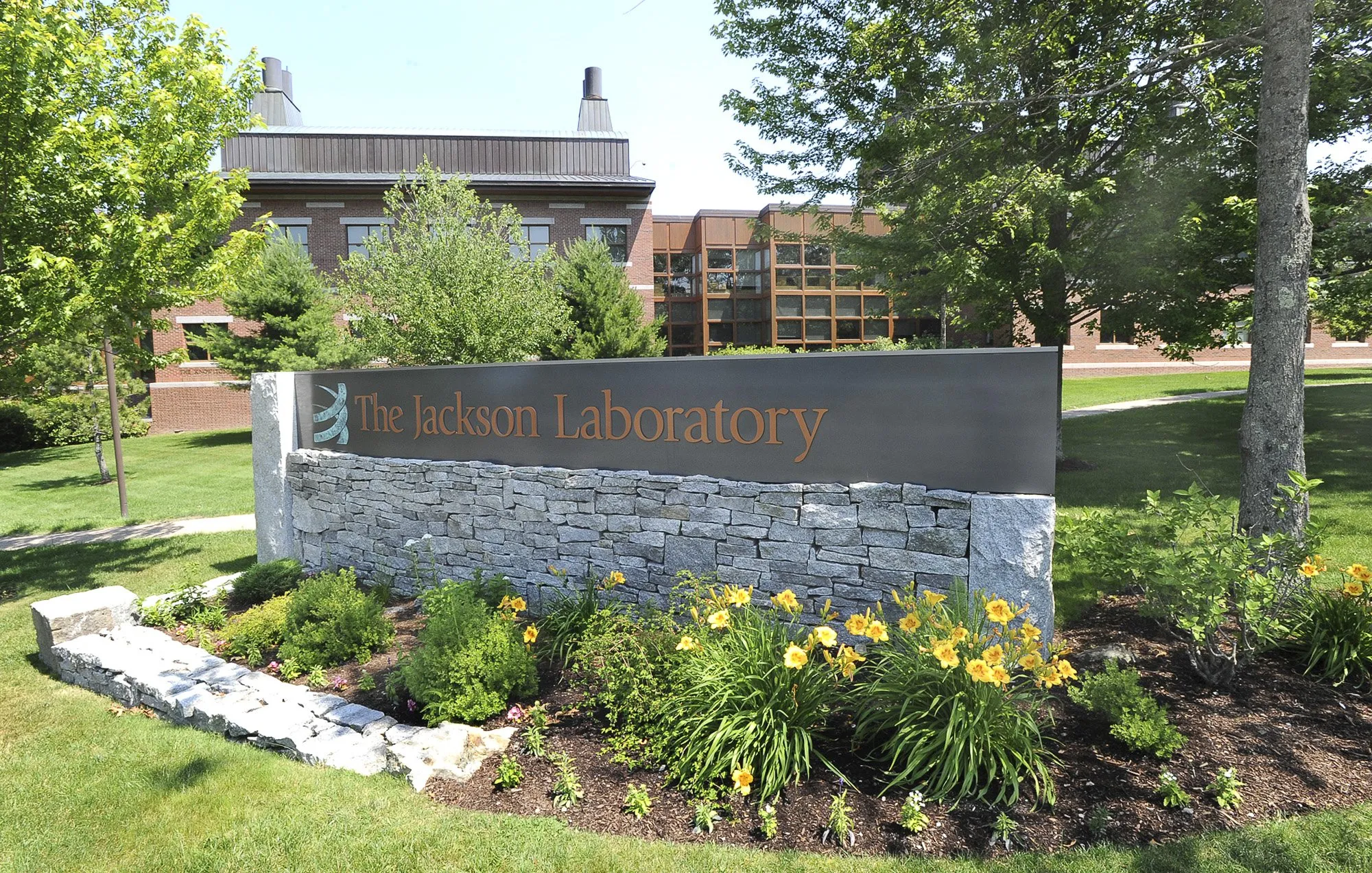
BREAKING: The Jackson Laboratory in Bar Harbor, Maine, has just been awarded a groundbreaking federal grant of up to $30.6 million to revolutionize drug testing through digital heart models. This historic grant, announced by the Advanced Research Projects Agency for Health (ARPA-H) under the U.S. Department of Health and Human Services, marks a significant milestone as it is the first specialized funding of its kind for a Maine research institution.
The substantial funding will be allocated over the next three years to develop advanced digital simulations of the human heart. These models aim to evaluate how drugs interact across diverse genetic profiles and physiological differences, which is crucial in today’s personalized medicine landscape.
Alicia Jackson, director of ARPA-H, emphasized the urgent need for innovative tools in drug development. “Too many promising medicines fail late, after years of work and enormous cost, because our best tools still don’t reliably predict how a drug will behave in people,” she stated in a press release.
The award is part of a nationwide initiative funding eight projects, all dedicated to creating computer models that closely mimic human biology to enhance drug safety and efficacy predictions before clinical trials commence.
Matt Mahoney, principal computational scientist and lead investigator at Jackson Lab, expressed his enthusiasm for the project, highlighting the transformative potential of AI in drug testing. “The idea of taking animal models out of pre-clinical safety evaluations and doing better with artificial intelligence and simulation is a tremendous opportunity,” Mahoney said, noting that the project’s scale is unprecedented and heavily reliant on this grant.
The implications are significant: a leading cause of clinical trial failures is cardiotoxicity, where drugs negatively impact heart function. Traditional animal models often fall short in predicting human outcomes. Mahoney explained, “Our project is using a combination of AI methods and human cellular models to design virtual human populations that can replace animal models in toxicity testing.”
This funding is lauded by Sen. Susan Collins, who praised the award as a testament to the groundbreaking work being done at The Jackson Laboratory. “This more than $30 million grant is a testament to the incredible work happening at The Jackson Laboratory that has the potential to dramatically reduce the time and cost of drug development,” Collins stated.
The Jackson Laboratory, which employs over 1,000 people at its Bar Harbor campus, anticipates adding new positions as a result of the grant, although specific numbers were not disclosed. The lab’s research is set to reshape the landscape of drug development, paving the way for safer and more effective medications.
This urgent development not only highlights the innovative strides being made in biomedical research but also underscores the potential impact on patients worldwide, aiming to bring life-saving drugs to market more efficiently and safely.
Stay tuned for further updates on this transformative project, as the Jackson Laboratory embarks on this ambitious journey to redefine drug testing practices.