URGENT UPDATE: Maine educators are facing a critical call to action regarding winter recess policies as temperatures plunge to a chilling 3 degrees Fahrenheit. In a compelling letter, educator Anne Adams from Rockport highlights the pressing need for schools to reconsider rigid indoor recess rules that may hinder children’s development and well-being.
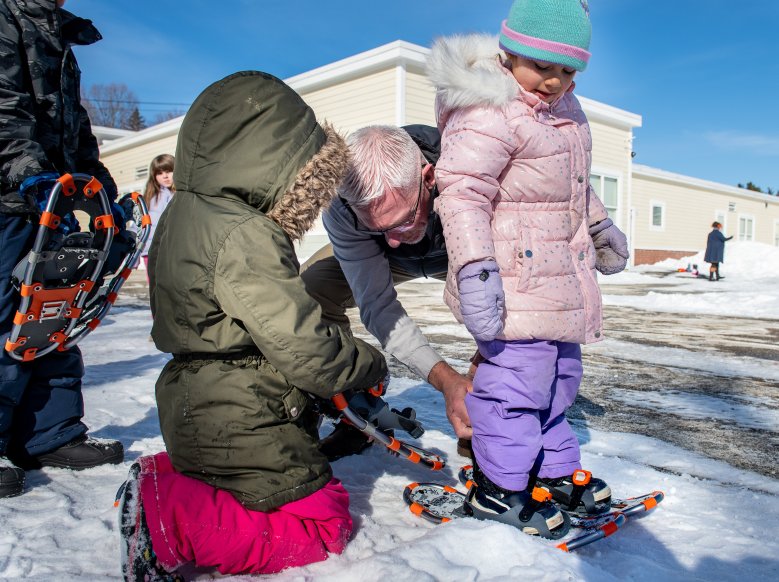
At 10:47 a.m., a teacher at a local public school monitored her third graders as they prepared for outdoor play. Clad in winter gear—hats low, neck warmers snug, mittens on—these children joyfully ventured into the snow. By 11:30 a.m., they were still actively engaged, building and exploring without any reports of discomfort. This scene, described by Adams, underscores a significant shift in how cold weather is perceived in educational settings.
Maine’s current policies often reflect a fear-based approach to cold weather, keeping students indoors for weeks at a time. Adams argues that such practices prioritize adult convenience over the developmental needs of children. She insists that with appropriate clothing and supervision, outdoor play in winter conditions can be both safe and beneficial for students’ physical and emotional health.
“What is harmful is prolonged indoor confinement,” Adams states, advocating for evidence-based practices that encourage outdoor learning. States like Alaska and Minnesota, which experience harsher winters, have successfully integrated outdoor learning into their curricula, demonstrating that cold exposure can be managed effectively.
The emotional impact of this issue is profound. Children thrive when they have the opportunity to engage in active play, even in colder months. Prolonged indoor confinement can lead to negative effects on their physical health, emotional regulation, and overall resilience.
As Maine schools reconsider their winter recess policies, the question remains: Will educators prioritize evidence over fear? Adams calls for immediate action to ensure that Maine’s children experience winter not from behind glass, but fully engaged with the world around them.
This urgent discussion is just beginning, and educators are encouraged to join the conversation about creating a more inclusive and health-oriented approach to winter recess. Schools must act swiftly to embrace outdoor play, ensuring that Maine’s children receive the benefits of active learning in every season.
Stay tuned for more updates as this critical dialogue develops.