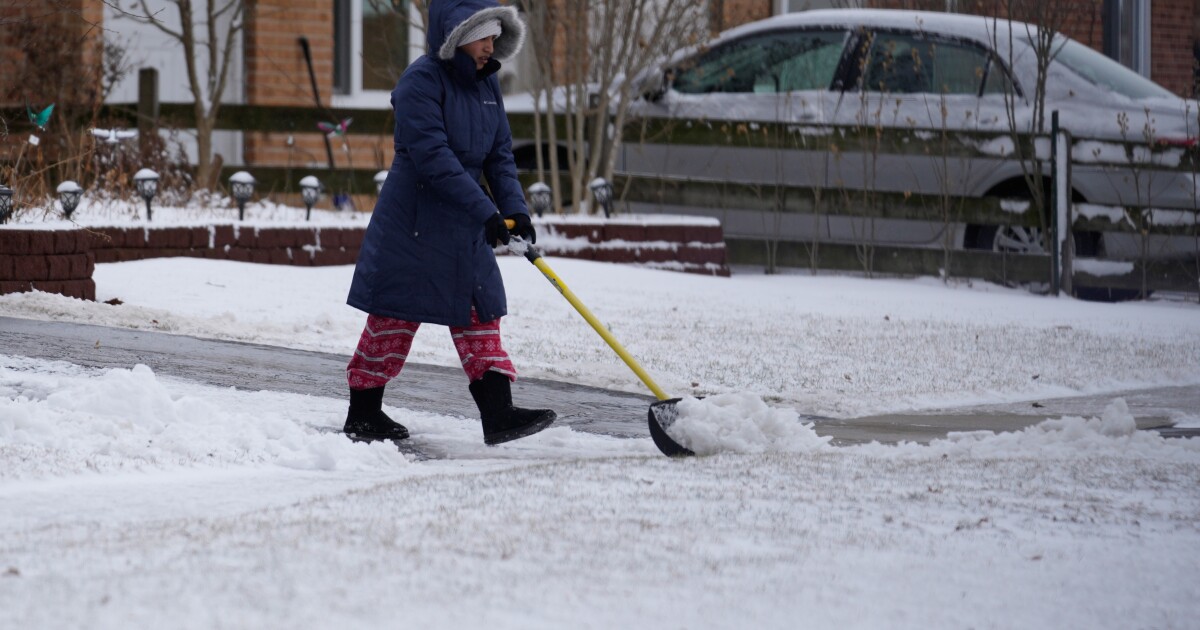
UPDATE: A significant winter storm is poised to impact the Mid-Atlantic and Northeast regions this weekend, with the potential for snow or sleet exceeding a quarter-inch of liquid precipitation. The National Weather Service warns that from February 3 to February 5, 2023, areas stretching from South Carolina to Maine could face hazardous conditions as forecasters predict an “impactful” storm developing along the East Coast.
Coastal areas are expected to experience the highest chances of severe weather, with forecasters indicating that 0.25 inches of liquid precipitation could translate to several inches of snow. “Despite notable agreement on the intensifying system, subtle differences in the track off the coast lead to considerable uncertainty regarding the potential impacts,” stated Michael Schichtel, chief meteorologist at the Weather Prediction Center.
The impending storm is not just about snow; it could also bring high winds, large waves, and coastal flooding. The eastern half of the U.S. is bracing for temperatures well below normal for the next ten days, as record cold has already prompted numerous school closures across the region. Schichtel highlighted that “the ongoing settling of cold surface high pressure and additional surges following the historic winter storm will maintain dangerously cold temperatures for central and eastern U.S. well into next week.”
In contrast, the western U.S. is experiencing well above-average temperatures, creating a stark divide in weather patterns across the country. The upcoming storm is expected to exacerbate conditions, particularly for those in the path of the winter weather.
Residents in the affected areas should prepare for possible disruptions, including power outages and travel delays. Officials urge communities to stay updated with real-time forecasts and adhere to safety guidelines as the situation develops.
Stay tuned for further updates as this winter storm unfolds, impacting millions across the Mid-Atlantic and Northeast. Prepare now to ensure your safety as conditions are likely to deteriorate rapidly.