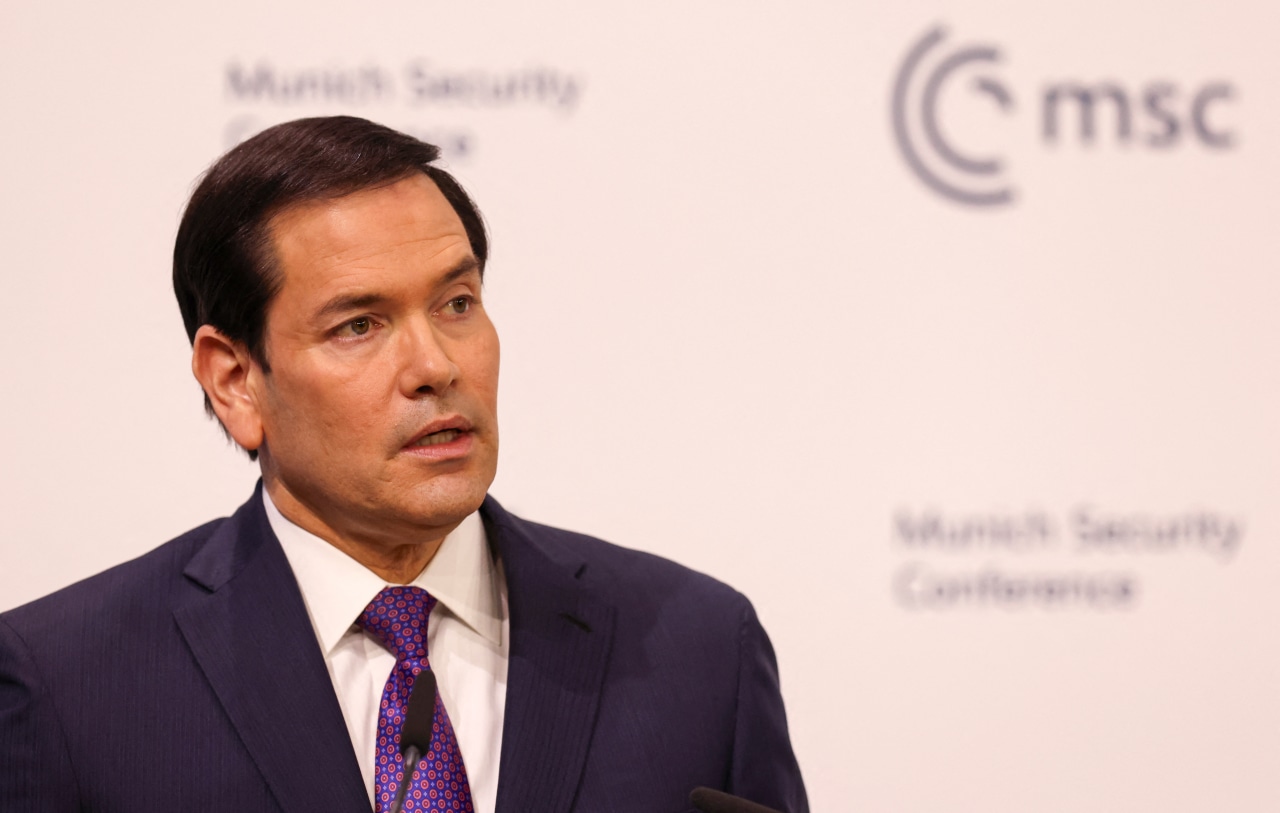
Marco Rubio, the United States Senator from Florida, has recently emphasized the importance of acknowledging Europe’s religious roots in a speech addressing European leaders. This statement arrives at a time when discussions surrounding the role of Christianity in Western society are increasingly relevant. Rubio’s remarks are particularly aimed at reminding Europeans of their cultural heritage amid a landscape that many perceive as moving away from its religious foundations.
Rubio articulated his views during a visit to Europe in early October 2023, where he highlighted the historical significance of Christianity in shaping Western civilization. He pointed out that the values derived from religious teachings have played a pivotal role in the development of democratic principles and human rights across the continent.
Christianity’s Influence on Western Values
In his address, Rubio noted that Christianity has been integral to the formation of social norms and ethical standards in Europe. He stated, “The moral framework provided by Christianity has underpinned much of our legal systems and societal structures.” This assertion echoes sentiments shared by various scholars who argue that the decline in religious observance might lead to a vacuum in moral guidance within society.
Rubio’s advocacy for a return to these values comes at a time when surveys indicate a notable decline in church attendance across many European nations. For instance, a 2022 report from the Pew Research Center revealed that only 16% of individuals in countries like France and Germany consider themselves active participants in religious services. This trend raises questions about the future role of Christianity in public life and its potential impact on cultural identity.
The Political Implications
The political ramifications of Rubio’s comments are significant, particularly as European countries grapple with issues related to immigration, secularism, and nationalism. Several right-leaning political factions have begun to advocate for a return to traditional values, framing their arguments within a Christian context. Rubio’s perspective may resonate with these movements, potentially influencing the political landscape in Europe.
Additionally, Rubio’s speech has sparked a broader conversation regarding the intersection of religion and politics in the West. Many political analysts suggest that embracing religious heritage could unify diverse populations under shared values, countering the rising tide of division and polarization.
As the discussion unfolds, the response from European leaders remains to be seen. Some may welcome Rubio’s call for reflection on religious origins, while others might view it as an encroachment on the principle of secular governance that many European nations uphold.
In conclusion, Marco Rubio’s push for a renewed acknowledgment of Christianity’s role in Europe’s past highlights ongoing debates about cultural identity and moral direction. As Europe continues to evolve, the dialogue surrounding the influence of religion on society will likely remain a critical issue in both political and public spheres.