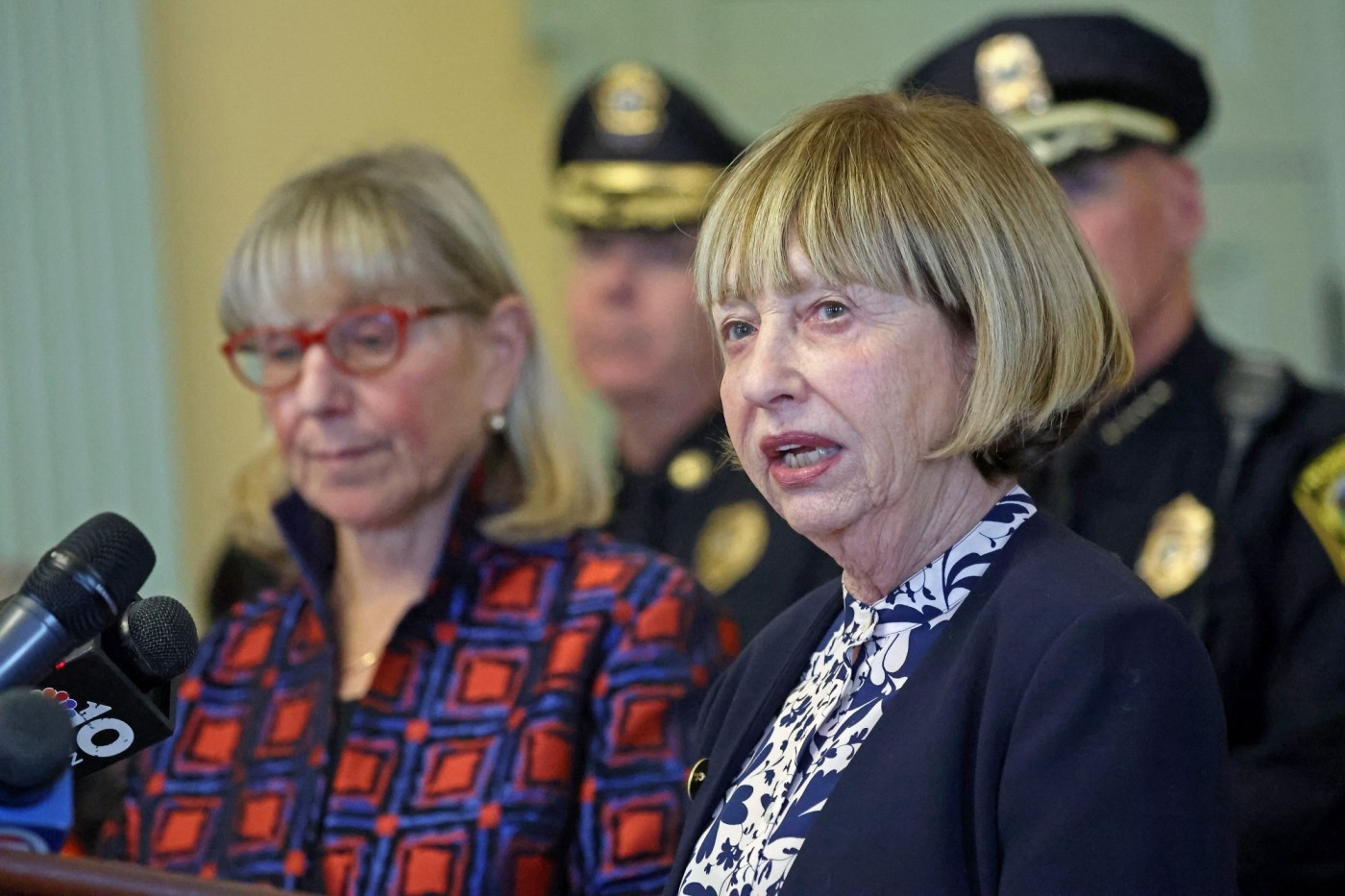
URGENT UPDATE: A controversial bill aimed at reducing personal vehicle miles in Massachusetts is generating significant debate as it faces fears of government overreach. State Sen. Cynthia Stone Creem (D-Newton) is defending her legislation, known as the “Freedom to Move Act,” which is intended to align the state’s transportation strategy with climate goals.
The legislation, which has been criticized for its apparent goal of limiting residents’ driving habits, would require the Massachusetts Department of Transportation (MassDOT) to set ambitious targets for reducing statewide driving miles. Supporters argue it is essential for achieving climate targets and improving public transportation options, while opponents voice concerns over personal freedoms and implications for rural residents.
During a hearing in May before the Joint Committee on Telecommunications, Utilities and Energy, proponents emphasized the bill’s potential to tackle what they describe as the largest source of emissions in the Commonwealth. Kevin Shannon, an analyst with the Union of Concerned Scientists, stated the bill would “fill a necessary gap” in aligning transportation plans with climate objectives.
However, critics, including State Sen. Michael Barrett, co-chair of the committee, raised equity concerns, stating that the bill could disproportionately affect rural communities where commuting distances are longer. “I do worry about an unintended and subtle bias against rural Massachusetts,” Barrett remarked.
In her defense, Stone Creem asserted that the bill does not impose fines or taxes on drivers, claiming it expands transportation choices. “It does not in any way limit people’s choices about how to get around,” she told the Boston Herald. Yet, the bill mandates that regional transportation plans comply with the driving reduction goals set by the state, which many see as a direct limitation on personal vehicle use.
As the state continues to grapple with the impacts of the COVID-19 pandemic, data shows that vehicle miles have already decreased significantly due to the rise in remote working. A recent report from the Greater Boston Chamber of Commerce revealed that 85% of local businesses have adopted hybrid work models, with employees in the office just three days a week. This shift has resulted in a 15.1% commercial vacancy rate in Boston, highlighting a drastic change in commuting patterns.
Opponents argue that the bill overlooks these evolving work habits and the transportation challenges faced by many residents, particularly in less populated areas. The lack of adequate regional transit systems in western Massachusetts further complicates the feasibility of reducing personal vehicle reliance.
As the debate heats up, stakeholders from various sectors are urging for amendments to ensure the bill supports all areas of the state equitably. The next steps for the “Freedom to Move Act” remain uncertain, as lawmakers weigh the potential consequences of imposing driving restrictions on residents.
Stay tuned for further developments as this legislation progresses through the Massachusetts legislature. With climate change at the forefront of policy discussions, the outcome of this bill could have lasting impacts on transportation and environmental strategies in the state.