UPDATE: Mitsubishi’s North American operations are in jeopardy as the company reports significant losses during the April-September 2023 period. In a potential game-changing move, Mitsubishi is exploring a collaboration with rivals Nissan and Honda to assemble new SUVs in the United States. This urgent strategy aims to alleviate the financial strain and adapt to the rapidly evolving automotive landscape.
Currently, every Mitsubishi sold in the US is imported from Japan, subjecting the brand to 15 percent tariffs that inflate prices and curb sales. With Mitsubishi only managing to sell 113,000 vehicles in the US during the last fiscal year, the company faces fierce competition against larger players like Nissan and Honda.
Mitsubishi President and CEO Takao Kato has indicated that a decision on joint production could arrive by spring 2024. He emphasized the challenges of maintaining independence in the current market, stating, “it’s absolutely difficult to continue on our own.”
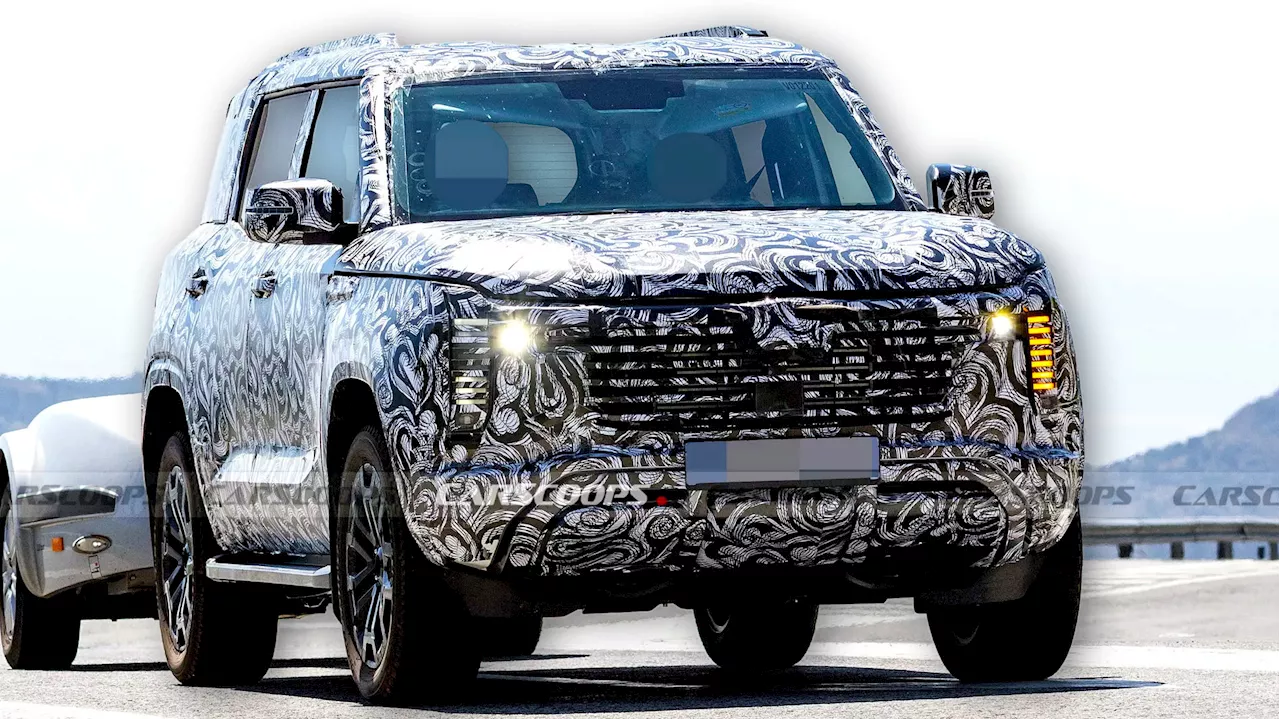
There are no confirmed details regarding which models may be produced or the specific factories involved, but earlier discussions hint at Mitsubishi SUVs potentially being manufactured at Nissan’s underutilized plants in Mississippi and Tennessee. This collaboration could not only revitalize Mitsubishi’s operations but also provide Nissan with a much-needed boost as its facilities also struggle with low production rates.
A partnership could prove mutually beneficial. While Nissan faces declining sales, Honda’s five US factories are currently operating at maximum capacity. By sharing resources, all three manufacturers could gain a competitive edge in the increasingly crowded market.
Mitsubishi’s operations have been hampered by the tariffs established during the Trump administration, which, while reduced from an initial proposal of 27.5 percent, continue to impact its affordability and market presence. The collaboration with Nissan and Honda could be a strategic pivot, allowing Mitsubishi to lower costs and increase its market share, particularly as the three companies collectively control a 15 percent share of the US automotive market, edging out even Toyota.
In addition to production, Kato signaled interest in broader cooperation with Nissan and Honda on vehicle development. He noted that synergies are already evident, as Nissan’s new Rogue Plug-in Hybrid is essentially a revised version of the Mitsubishi Outlander.
As this story develops, the automotive industry will be watching closely for Mitsubishi’s next steps. The implications of a partnership could not only reshape the company’s future but also influence the competitive dynamics among major Japanese automakers in North America.
Stay tuned for further updates on this breaking news as Mitsubishi navigates these pivotal discussions.