UPDATE: New reports confirm that a growing number of New Yorkers are unretiring due to escalating financial pressures. The AARP reveals that as inflation impacts living costs, more retirees are forced back into the workforce, with 7% of retirees reentering the job market in the past six months—up from 6% earlier this year.
The financial outlook for many has shifted dramatically, prompting individuals like Maria Fischer to seek employment after retirement. With rising expenses and unstable investments, the urgency to secure supplemental income has grown. “I need the money. Of course, everybody needs the money,” Fischer stated, emphasizing the necessity of staying active and engaged.
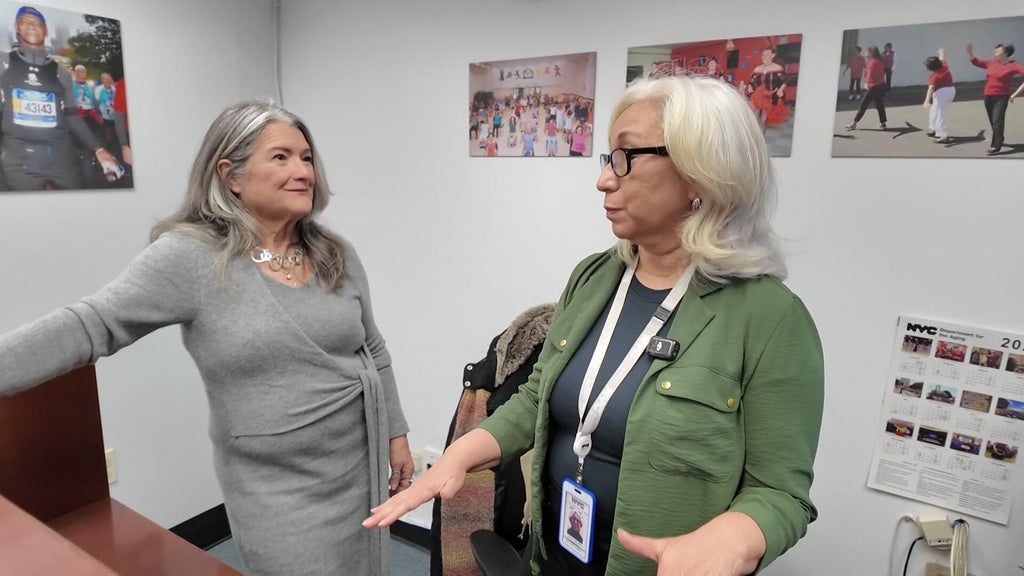
The New York City Department for the Aging, led by Commissioner Lorraine Cortez-Vasquez, reports an increasing trend of older residents returning to work. “The financial stresses are getting larger. Your 401(k) might not be as robust as you had planned,” she noted, highlighting the significant impact of economic uncertainty on retirement plans.
Amid these challenges, the AARP’s latest findings indicate that nearly half of the retirees who rejoined the workforce did so primarily for financial reasons. As the job landscape shifts, older workers are encouraged to explore opportunities in sectors such as health care, government, and retail. Cortez-Vasquez advised, “You may have been a teacher. But now you want to work in a museum or now you want to work in the city store.”
Fischer’s journey reflects a broader movement among retirees. After losing her job during the COVID pandemic, she sought assistance through the Silver Star Program, which provides resources for older job seekers. “They help you to find a job, so, for me, it’s great,” she shared about the support she received in updating her skills and resume.
With the prospect of continued financial strain, job seekers in New York City are urged to leverage their networks and experience. Carly Roszkowski, vice president of financial resilience programming for AARP, recommends reaching out to friends and neighbors for potential job leads. “Just stay positive,” she advised, emphasizing the importance of motivation and activity for both mental and physical health.
As this trend develops, many older New Yorkers face the urgent challenge of navigating the changing job market to secure their financial futures. With the number of unretired individuals expected to grow, the implications for the workforce and economy will be significant. Authorities are closely monitoring these changes and adapting services to support this demographic.
For those considering reentering the workforce, resources are available to assist with job searches and skill development. The critical takeaway? The landscape of retirement is changing, and the urgency to adapt is evident. As more New Yorkers confront these financial realities, the discussion around unretirement becomes increasingly relevant—an issue that resonates with many as they seek stability in uncertain times.