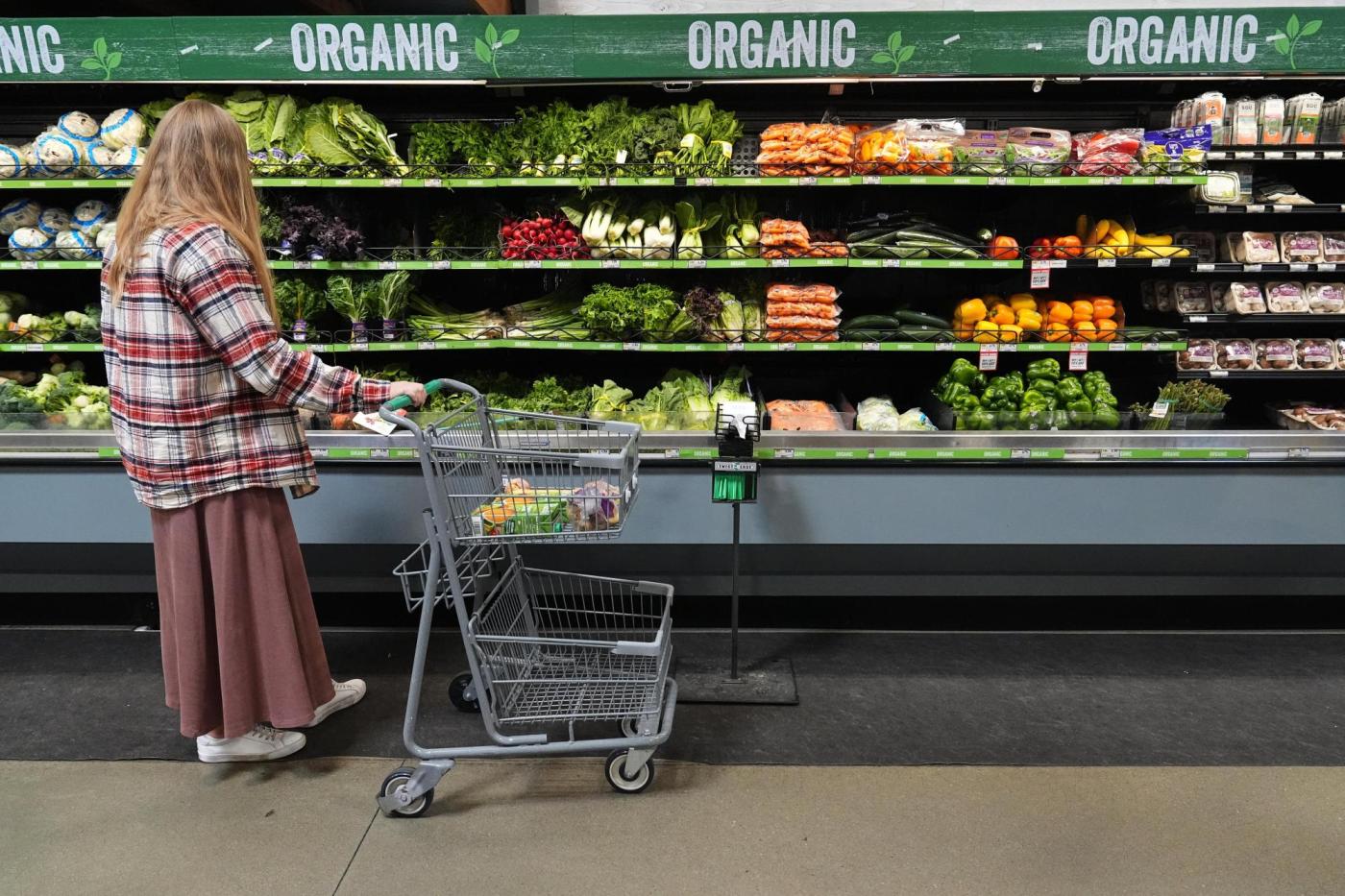
UPDATE: Governments are pouring billions into tackling food deserts, yet experts question the effectiveness of this approach. Recent reports reveal that, despite substantial funding, the issue persists with little improvement in community health outcomes.
JUST ANNOUNCED: Last month, leaders celebrated the opening of a new grocery store in Lynwood, made possible by $5.1 million in state funds aimed at revitalizing a vacant gas station. This store is intended to provide fresh food to an area previously classified as a food desert. However, critics argue that simply opening grocery stores does not address the root causes of poor nutrition.
Since 2024, the LA County Food Equity Fund has allocated $20 million to nonprofits to establish markets in food deserts, including a mobile farmer’s market. In the past decade, the federal and local governments have spent hundreds of millions of dollars in efforts to encourage grocery stores in these areas, according to research from NYU.
The FDA defines a food desert as a community where residents face significant barriers to accessing nutritious food. The term has gained traction as a factor contributing to health disparities between wealthier populations and those living in poverty. Critics, however, suggest this narrative oversimplifies the problem.
New York City mayor-elect Zohran Mamdani is advocating for government-run grocery stores to provide affordable, healthy food in the city’s food deserts. Yet, many question the practicality of this solution. A recent survey funded by the USDA indicated that the average SNAP recipient lives 1.96 miles from a supermarket but travels 3.15 miles to preferred grocery stores. This suggests that distance is not the primary barrier to accessing healthy food.
Research published in the Quarterly Journal of Economics found that although new supermarkets opened in food deserts, households did not significantly increase their purchases of healthy food. Instead, they simply found it easier to buy junk food.
As communities grapple with the effects of poor nutrition, officials must reconsider the effectiveness of funding new grocery stores. Experts argue that investing in early childhood nutrition education and outreach programs could yield more significant benefits.
NEXT STEPS: The ongoing debate highlights the need for a comprehensive approach to tackle poverty and health disparities. By shifting focus from merely opening grocery stores to addressing the underlying issues of poverty and education, officials can make a more meaningful impact on community health.
As these discussions unfold, the public is encouraged to stay informed and engage in the conversation. The implications of these decisions resonate deeply, affecting countless families struggling with access to nutritious food.