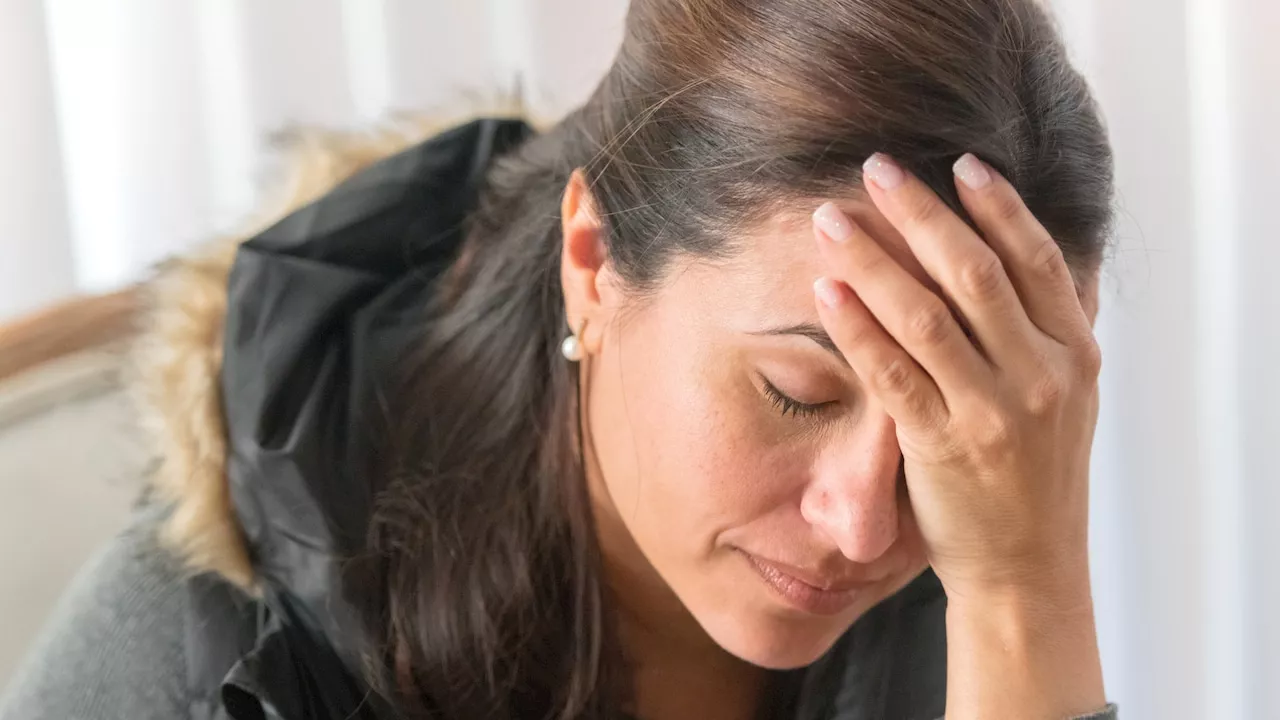
URGENT UPDATE: A cancer survivor’s struggle with unsolicited comments about her newly curly hair has ignited a discussion on social etiquette and sensitivity. The woman, who is recovering from cancer treatment that resulted in hair loss, is now facing daily reminders of her battle as her hair grows back in a curly texture, prompting numerous remarks from people around her.
JUST ANNOUNCED: The survivor expressed her distress in a column by etiquette expert Judith Martin, known as Miss Manners. She revealed that comments such as, “Oh, your hair! It’s so curly!” from acquaintances at her church and gym have become painful reminders of her past struggles. Despite her efforts to communicate her discomfort, the remarks persist, leading to emotional distress.
In her heartfelt message, the woman recounted how these comments detract from her journey to feel normal again. “It’s a painful reminder when I’m trying to feel normal again,” she shared, highlighting the emotional toll of being constantly reminded of her appearance.
Miss Manners responded with a stark reality: there is no legal way to stop such comments. “Foolish people often believe they are giving compliments,” she noted, pointing out that many fail to recognize the emotional impact of their words. The etiquette expert offered little hope for changing such behavior, advising that a silent, humorless stare might effectively deter further comments.
This situation raises urgent questions about social awareness and compassion, especially in the context of individuals dealing with health challenges. The emotional ramifications of such seemingly benign comments can be significant, as the survivor experiences frustration and sadness in her daily interactions.
WHAT TO WATCH FOR: As this discussion unfolds, it sheds light on the broader need for sensitivity regarding personal struggles. It emphasizes the importance of understanding how comments can affect those who have faced trauma, encouraging a collective reflection on our communication habits.
The survivor’s experience resonates with many, highlighting how society can sometimes overlook the emotional weight carried by individuals in recovery. As more people join the conversation, it could prompt a much-needed cultural shift toward empathy and respect.
For those interested in sharing their thoughts or experiences, this story serves as a poignant reminder of the power of words and the importance of kindness in our interactions.