8 million, UK, Royal Mail, Christmas cards, ChatGPT, Claude, Gemini, Perplexity, Grok
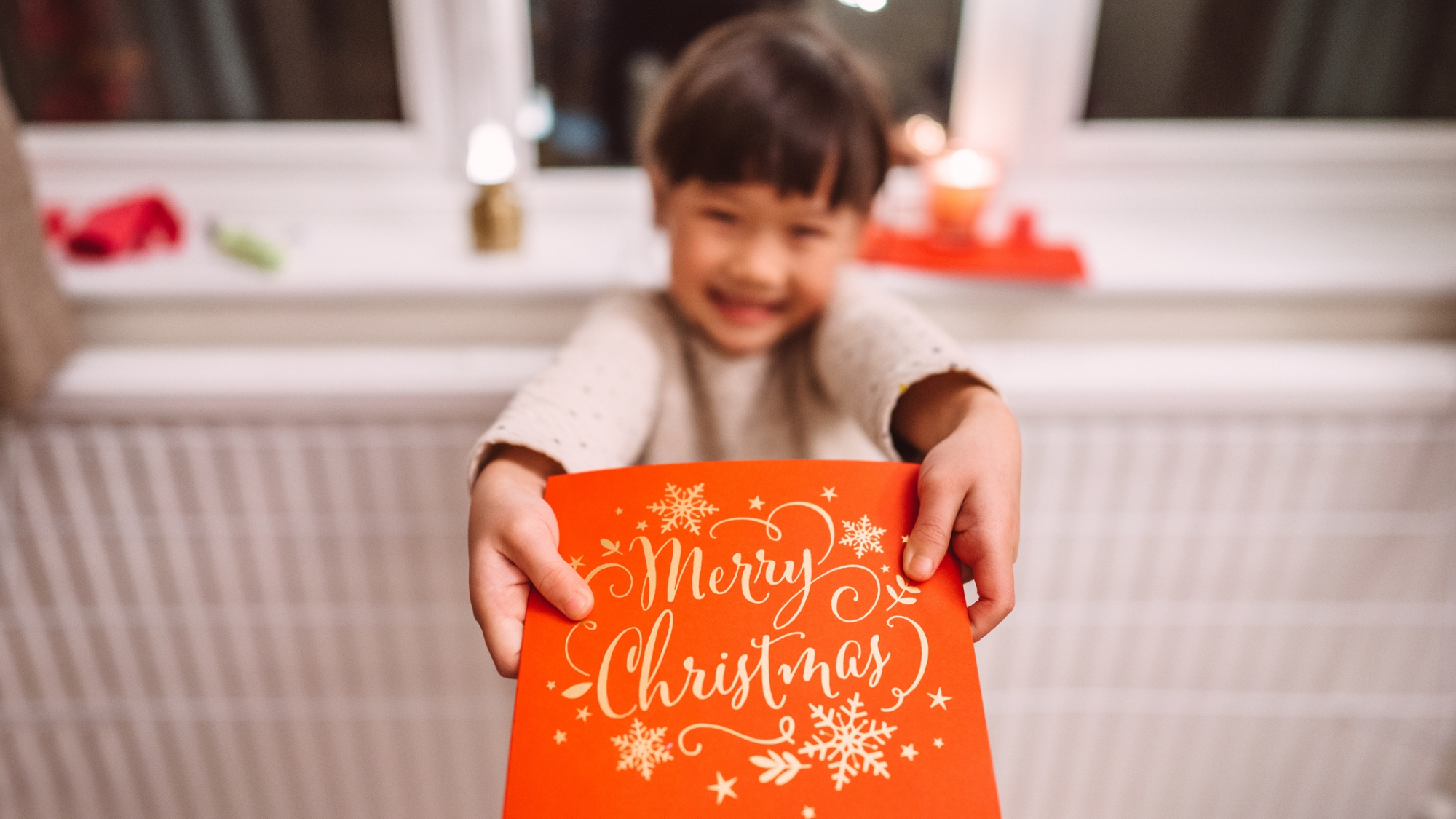
UPDATE: More than 8 million people in the UK are turning to AI to write their Christmas cards this year, according to a startling new report from Royal Mail. As the holiday season approaches, this trend reflects a growing reliance on technology amid a year of exhaustion, raising questions about the emotional connection in holiday greetings.
The surge in AI-generated Christmas cards is happening just in time for the festive season, with many people feeling overwhelmed by time constraints. This shift to automation is not just a convenience; it also underscores a deeper issue of modern fatigue, where personal touches seem harder to achieve amidst busy schedules.
As families and friends prepare to connect over the holidays, the use of AI in crafting heartfelt messages has sparked a debate about authenticity. Could this be the new norm? AI chatbots like ChatGPT, Claude, Gemini, Perplexity, and Grok are being tested to see if they can deliver meaningful sentiments, but experts caution that the results often lack the personal touch that makes these cards special.
In a recent experiment to evaluate AI performance, five major chatbots were tasked with writing a Christmas card for the author’s mother, who recently helped with a house move. The prompt was straightforward: create a heartfelt message without extensive emotional guidance. The results varied significantly, highlighting the limitations of AI in capturing genuine human emotion.
“I just wanted to say thank you, properly and from the heart. Helping me move house wasn’t just about boxes and logistics — it was about your time, your energy…”
While ChatGPT offered a polished yet somewhat generic response, others like Claude provided a warmer tone that felt closer to a human touch. However, even the best attempts often included phrases that felt contrived, raising concerns about the authenticity of AI-generated messages.
Moreover, the results from other chatbots were hit-or-miss, with some responses veering into overly sentimental territory, suggesting that while AI can generate text, it struggles to convey genuine emotional depth. These findings reflect a significant cultural shift towards digital solutions, but they also warrant caution about what may be lost in translation.
As we approach the festive season, consumers are encouraged to consider the implications of using AI for personal communications. The convenience of AI can be tempting, but it may not replace the authenticity that comes from a handwritten note.
Looking ahead, experts suggest that if individuals choose to embrace AI for card writing, they should refine the outputs to add personal details and emotional context. This approach allows for a blend of technology and the irreplaceable human touch that holiday greetings embody.
The trend raises urgent questions: How will our relationships evolve as we increasingly rely on technology for personal communication? As the holiday season progresses, the impact of AI on our emotional connections will undoubtedly become clearer.
As we head into the last weeks of the year, the debate over AI’s role in personal expression is likely to gain momentum. Will this be a one-time holiday trend, or are we witnessing the beginning of a fundamental change in how we connect with loved ones?
For now, the balance between convenience and authenticity remains a critical consideration. As the card writing season kicks off, the choice to use AI may reflect not just a practical decision, but also a cultural moment—a sign of our times. Stay tuned for further updates on this developing story.
Follow us for the latest news and insights on technology’s impact on our lives, and how to navigate the evolving landscape of digital communication.