UPDATE: In a stunning development, Pakistan’s military chief, Field Marshal Asim Munir, has significantly expanded his power just as the United States seeks to strengthen ties with Pakistan. This shift raises urgent concerns about the nation’s stability and its role in fostering terrorism in the region.
The Pakistani Parliament has just passed a sweeping constitutional amendment granting Field Marshal Munir lifetime immunity from arrest and prosecution, further entrenching military control over political and judicial institutions. This landmark move, signed into law last Thursday, signals a backslide towards full military dominance in a country already notorious for its army’s pervasive influence.
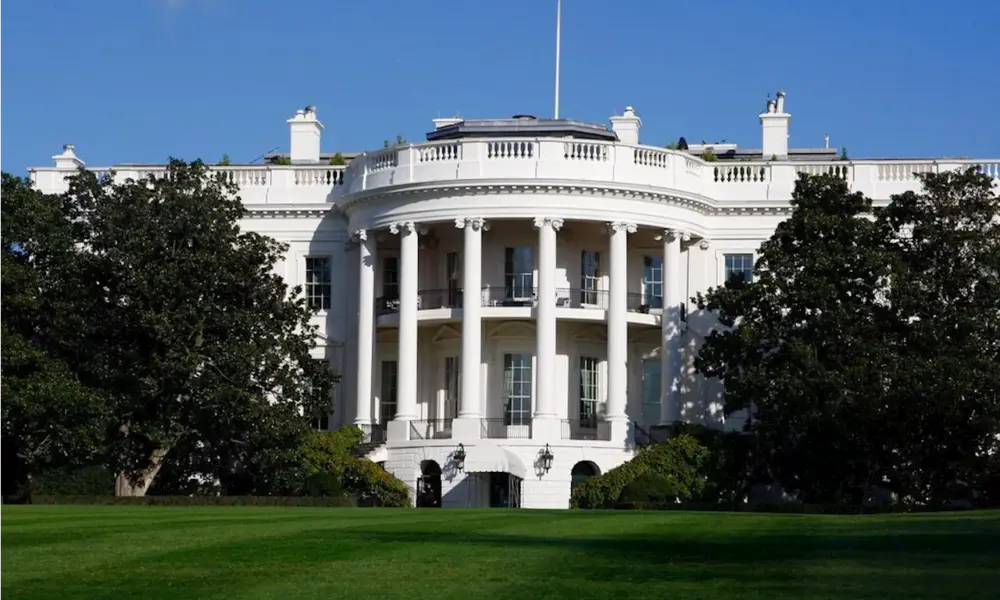
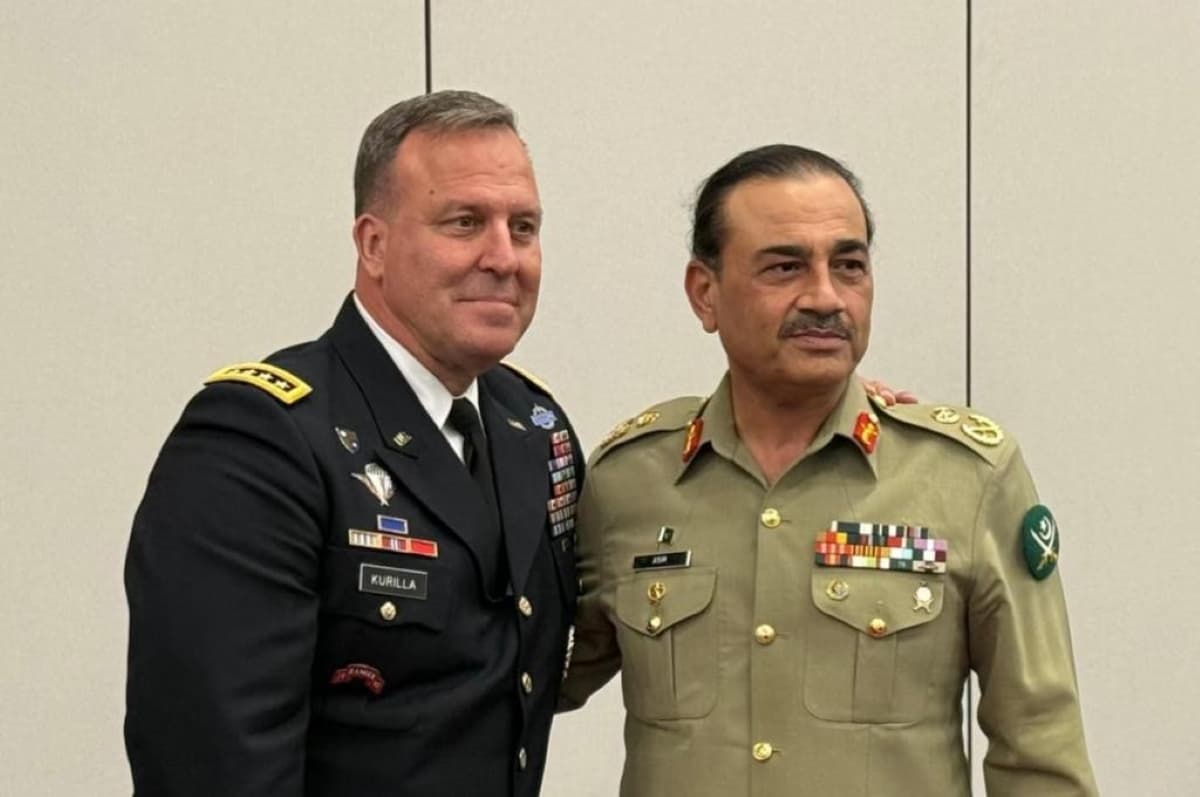
As the U.S. ramps up engagement with Pakistan, having hosted Munir at the White House twice in recent months, officials appear to overlook the implications of empowering a military leader amidst allegations of state-sponsored terrorism. Recent reports indicate that Pakistan continues to support groups like Jaish-e-Mohammed, which is implicated in violence against India, raising alarms about Islamabad’s commitment to combating terrorism.
On September 14, 2023, Jaish-e-Mohammed held a recruitment rally in Khyber Pakhtunkhwa, flaunting its operations under police protection. Eyewitness accounts suggest that these events are backed by Munir, who allegedly instructed military forces to pay tribute to terrorists killed by India during Operation Sindoor. This operation, initiated by India in May, targeted terror bases in Pakistan and Pakistan-Occupied Kashmir.
Meanwhile, India is not standing idle. Following recent strikes in Afghanistan on October 9, 2023, which targeted the Tehreek-e-Taliban Pakistan, Indian officials have intensified scrutiny of Pakistan’s military tactics. The airstrikes coincide with the Afghan foreign minister’s first official visit to India, showcasing Islamabad’s declining influence in the region.
The implications of Munir’s consolidation of power are profound. With Pakistan’s strategic influence waning and its dominance over the Taliban diminishing, the country faces potential internal fragmentation. The Pashtun populations are increasingly resisting Punjabi political control, raising fears of separatism that could further destabilize Pakistan.
Moreover, the U.S. appears to misjudge the reliability of Pakistan as a counterterrorism partner. As its military leadership tightens its grip, the risks of supporting authoritarianism while neglecting democratic allies such as India could lead to long-term geopolitical repercussions.
As the situation unfolds, observers are calling for a recalibration of U.S. strategy in South Asia. Pakistan’s military might be strengthening its hold, but the international community should remain vigilant of the potential fallout from such authoritarianism.
What’s Next: The global community must monitor developments closely as the U.S. continues its engagement with Pakistan. Further actions from Field Marshal Munir and the Pakistani military could significantly reshape regional dynamics, especially concerning India. The urgency for a reassessment of U.S. foreign policy in South Asia has never been clearer.