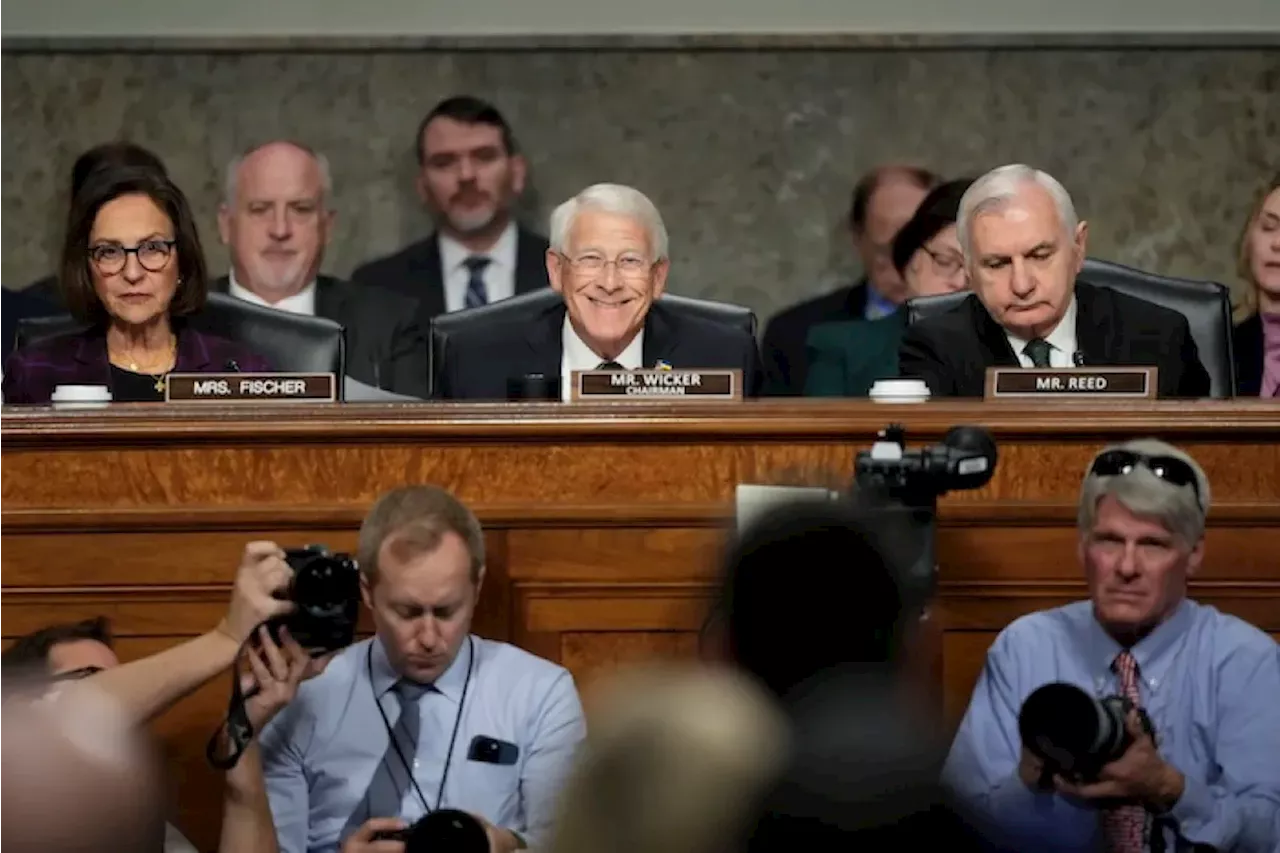
URGENT UPDATE: A senior Pentagon official has just confirmed significant gaps in communication with Congress regarding critical defense policies. During his confirmation hearing, Alexander Velez-Green, a key adviser to the undersecretary of war for policy, revealed that the Pentagon has not engaged with lawmakers about the National Defense Strategy or the Global Force Posture Review, triggering fierce bipartisan backlash.
Lawmakers expressed frustration over the Pentagon’s failure to consult Congress on these vital policy matters. Senator Roger Wicker, chairman of the Senate Armed Services Committee, emphasized, “That’s really not the way it’s supposed to work.” His remarks reflect growing concern that the Pentagon is operating independently of the administration’s agenda, raising alarms about coordination within the U.S. executive branch.
During the hearing, Velez-Green acknowledged, “I’m not aware that there has been formal consultations with Congress.” This admission comes as criticism mounts against Elbridge Colby, the Pentagon’s policy chief, for not adequately engaging with the Senate. Sen. Dan Sullivan described Colby as “the hardest guy to get a hold of,” illustrating frustrations within Congress aimed at ensuring military policies align with national interests.
The implications of this disconnect are significant. The Pentagon’s recent actions, such as troop withdrawals during the Iran-Israel conflict in June, have raised further questions about its alignment with the President’s strategic objectives. Additionally, concerns emerged over the alleged pause in military aid to Ukraine, with senators referencing conflicting statements from Pentagon officials regarding the timing and nature of support.
As Velez-Green seeks confirmation, he pledged to improve communication with Congress, stating, “If I’m confirmed, I would engage with the committee.” However, Wicker cautioned that achieving this goal would require a “change in mindset” within the Pentagon’s leadership.
The urgency of these developments cannot be overstated. With national security at stake, continued scrutiny from Congress will likely intensify as lawmakers demand transparency and accountability from the Pentagon. What happens next could reshape the Pentagon’s approach to policymaking and its relationship with Capitol Hill.
As this story unfolds, the ramifications for U.S. defense policy and congressional oversight will be closely watched. Stay tuned for updates on this critical issue.