UPDATE: Residents of Delaware County are expressing fierce opposition to a proposed 19% increase in property taxes as officials outline the necessity behind the hike during a contentious County Council meeting. The proposal, part of the 2026 budget submitted by County Executive Director Barbara O’Malley, is set for its first reading on December 3, 2023, with a final vote expected by December 10.
The tax hike follows a staggering 23% increase enacted last year, pushing the average tax bill from $803.34 to $988.03—an increase of nearly $185. If approved, the new 19% hike would add approximately $188 to this amount, significantly impacting homeowners throughout the county.
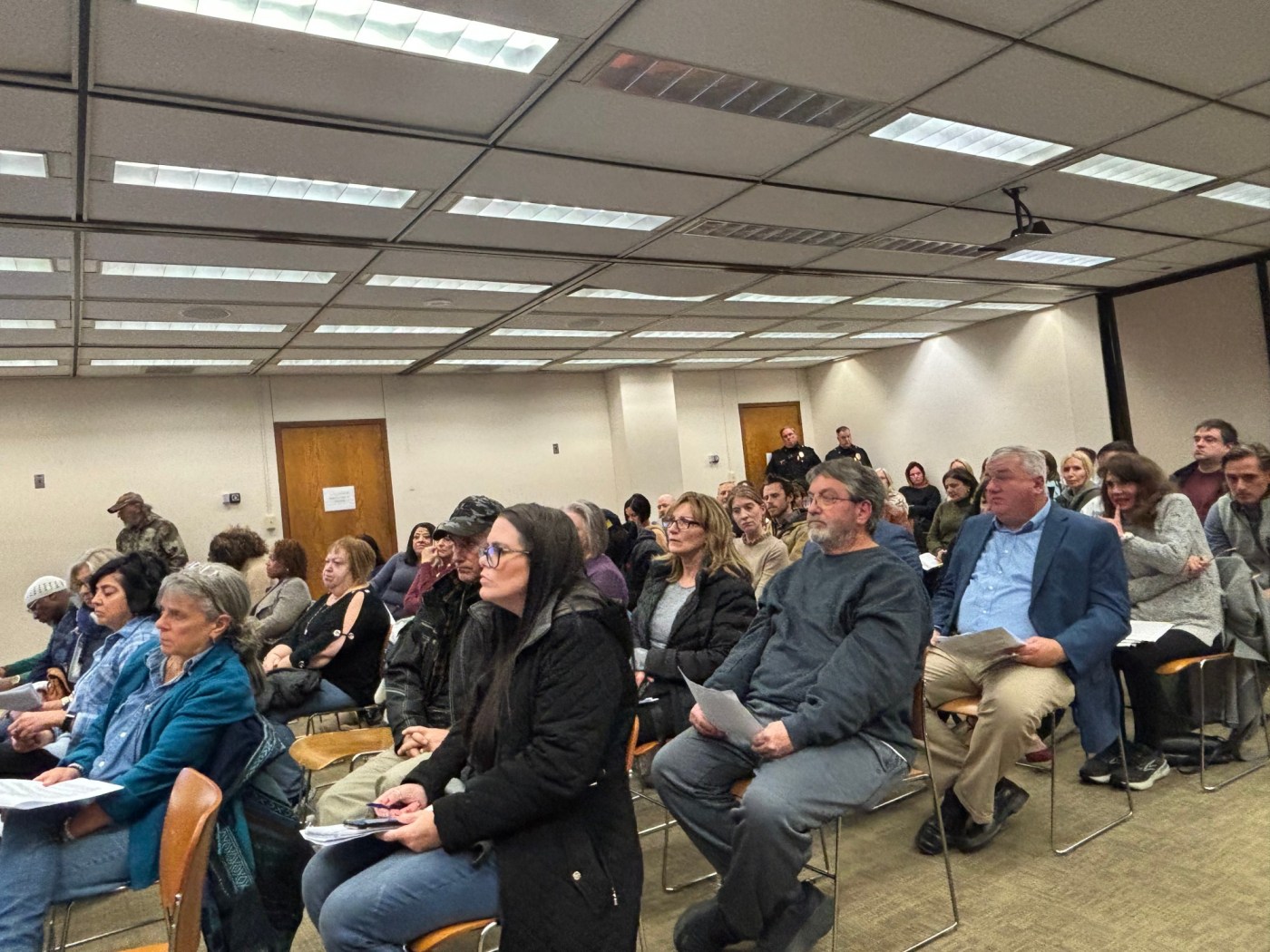
Residents voiced passionate concerns during the meeting, highlighting the financial strain many are already facing. Cynthia Sabatini from Upper Providence noted the recent success of the Delaware County Community Food Drive, stating, “It’s obvious that people are hurting financially in Delaware County. The proposed tax increase will push additional residents to the brink.” Many residents fear that they will have to choose between essential needs like food and medicine or paying their taxes.
The tax hike is justified by authorities who argue it addresses a structural deficit, dwindling budget reserves, and rising costs associated with services like public transportation and healthcare. Michael Connolly, Delaware County Communications Director, explained that the county is also facing increased contributions to SEPTA, the regional transit authority.
At the meeting, resident Michael Straw demanded fiscal accountability, questioning why the budget was not released before the recent elections for transparency. “We’ve seen our County Council raise salaries and create new departments while spending billions on unnecessary projects,” he remarked, urging cost-cutting measures instead of tax increases.
Concerns were also raised regarding the management of the George W. Hill Correctional Facility, where a proposed budget of $61 million has drawn criticism due to the declining inmate population. Kim Brown of Colwyn questioned the rising costs despite a halving of the inmate count since the facility was deprivatized. “How can costs be up when the number of inmates is down?” she asked.
Sabatini emphasized the problematic financial impact of skyrocketing prison costs, which have reportedly increased by 33% since 2022, despite fewer inmates. “There’s an inverse relationship between costs and prison population,” she stated, calling for an audit of the facility’s financial management.
The community’s frustration reflects a broader sentiment that annual tax hikes are being normalized without a clear plan for fiscal responsibility. Resident Selma criticized the county for perpetuating financial distress among its citizens, stating, “We’re being crushed by the cost of simply existing.”
As Delaware County Council prepares for the critical December meetings, the future of the proposed tax increase remains uncertain. The council must balance fiscal needs against the growing burden on residents already struggling with rising costs of living. Stakeholders are urged to engage with ongoing discussions and advocate for transparency and responsible budgeting.
The upcoming meetings promise to be pivotal for Delaware County residents as they confront yet another potential financial hurdle. Will the council listen to the community’s outcry, or will the proposed tax hikes proceed as planned? Community members and officials alike are watching closely as this urgent situation develops.