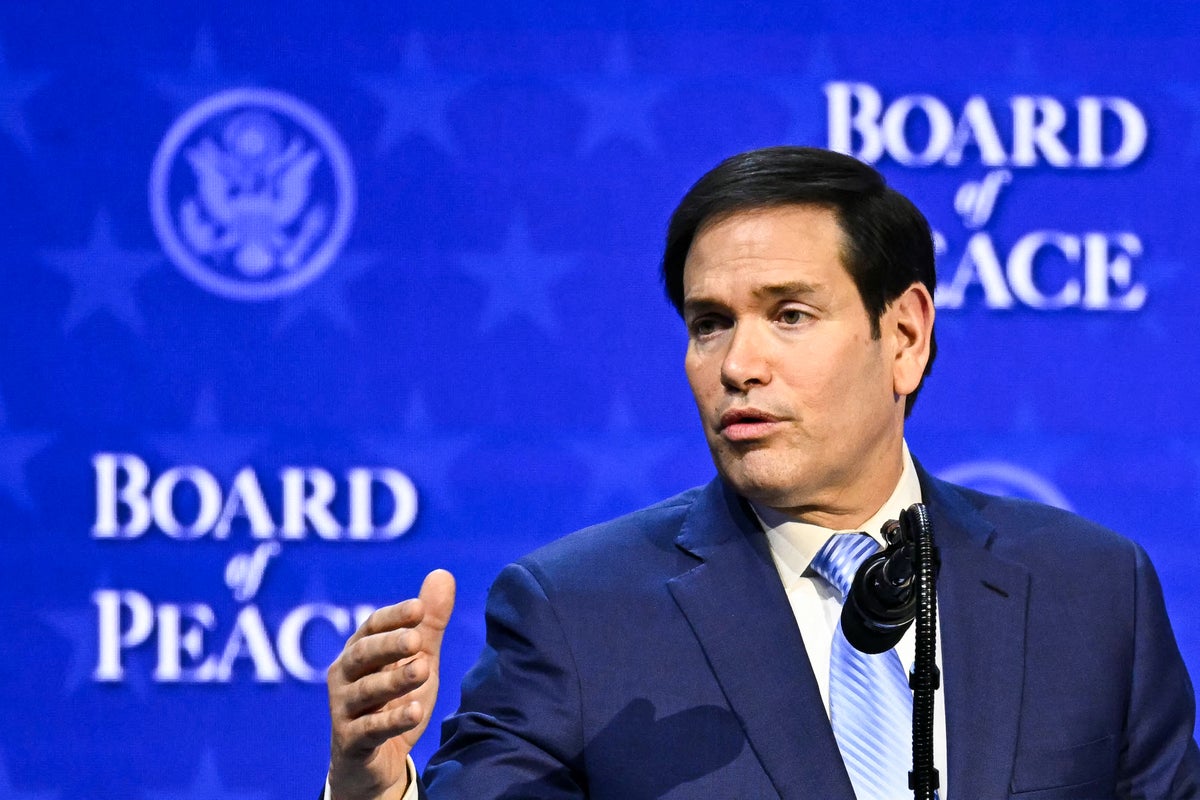
UPDATE: Secretary of State Marco Rubio has been confirmed to personally sanction the arrest and deportation of five international student activists advocating for Palestine, as revealed in newly unsealed documents from a federal judge. These revelations come amidst a significant legal battle accusing the Trump administration of retaliating against campus activists, raising urgent questions about First Amendment rights.
The documents were released following a ruling by District Judge William Young, who stated that Trump administration officials, including Rubio and Homeland Security Secretary Kristi Noem, conspired in an “unconstitutional” effort to suppress free speech on campuses. Judge Young emphasized that the students’ advocacy was protected under the First Amendment, stating, “I’ve never had a case that approached that level of consequence.”
The unsealed files detail how Rubio directed officials to target high-profile activists, including Columbia University student Mahmoud Khalil, before their arrests last year. Despite warnings from senior diplomats about the legal ramifications of targeting students for their speech, Rubio moved forward, citing national security concerns over alleged antisemitism and support for terrorism.
In a shocking twist, one internal memo related to arrested activist Mohsen Madhawi, a green card holder, indicated that courts would likely scrutinize the basis for his arrest due to the First Amendment protections surrounding his actions. This comes as the Trump administration has been accused of using a rarely invoked Red Scare-era law to justify these deportations based on perceived threats rather than actionable evidence.
Despite federal judges granting release from Immigration and Customs Enforcement (ICE) custody to four of the targeted students, including Rumeysa Ozturk and Badar Khan Suri, the administration continues efforts to re-arrest them. Just last week, officials threatened to deport Khalil to Algeria following a reversal by a federal appeals court.
The situation has escalated to alarming levels, with Judge Young criticizing the administration’s actions as a blatant infringement on constitutional rights. He expressed disbelief that high-ranking officials would engage in such practices, questioning how they rationalize infringing upon the rights of individuals lawfully residing in the U.S.
In public statements, Rubio has justified these arrests by claiming that the students’ activities undermine U.S. foreign policy. Yet, internal documents reveal that Homeland Security officials conceded there was little to no justification for deporting the students, acknowledging they had not identified “any alternative grounds” for removal.
As this situation develops, the legal battle intensifies, with advocates and attorneys for the students rallying against the administration’s actions. The implications of this case extend beyond the individuals involved, raising significant concerns about freedom of speech and the rights of international students in the U.S.
This urgent situation continues to unfold, and observers are watching closely as further legal actions are anticipated. The stakes are high, and the impact on students’ rights could resonate throughout the country.
Stay tuned for more updates as this story develops.