URGENT UPDATE: New revelations are surfacing about celebrated figures whose legacies are marred by deeply troubling actions. As public scrutiny intensifies, these icons—once revered—are now facing a reckoning for their past misdeeds.
Just announced are shocking details about well-known personalities like Steve Jobs, Hugo Boss, and Gandhi, who are celebrated today despite their controversial histories. This urgent exposé is igniting discussions about morality and legacy, compelling many to reassess their admiration for these figures.
Among the most striking revelations is that of Steve Jobs, co-founder of Apple and creator of the iPhone. While he is hailed as a visionary, his personal life was fraught with betrayal and neglect. Jobs reportedly withheld financial support from his first child’s mother and had strained relationships with those close to him. Furthermore, his decision to delay conventional cancer treatment in favor of alternative therapies ultimately cost him his life.
In the fashion world, Hugo Boss is notorious for his ties to the Nazi regime during World War II. His company produced uniforms for the SS and utilized forced labor, a dark chapter overshadowing the brand’s later success. Despite this history, the brand continues to thrive, raising questions about the ethics of its legacy.
The entertainment industry is not exempt from scrutiny. John Wayne, an American icon, openly expressed racist views and dismissed the struggles of marginalized communities. Meanwhile, Bing Crosby is remembered as a beloved entertainer, yet his harsh treatment of his first family paints a different picture of his character.
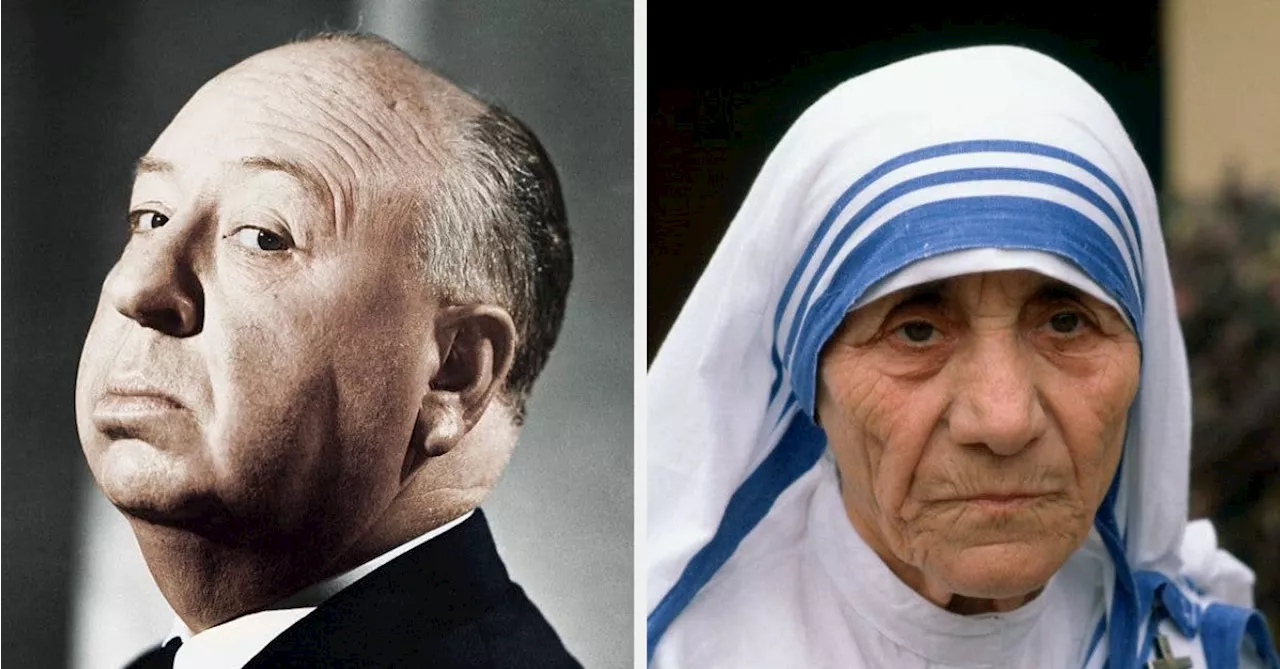
Even revered figures like Mother Teresa are facing criticism. Reports from former volunteers reveal that her charitable organization often failed to provide adequate medical care, challenging the narrative of her saintly image.
Additionally, artists like Pablo Picasso and Jerry Lee Lewis have left legacies tainted by abusive behavior toward women, with their troubling actions often overshadowed by their artistic contributions.
As the public grapples with these revelations, the conversation about the complexity of legacy is more urgent than ever. What happens next? Discussions surrounding these figures are likely to evolve, prompting a reassessment of how we honor those with such complicated histories.
Stay tuned for further updates as this story develops, and reconsider who we celebrate in our cultural narratives.