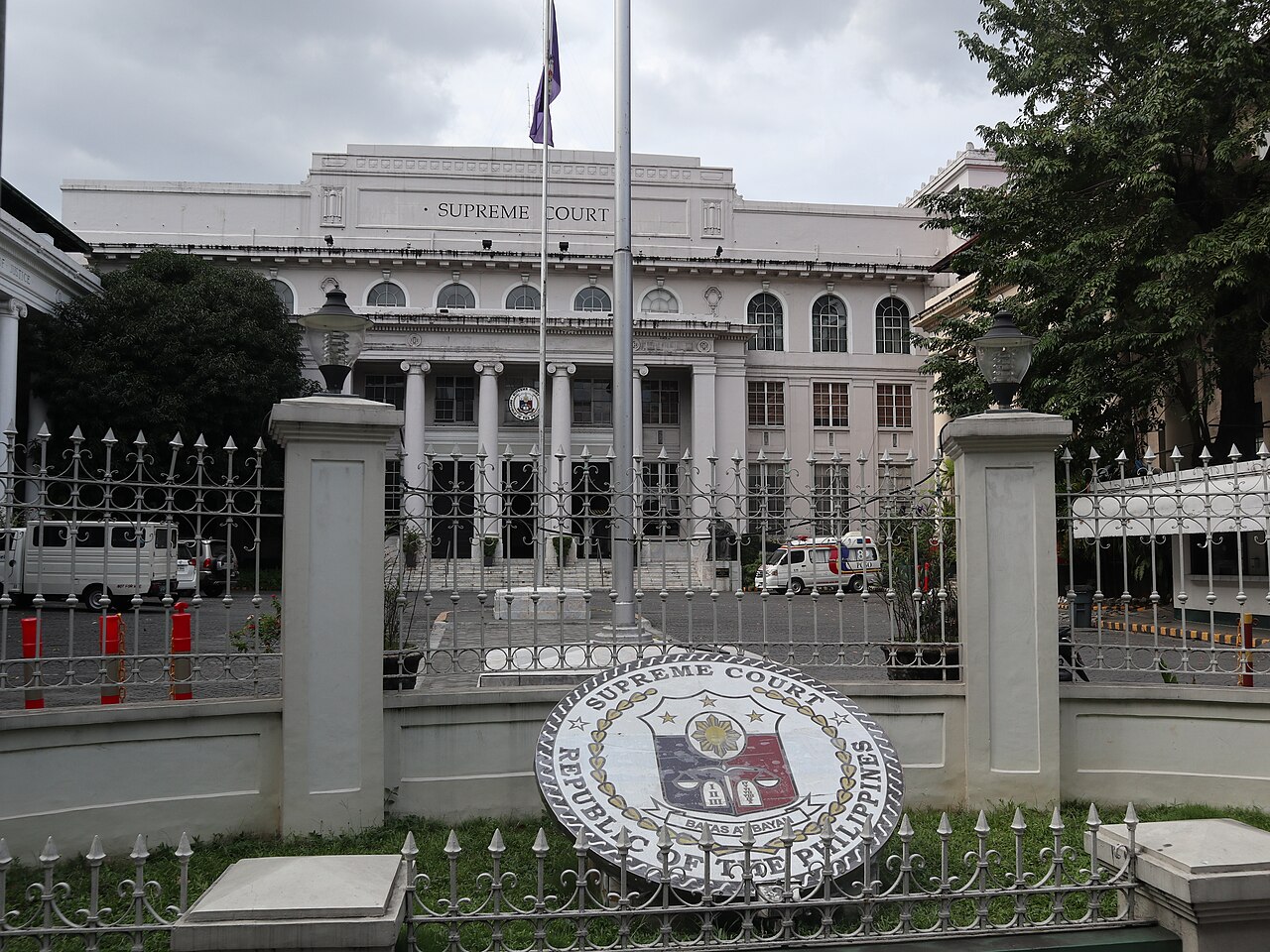
URGENT UPDATE: The Supreme Court of the Philippines has just confirmed a landmark ruling that recognizes the co-ownership claims of same-sex live-in partners. In a decision issued on February 5, 2025, the court has declared that same-sex partners living together may be acknowledged as co-owners of property acquired during their relationship, contingent upon proof of actual financial contribution.
This groundbreaking ruling is critical as it applies Article 148 of the Family Code, which governs property relations for couples who cohabit without the legal ability to marry, specifically addressing same-sex relationships in a nation where marriage is defined only between a man and a woman. The case, referenced as G.R. No. 267469, arose from a dispute between former partners over a residential property registered solely in one partner’s name.
The court’s Second Division found that the evidence presented, including a signed acknowledgment from the registered owner stating that the former partner contributed approximately half of the property’s acquisition and renovation costs, was sufficient to establish co-ownership. This decision reverses lower court rulings that previously dismissed the complaint due to inadequate proof of contribution.
Associate Justice Jhosep Y. Lopez, writing for the court, emphasized that under Article 148, properties acquired through actual joint contributions are owned in common, with each partner’s share proportionate to their proven contribution. This ruling not only resolves ownership disputes but also clarifies the legal standing of same-sex relationships amidst the ongoing absence of legal recognition for same-sex marriage in the Philippines.
Public reaction has been swift, with prominent figures such as singer-actor Ice Seguerra and filmmaker Liza Diño expressing their support for the ruling. Both have been vocal advocates for the rights of same-sex couples and have previously highlighted the legal hurdles faced by the LGBTQ+ community in the Philippines.
While this decision does not alter the statutory definition of marriage, it offers a vital framework for addressing property disputes arising from same-sex cohabitation. The ruling provides essential guidance to lower courts, ensuring that future cases are adjudicated fairly based on evidence of contribution rather than marital status.
As this story develops, it is crucial to monitor how this ruling impacts the rights of same-sex couples in the Philippines and what further legal changes might arise in response to increased advocacy for LGBTQ+ rights. The implications of this decision could pave the way for broader recognition and protections for same-sex couples in the future, making it a significant moment for social justice in the country.
Stay tuned for more updates on this evolving issue.