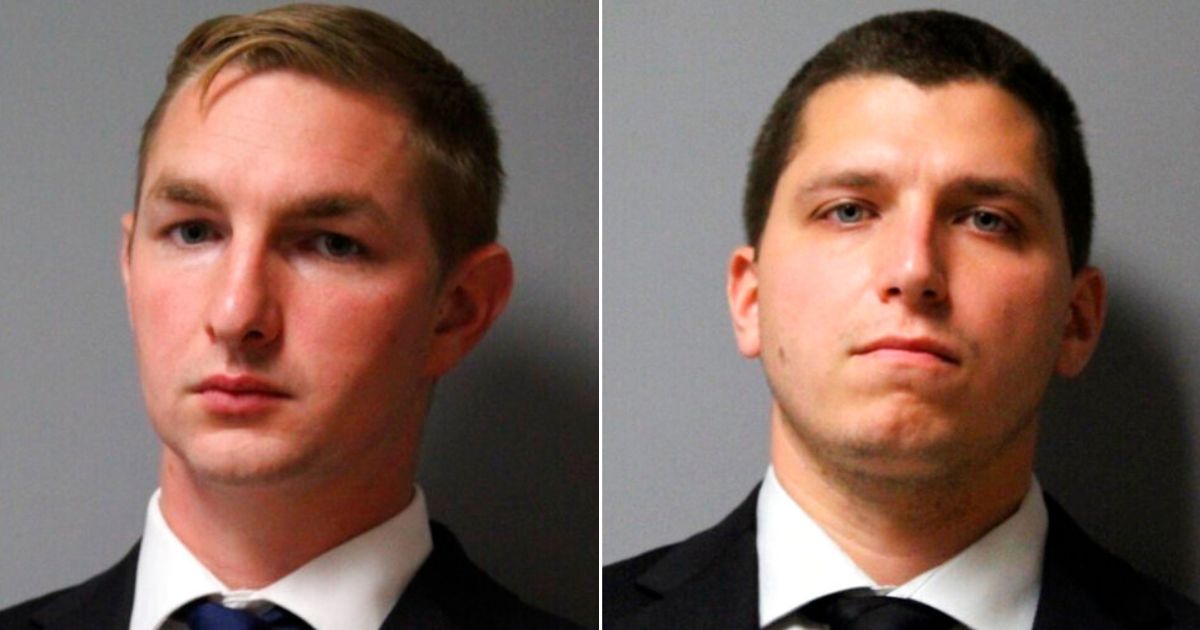
BREAKING: A Texas appeals court has just overturned the conviction of former Austin Police Officer Christopher Taylor, declaring him acquitted in the 2019 fatal shooting of Mauris DeSilva, an armed man in the midst of a mental health crisis. This urgent ruling, announced on Tuesday, has ignited fierce reactions from various stakeholders, particularly from officials in Travis County.
The appeals court’s decision comes as a significant blow to District Attorney Jose Garza, whose office prosecuted the case. The court cited “undisputed objective evidence” in its ruling, sharply criticizing the prosecution’s handling of the case. Taylor was originally convicted in October 2024 on charges of deadly conduct and faced up to two years in prison. He remained free pending appeal.
The incidents leading to this legal battle unfolded on July 31, 2019, when officers responded to a report of a man holding a knife to his throat. According to body camera footage, DeSilva, a 46-year-old biomedical engineering researcher, confronted officers with the knife after they emerged from an elevator. The court highlighted the immediate threat posed by DeSilva, noting that he failed to comply with commands to drop the weapon and advanced toward the officers.
Judge Alex Yarbrough of the Seventh Circuit Court of Appeals stated that the officers had no meaningful avenue for retreat and had to act in a split-second situation. He emphasized that “the law does not require officers to interpret such conduct as compliance or to wait until an attack is completed before responding.” This ruling has sparked a heated debate regarding police conduct and the legal standards for use of force.
The Austin Police Association lauded the ruling, condemning Garza for what they described as manipulation of the criminal justice system. The union stated that the appeals court’s decision demonstrates that district attorneys cannot create their own version of justice that deviates from state law.
In stark contrast, Garza’s office has signaled plans to appeal the ruling, arguing that the appellate judges “think they know better” than the jurors who initially convicted Taylor. They are committed to challenging the decision, asserting that the reversal is absurd and undermines the jury’s findings.
This case has attracted national attention, particularly in the wake of the ongoing discourse surrounding police conduct and accountability. The ruling is a significant chapter in a broader narrative about law enforcement practices in the United States, especially following the high-profile cases that have rocked the nation since 2020.
With the appeals court’s decision now in place, the next steps for both Taylor and the prosecution remain unclear. Taylor’s legal representatives are optimistic about the ruling, underscoring the lack of consistency in the treatment of the officers involved in the incident.
As this story develops, the implications for law enforcement policies and community relations in Austin and beyond will be closely monitored. The legal landscape surrounding police accountability is evolving, and the outcome of future appeals and potential retrials could have lasting effects on public trust and safety.
Stay tuned for more updates on this developing story, as it continues to unfold and capture widespread attention across the nation.