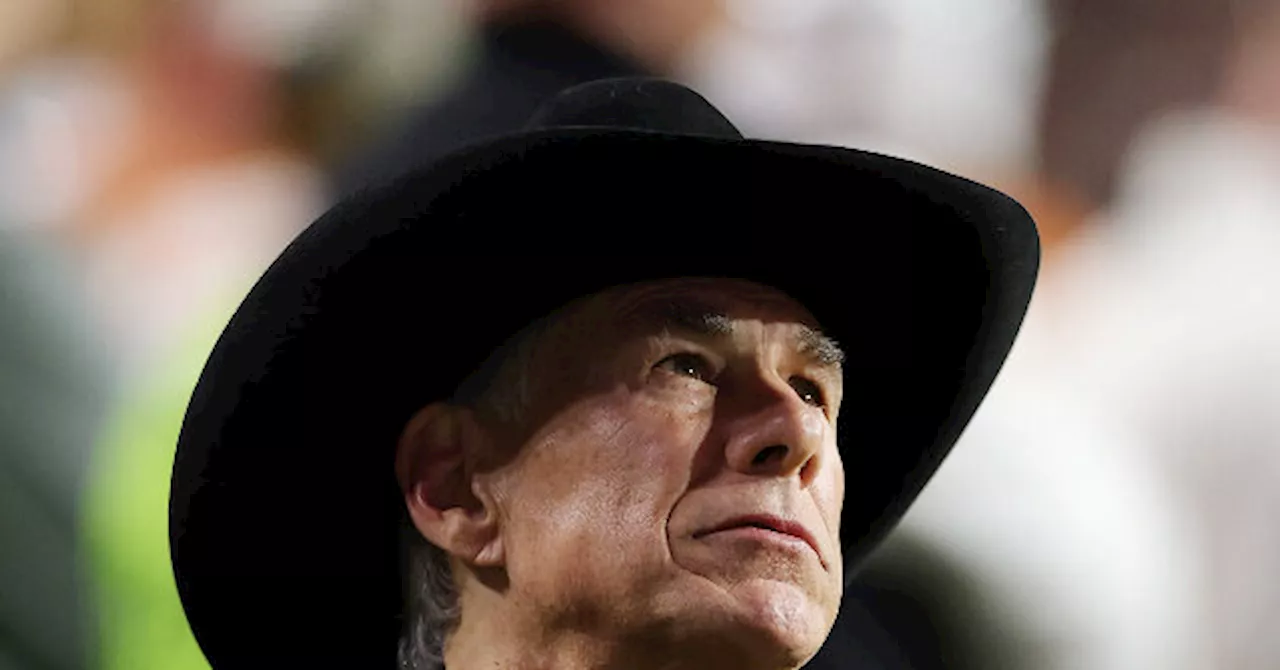
BREAKING: Texas Governor Greg Abbott has just designated the Council on American-Islamic Relations (CAIR) as a terrorist organization, igniting fierce backlash and a lawsuit that is poised to challenge free speech and religious rights in the state. This controversial move, announced in November 2023, also names the Muslim Brotherhood as a foreign terrorist organization.
Governor Abbott’s proclamation claims that both groups aim to impose Sharia law and promote terrorism globally. He emphasized their actions as unacceptable, stating they undermine laws through violence, intimidation, and harassment. Abbott’s administration asserts that these radical extremists will be barred from acquiring property in Texas, raising alarms about potential violations of civil liberties.
In response, CAIR has filed a lawsuit against Abbott and Texas Attorney General Ken Paxton, asserting that the designation is politically motivated. CAIR’s legal team argues that Abbott is trying to silence criticism of Israel, dubbing him an “Israel First politician.” They vow to continue their advocacy efforts despite what they term as smear campaigns against their organization.
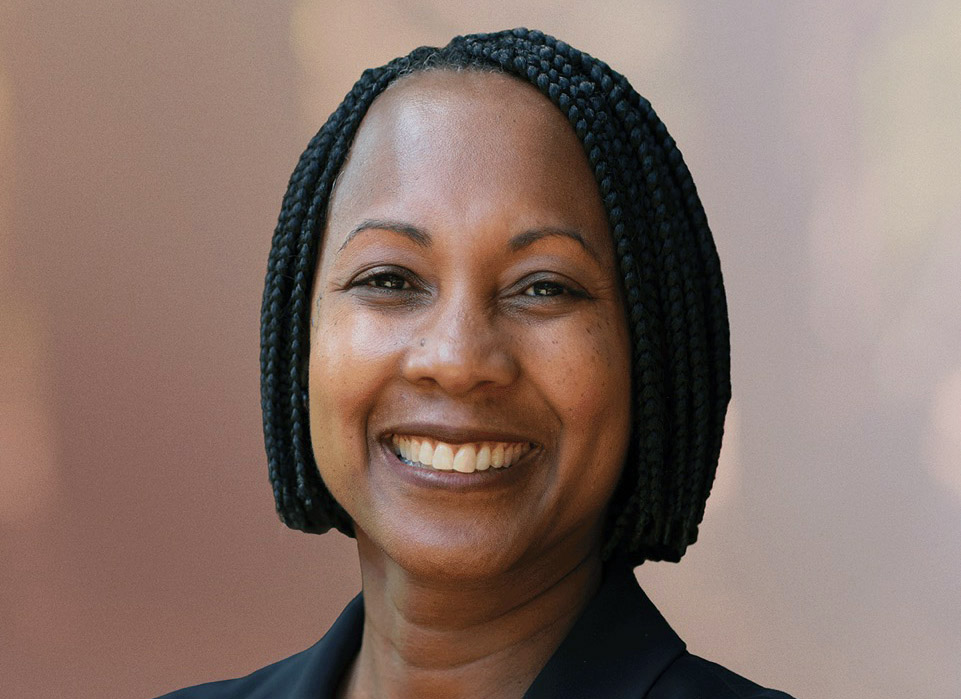
The backlash has been swift and widespread. Criticism has come from various leaders and organizations, including Jewish Voice for Peace, which voiced solidarity with CAIR, calling Abbott’s proclamation “false and unconstitutional.” Activists, including Mustafaa Carroll, CAIR-Dallas Fort Worth’s executive director, have condemned the decision as an attack on the rights of American Muslims to express their views on political matters.
The implications of Abbott’s designation extend beyond legal battles. Critics warn that such actions could foster discrimination and violence against the Muslim community in Texas. Concerns are mounting over the chilling effect this could have on free speech, particularly regarding the rights of minority groups to challenge government policies.
Abbott’s office clarified that the proclamation enhances enforcement measures against CAIR and its affiliates, allowing state authorities to restrict their activities further. This development has amplified discussions surrounding the intersection of national security, religious freedom, and political rhetoric, highlighting the complexities of this sensitive issue.
As the situation unfolds, the broader implications on trust between the state government and the Muslim community in Texas remain uncertain. The reactions from various stakeholders are likely to shape the political landscape in the state, raising pivotal questions about civil liberties and the role of advocacy organizations in a democracy.
The controversy surrounding Abbott’s declaration is not isolated. It echoes nationwide discussions about immigration, religious freedom, and the treatment of minority groups. As the legal battle intensifies, many are watching closely to see how this will impact the civil rights landscape in Texas and beyond.
This developing story is expected to garner significant attention as it progresses through the courts and public discourse. Stay tuned for updates on this urgent situation that could redefine the relationship between government and minority advocacy in the United States.