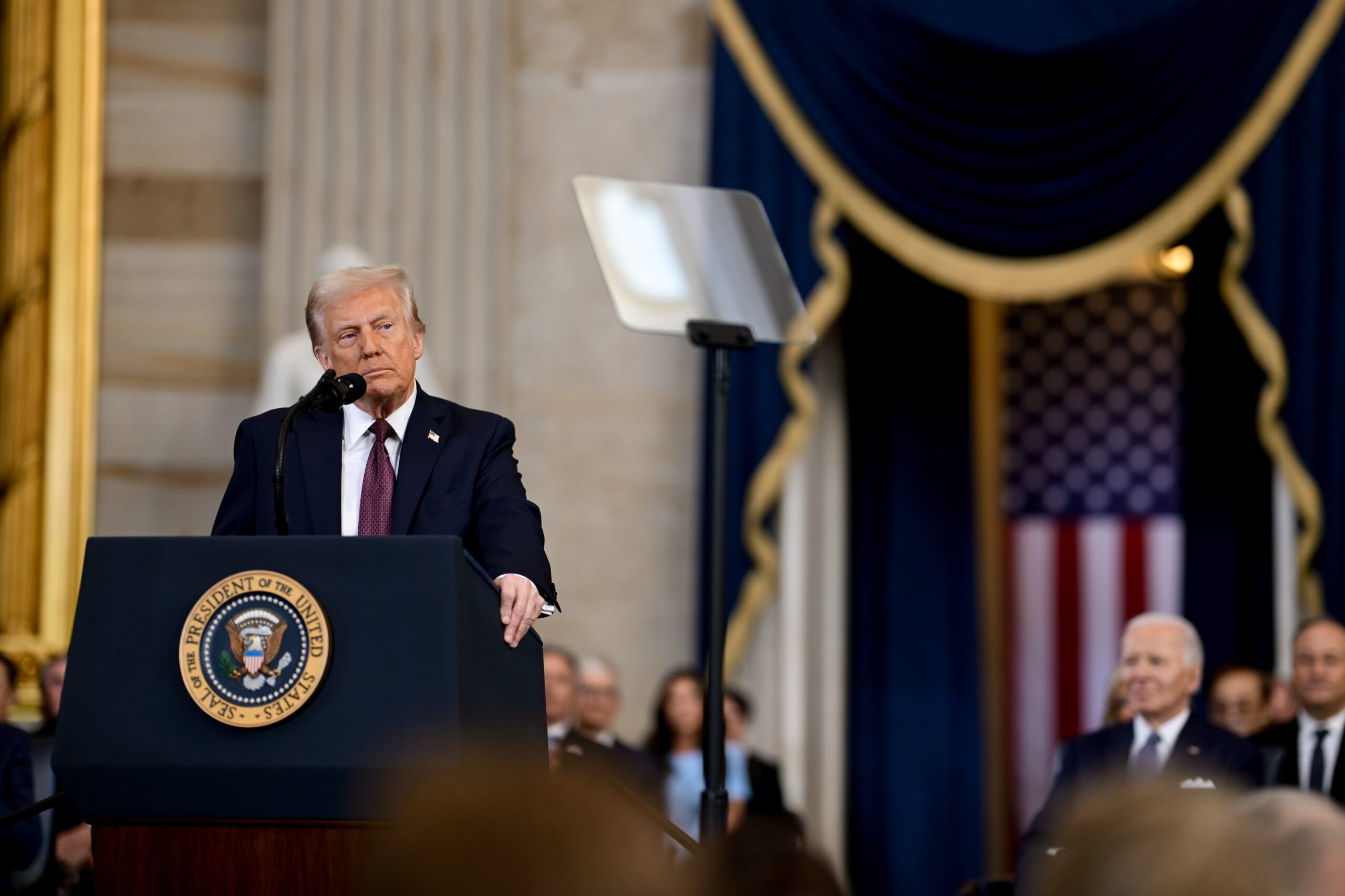
URGENT UPDATE: The Trump administration has just announced a controversial overhaul to federal employee classification, making it significantly easier to terminate public servants. This drastic change, revealed by the Office of Personnel Management (OPM) on Thursday, introduces a new category called “Schedule Policy/Career,” which allows the president to fire employees in key policy-influencing roles with fewer procedural hurdles.
The new rule applies primarily to positions that are “confidential, policy-determining, policy-making, or policy-advocating.” These roles could include senior policy analysts and regulatory affairs specialists. Employees reclassified under this category will lose traditional adverse action procedures and appeal rights typically associated with disciplinary actions. This change raises concerns about job security for thousands of federal workers as the administration pushes for greater accountability.
Why This Matters NOW: With approximately 50,000 positions suggested for reclassification, as reported by OPM Director Scott Kupor, this move could impact about 2 percent of the entire federal workforce. The OPM received a staggering 40,500 comments during the public comment period, with a striking 94 percent opposing the proposed regulation. This regulatory shift could empower the executive branch to dismiss employees for reasons that previously required more extensive justification.
Kupor defended the rule, stating that it is designed to eliminate procedural impediments that hinder the accountability of career officials. He remarked, “People are free to agree or disagree with obviously any of the priorities that any president has.” However, he cautioned that employees who undermine these priorities could face termination, stirring fears of political loyalty overshadowing merit-based employment.
This rule is expected to be published in the Federal Register today, marking a significant change in federal employment practices. Critics argue that this regulation could allow the administration to fill positions with loyalists rather than individuals selected based on qualifications and experience.
As the implications of this new policy unfold, federal employees and advocates are left anxiously awaiting how this will affect their rights and job security. The rule’s critics are calling for a review and possible reversal, emphasizing the importance of protecting whistleblowers and maintaining accountability in government.
What to Watch Next: The impact of this regulation will likely be felt across various federal agencies. Observers are urged to monitor how agencies implement the new classifications and whether legal challenges arise in response to this controversial move. As the situation develops, the conversation surrounding federal employment rights and protections is sure to intensify.