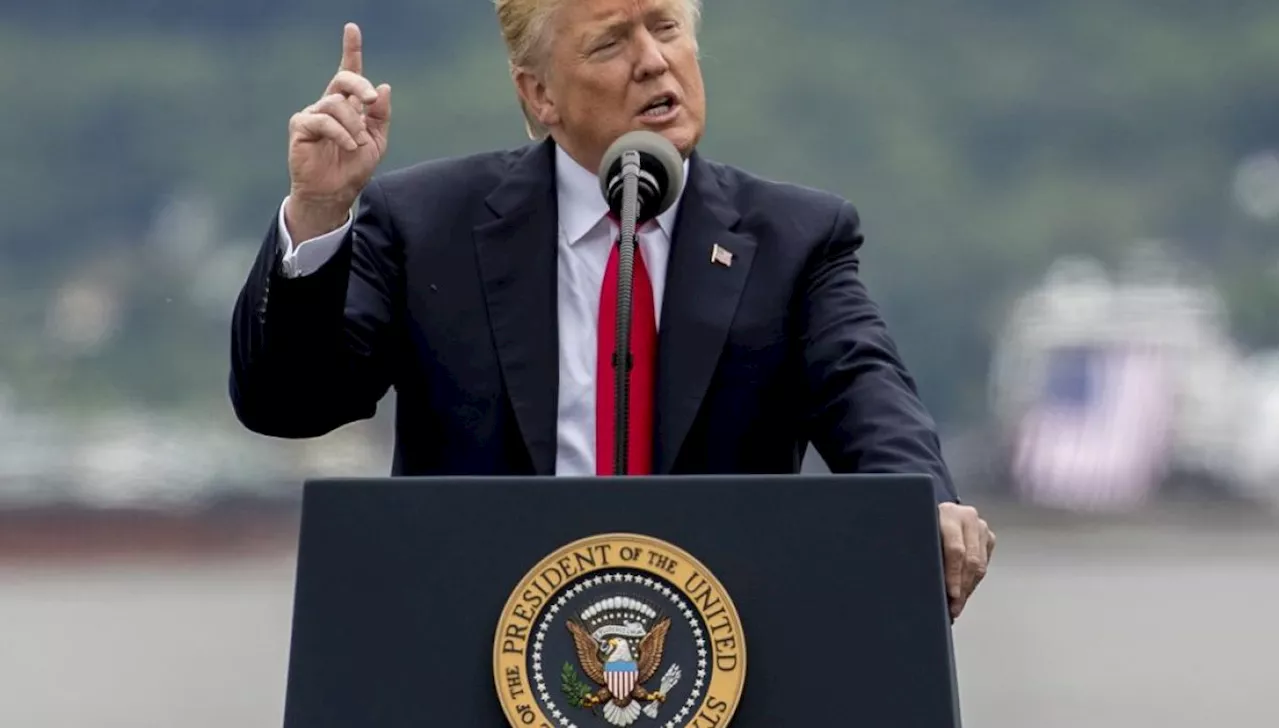
UPDATE: President Donald Trump has just signed a proclamation expanding the travel ban to a total of 17 countries, citing urgent national security concerns. This significant move includes new restrictions on five additional nations and strengthens existing limitations as officials aim to prevent potential threats to the United States.
The latest proclamation, announced earlier today, specifically adds Burkina Faso, Mali, Niger, South Sudan, and Syria to the existing list of restricted countries. The original restrictions, first imposed in June, remain in force for 12 nations, including Afghanistan, Iran, Libya, and Yemen.
According to the White House, these measures are deemed necessary to mitigate risks posed by foreign nationals for whom the U.S. lacks adequate information. The administration cites instances of “widespread corruption, fraudulent documents, and criminal records” as rationale for the expansion.
This announcement comes in the wake of a recent shooting involving two National Guard members near the White House, raising alarms about security and immigration vetting processes. Following the incident, Trump announced intentions to implement a “full travel ban” from countries identified as “flooding” the U.S. with individuals deemed dangerous.
Additionally, the proclamation prohibits entry for individuals holding travel documents issued by the Palestinian Authority, further tightening the restrictions. Another 15 countries are also facing partial travel bans, which include Angola, Nigeria, and Zimbabwe.
The implications of this expanded travel ban are significant, affecting thousands of individuals seeking entry into the United States. The move has drawn both support and criticism, with some arguing it is an effective measure for national security, while others decry it as discriminatory.
As the situation develops, observers are encouraged to watch for further announcements from the Trump administration regarding the enforcement of these new restrictions. The global impact of this decision highlights ongoing debates surrounding immigration, security, and international relations.
Stay tuned for more updates as this story unfolds.