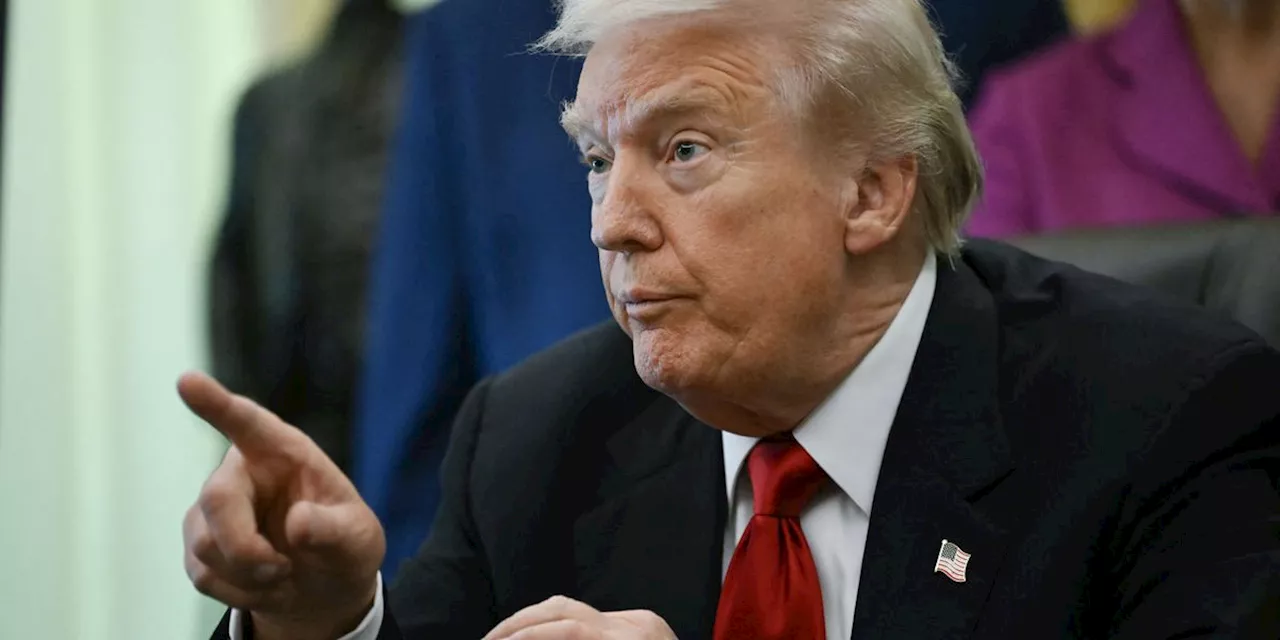
UPDATE: Following a major defeat for Republicans in the recent elections, former President Donald Trump is urgently pivoting to an ‘affordability’ message that echoes the successful campaign of newly elected New York City Mayor Zohran Mamdani. In a surprising shift, Trump has begun emphasizing affordability—a term he had never used throughout his decade-long presence on Twitter/X—since the election on November 2, 2023.
As Democrats secured victories across key states from Virginia to California, Trump remarked that Republicans have failed to address affordability, saying, “They have this new word called affordability.” In a bold claim, he insisted, “2025 Thanksgiving dinner under Trump is 25% lower than 2024 Thanksgiving dinner under Biden, according to Walmart.” However, his assertions are under scrutiny as energy prices have surged by 10% since he took office, contradicting his claims of lower costs.
Trump’s rhetoric comes at a critical time as inflation remains a pressing issue, with a reported 2.9% yearly increase in August. His recent statements, including a false assertion that gasoline prices are nearing $2 per gallon, reflect a desperate attempt to regain support as his approval rating has plummeted to an all-time low of 39%, with disapproval at 58%.
The affordability crisis has been exacerbated under Trump’s policies. Grocery prices have soared by 2.7% since he took office, with tariffs on imports like coffee and bananas contributing to increased costs. Moreover, his immigration policies have depleted the agricultural labor force, resulting in supply shortages and higher prices for consumers.
Conversely, Mayor Mamdani’s agenda includes proposals aimed at directly addressing New York’s housing crisis, such as rent freezes and free public transit. As he prepares to assume office, his outsider status and innovative policies stand in stark contrast to Trump, who has downplayed the rising costs faced by American families.
Amidst a historic government shutdown, Trump’s commitment to affordability is called into question. Millions of Americans are set to face skyrocketing health insurance premiums as negotiations to extend Affordable Care Act tax credits stall. The shutdown has also endangered food assistance for 42 million Americans, with potential cuts of 61% to SNAP benefits looming.
Experts warn that Trump’s energy policies, including the repeal of crucial tax credits for renewable energy, will exacerbate future price increases. States that have not prioritized clean energy could see electricity prices rise nearly 10% higher by 2029.
As Trump attempts to reframe his narrative, the significant disconnect between his policies and the realities facing everyday Americans is becoming increasingly evident. With Trump’s approval ratings crumbling, it remains to be seen whether this new focus on affordability can resonate with voters or if it will fall flat amidst the ongoing economic challenges.
For now, the implications of his shift in messaging will be closely monitored as the political landscape continues to evolve.