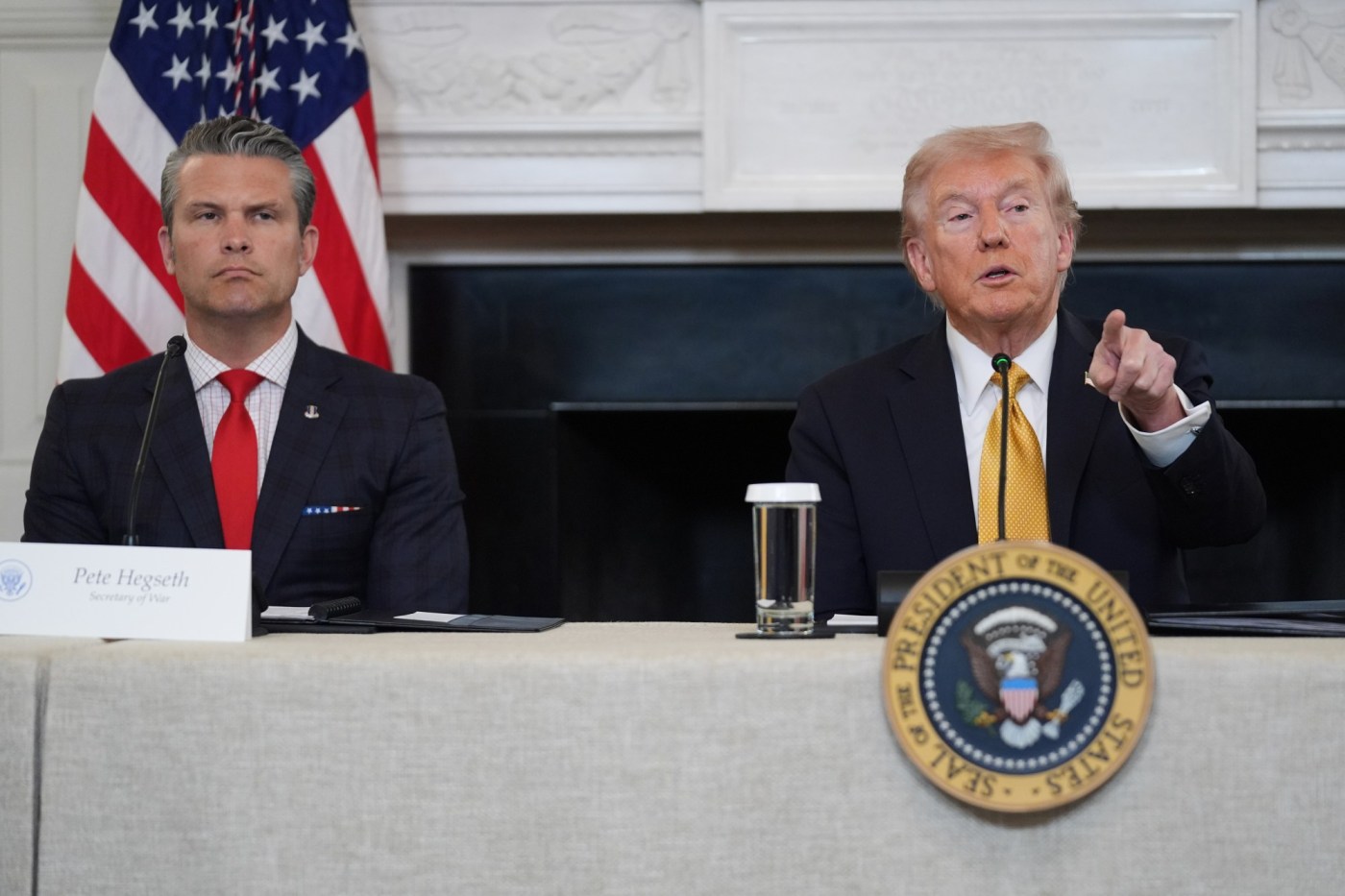
URGENT UPDATE: The U.S. military has conducted airstrikes on alleged drug boats in the Caribbean, resulting in a staggering 76 confirmed deaths as of Sunday. This escalation has raised immediate concerns over the legality and morality of these actions, prompting international scrutiny.
Sources confirm that the United Kingdom, a key ally, has restricted intelligence sharing with the U.S. amid fears of complicity in these controversial strikes. The United Nations Human Rights Council has condemned the operations, labeling them as extrajudicial killings under international law.
This situation raises two critical questions: Do authorities possess sufficient intelligence to justify targeting these vessels, and is it legally permissible to kill individuals suspected of drug trafficking without arresting them? Legal experts increasingly argue that even if drug trafficking is suspected, the appropriate course of action should be arrest and trial, not execution.
The Pentagon has declined to provide concrete evidence supporting claims that those aboard the boats were involved in drug trafficking. Admiral Alvin Holsey, the commander of U.S. Southern Command overseeing these operations, has reportedly resigned, raising further alarm. According to The New York Times, he expressed concerns regarding the legality and justification behind the airstrikes.
Adding to the controversy, two alleged drug traffickers—an Ecuadorian and a Colombian—were captured following airstrikes but subsequently returned to their home countries without prosecution. This raises serious questions about the integrity of the military’s operations and whether they possess enough evidence to warrant lethal force.
Critics argue that under the current administration, the standards for justifying lethal actions are alarmingly low. The ethical implications of such policies contribute to a growing perception that human life is being devalued and that the military is operating with a reckless disregard for legal norms.
As international responses continue to unfold, the implications of these military actions are profound. Analysts are watching closely to see how U.S. policies may shift in response to this escalating situation, and what legal ramifications may follow. The global community is calling for accountability and clarity on the U.S. military’s operations in the Caribbean.
Next Steps: The U.S. government faces mounting pressure to provide transparency regarding the intelligence used to justify these strikes and to clarify its strategies moving forward. The world will be watching to see how this situation develops and what measures will be taken to ensure compliance with international law.
This urgent story highlights the critical intersection of military action and human rights, raising essential questions about the value of life and the implications of military policies in the fight against drug trafficking. As more details emerge, the international community’s response will be pivotal in shaping future actions.