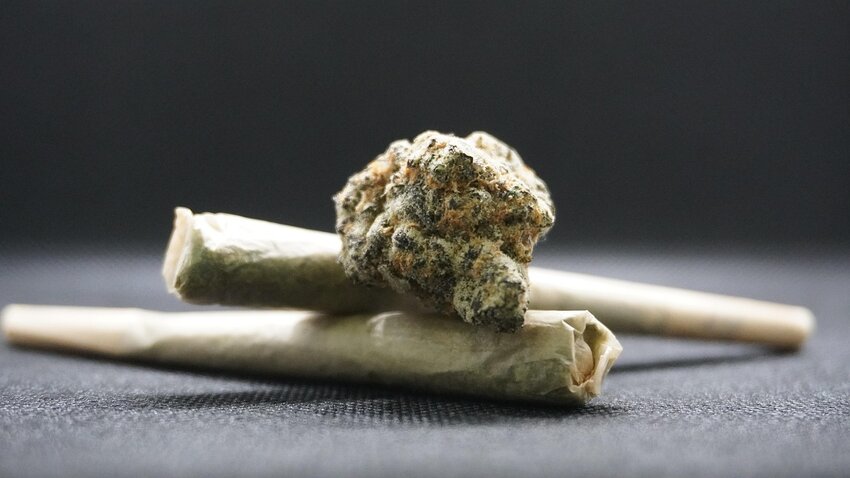
UPDATE: Residents in Washington State are facing urgent challenges regarding cannabis smoke from neighbors, sparking questions about legal rights and community health. As recreational cannabis has been legal for over a decade, complaints about secondhand smoke are on the rise.
Residents are increasingly asking, “Can I call the police on my neighbor for cannabis smoke?” Washington law permits individuals aged 21 and older to use cannabis on private property, but the implications of smoking near others can lead to serious conflicts.
According to the Washington State Liquor Control Board, individuals can consume cannabis openly in their residences, provided property owners permit it. However, landlords have the authority to impose rules regarding smoking both inside and outside their establishments. If a neighbor’s smoke drifts into your yard, the situation becomes complex, especially if both parties occupy individually owned properties.
Public consumption of cannabis is illegal in Washington, meaning using cannabis on sidewalks, in public parks, or while hiking is prohibited. If you’re affected by cannabis smoke, your first step should be to assess your living situation. If both you and your neighbor live in rental properties, contacting the landlord might be a viable option.
In cases where both neighbors own their properties, it may be challenging to restrict cannabis usage. Residents are encouraged to resolve disputes amicably before involving authorities. Clark County Public Health suggests reaching out to your neighbor directly to discuss the issue. A simple conversation might lead to a compromise, such as the neighbor consuming cannabis in a different area of their home.
For those living in smoke-free designated areas, it’s crucial to inform your landlord if smoking policies are not enforced. Resources from the Tenants Union of Washington State provide guidance for tenants facing such challenges.
If smoke continues to infiltrate your space, mediation can be an effective resolution. Both local dispute resolution centers and community boards can facilitate conversations aimed at finding common ground.
In extreme cases, legal action is a last resort. Residents must prove that the smoke constitutes a “private nuisance,” which can be difficult to substantiate. If you can demonstrate that the smoke has harmed your property or jeopardized the health and safety of others, legal avenues may be pursued.
It’s important for both parties to understand their rights and responsibilities. If you’re a cannabis consumer, be mindful of how your usage may affect your neighbors. Smoking in private spaces does not guarantee freedom from complaints, especially if it impacts others’ well-being.
As the situation evolves, residents of Washington State are urged to stay informed about their rights and to approach these sensitive issues with understanding and communication. For more information on handling disputes related to cannabis smoke, visit the resources provided by Clark County Public Health and the Tenants Union of Washington State.
Stay tuned for further updates as this issue develops, impacting countless residents across the state.