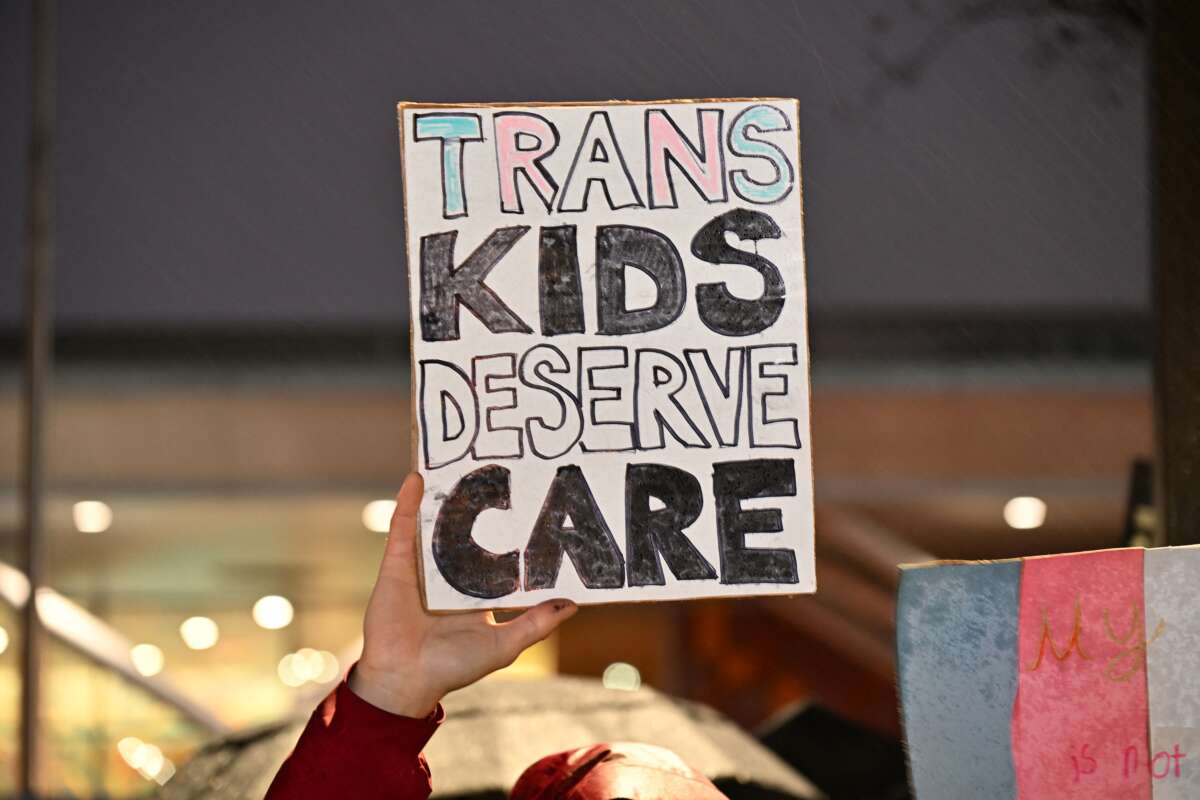
UPDATE: A new federal rule proposed by the Trump administration threatens to cut off Medicaid funding to hospitals providing gender-affirming care, jeopardizing access for countless transgender youth. The rule is currently in a 60-day public comment period and could lead to major healthcare disruptions across the United States.
This alarming development follows a pattern of escalating threats from the administration targeting healthcare systems, with significant implications for trans youth. As the rule stands, any hospital or clinic accepting Medicaid would be barred from offering essential gender-affirming treatments, effectively forcing many to cease operations altogether. In a landscape where 27 states already restrict gender-affirming care, this new policy could create a healthcare crisis for vulnerable youth.
In response, the Trans Youth Emergency Project (TYEP) has stepped up to provide critical support for families navigating this chaotic healthcare environment. TYEP is focused on connecting parents of transgender youth with independent clinics that may not be impacted by the impending rule. These clinics often operate without Medicaid and may offer the only remaining option for many families seeking care.
“This is urgent,” said TYEP organizer Adam Polaski. “We have the capacity to help families find alternative providers and navigate this challenging landscape.” The organization is also offering travel assistance grants of $500 to help families reach clinics that can still provide necessary medical services.
The proposed rule does not include protections for those already receiving care, meaning many youth could face sudden medical detransition unless they secure alternative providers quickly. Observers warn that preemptive compliance by hospitals could lead to early service closures, exacerbating an already fragile healthcare system for transgender youth.
Despite the uncertainty, there is hope as some independent clinics are quietly preparing to meet the surge in demand. Major cities like New York and California are seeing local initiatives to funnel resources into independent care, but many families are still left in the dark, waiting for accessible appointments.
Polaski emphasized the importance of community support, stating, “We want everyone to reach out, regardless of their situation. Every request matters, and we are here to help.” He drew parallels to the grassroots efforts seen in the abortion access movement, indicating that a strong support network for trans healthcare is vital in the face of these new challenges.
As the public comment period unfolds, families are urged to act quickly. The rule change has not yet taken effect, but the anxiety it has caused is palpable. Hospitals are already discussing potential closures, and the fear of losing access to care is driving families to seek out resources like TYEP.
For families affected by these changes, the TYEP offers an intake form for personalized assistance and guidance. As the healthcare landscape shifts dramatically, organizations like TYEP are essential in helping families navigate a future that remains uncertain for transgender youth.
The clock is ticking, and families must remain vigilant as the situation develops. Access to critical healthcare could hinge on swift action and community support in the coming weeks. Share this information widely to ensure that those in need know where to turn for assistance.