UPDATE: A wave of urgent concern is sweeping through the Jewish community following a series of antisemitic incidents, including a recent attack during Chanukah celebrations in Manchester. Attendees were met with an unsettling sight: armed police guarding a peaceful menorah lighting. This incident underscores a grim reality—many feel that celebrating their faith now comes with a fear for their safety.
Witnesses report that the atmosphere was heavy with tension rather than the expected warmth of communal joy. One attendee, Sharon Scully from Bootle, expressed her deep sadness over the necessity of police presence, stating, “No one should have to celebrate their faith while fearing for their safety.” Her heartfelt message resonated widely, as it reflects the shared sentiment of solidarity among non-Jewish allies who stand against rising antisemitism.
As the community grapples with these alarming trends, Jeffrey Leader MBE from Loughton raised critical concerns regarding the effectiveness of protests against antisemitism. He noted that the turnout for these demonstrations has been disappointingly low, suggesting a potential apathy among the public. “Our protests lack the vitality and urgency required to effect real change,” he lamented.
Leader’s call for stronger leadership is echoed by many who feel fragmented and ineffective in their response. He urged the community to reinvigorate their activism, stating, “The challenges we face demand a response that is passionate and united.”
In a strikingly different perspective, Jack Cohen from Beersheva advocates for a solution rooted in Zionism, citing his personal experiences with antisemitism. He argues that the only effective response to escalating violence is for Jews to make aliyah to Israel, where he believes safety is more assured. “In Israel, Jews can walk in the streets without fear,” he asserted, contrasting his life there with the dangers faced in Western democracies.
Meanwhile, political figures are also facing scrutiny. Sir Keir Starmer has been criticized for a perceived lack of action against antisemitism, particularly following his public menorah lighting, which many see as insufficient to quell Jewish anger over recent events. Critics argue that symbolic gestures are not enough to address the real issues at hand.
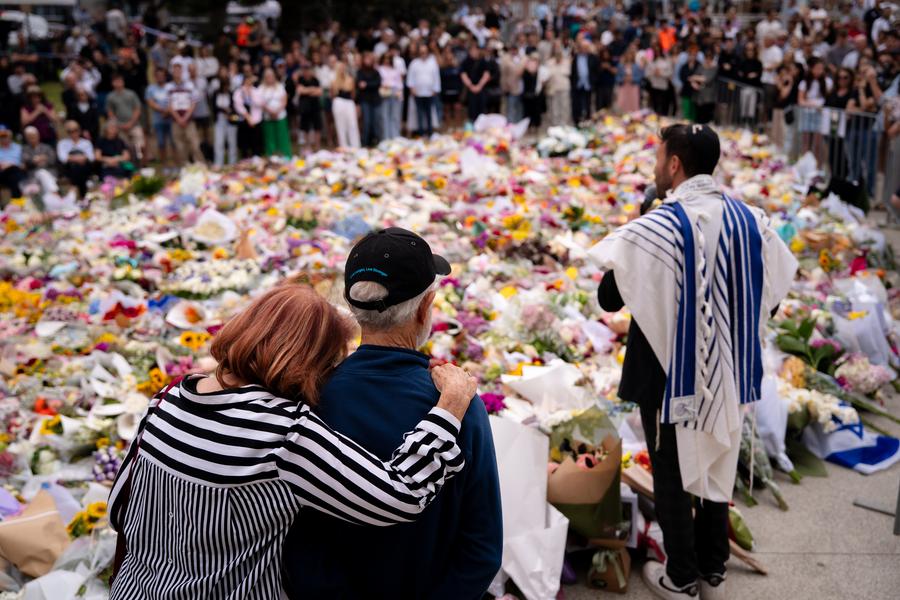
These developments highlight a community at a crossroads. The escalating violence, demonstrated by tragic incidents such as the massacre at Bondi Beach, has amplified the urgency for a cohesive and robust response to antisemitism.
As calls for action grow louder, the Jewish community and its allies remain determined to push back against hatred and discrimination. The overarching message is clear: antisemitism is not just a Jewish issue; it is a human one that demands collective action and unwavering support.
Next steps: Watch for planned protests and community gatherings aimed at addressing antisemitism. The message is one of resilience, unity, and the urgent need for change in the face of rising hatred.