BREAKING: A major transformation is occurring within New York City’s Democratic congressional delegation as multiple key members announce retirements or face challenges from a new wave of progressive candidates ahead of the 2026 elections. This shift is reshaping the political landscape and igniting discussions about the future of the Democratic Party.
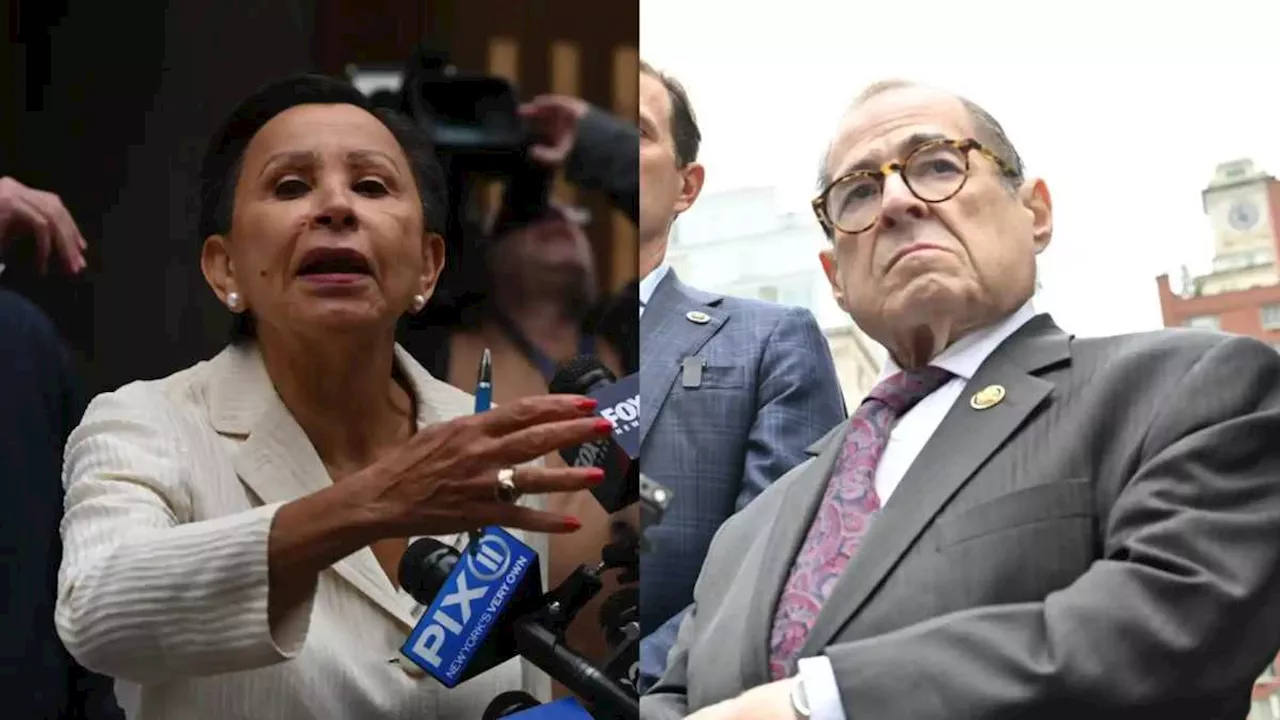
U.S. Representative Nydia Velázquez, representing parts of North Brooklyn and Western Queens, has confirmed her decision to step aside, becoming the second long-serving incumbent to announce retirement, following Jerry Nadler. Both lawmakers have served in Congress for over 30 years and are now passing the torch to a younger generation.
This changing of the guard reflects not only personal decisions but also a broader ideological battle within the Democratic Party, particularly in the wake of Donald Trump’s 2024 presidential victory. Progressive strategist Camille Rivera emphasized the aging demographic of the current Congressional members, noting that many feel it’s time for fresh leadership. “Age isn’t just a number; it is also a factor in the current sea change,” Rivera stated.
Velázquez expressed her belief that now is the right moment to allow new leaders to emerge. “I love this work and my district, but I believe it’s time for a new generation of leaders,” she said. This sentiment echoes a wider recognition among seasoned politicians that the party must adapt to the interests and energies of younger constituents.
Upcoming contenders for these seats include Micah Lasher, a millennial and a protégé of Nadler, as well as other candidates from the Gen Z demographic. Their campaigns signal a shift towards a more youthful and progressive representation in Congress.
Political expert Basil Smikle pointed out that the retirements of Velázquez and Nadler highlight a growing acknowledgment within the party that leadership should reflect a changing electorate. “It’s about capturing the enthusiasm and momentum from these young voters,” he noted, emphasizing the need for elected officials who truly represent their communities.
As the political climate evolves, experts believe that these primary challenges against incumbents can stimulate healthy debate within the party. Political scientist John Mollenkopf remarked on the increasing difficulty faced by long-time Democrats, particularly in a minority position under a Republican administration. “Why persist in a job where all your past efforts have been stymied?” he questioned.
With the 2026 midterms on the horizon, all eyes will be on how these shifts impact New York City’s representation in Congress and the broader implications for the Democratic Party nationally. The urgency of this transition is palpable, as established leaders yield to new voices eager to redefine the party’s future.
As developments continue to unfold, the upcoming months will be critical in shaping the political landscape of New York and the Democratic Party at large. Velázquez and Nadler’s retirements are not just personal milestones; they mark the end of an era and the beginning of a new chapter in American politics.