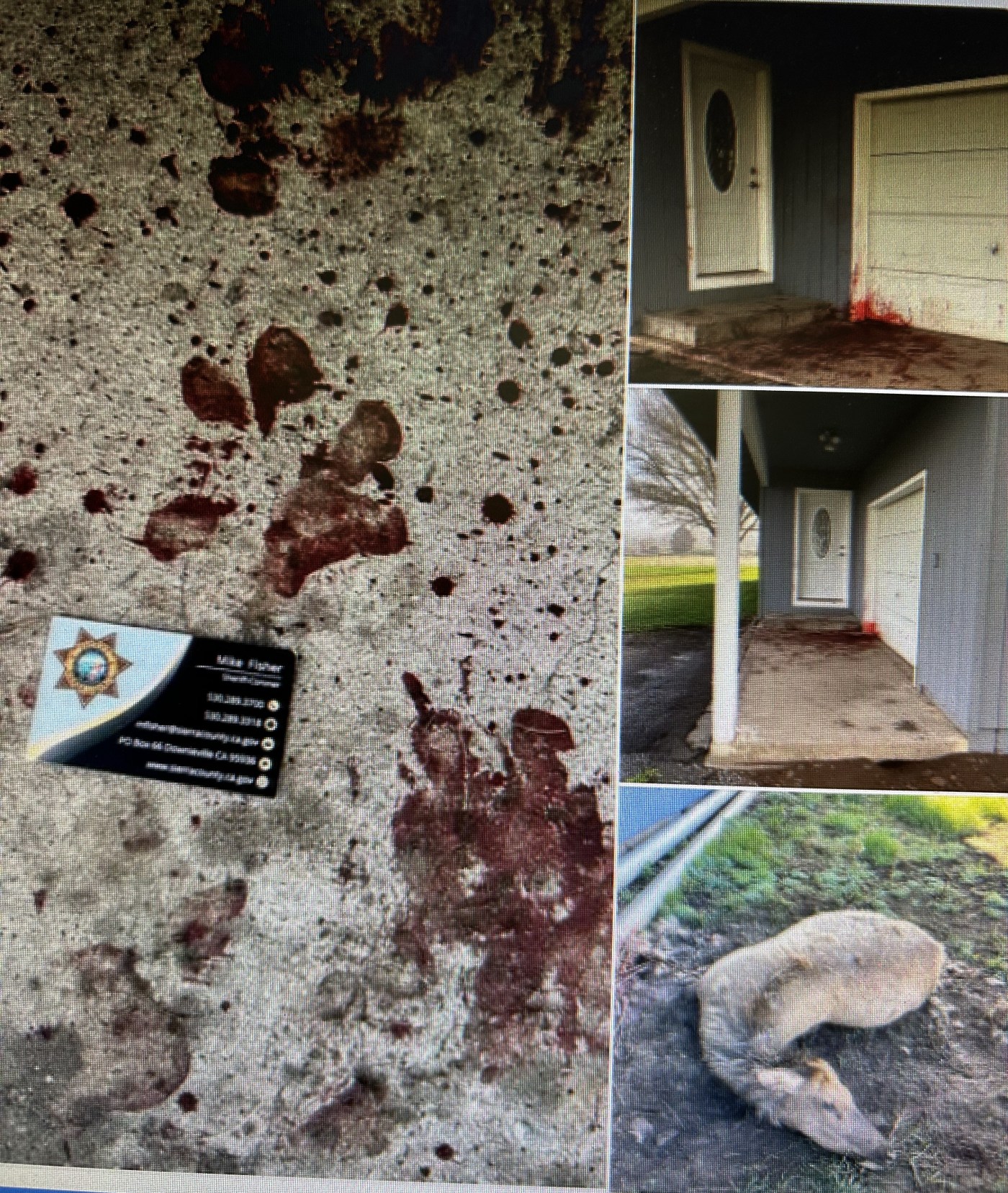
UPDATE: The U.S. House of Representatives is poised to vote this week on H.R. 845, the “Pet and Livestock Protection Act of 2025.” This crucial legislation aims to remove gray wolves from the federal Endangered Species Act list, granting state wildlife agencies control over their management.
Officials have emphasized the urgency of this matter, as the bill seeks to reinstate a 2020 rule by the U.S. Fish and Wildlife Service that delisted gray wolves across the lower 48 states. The California Cattlemen’s Association (CDA) is urging its members to contact their representatives immediately, advocating for a vote of “AYE” on this vital legislation. To find your U.S. Representative, visit www.house.gov.
In a troubling development, today, wolves were spotted dangerously close to Little Shasta Elementary School in Siskiyou County, just 0.6 miles away. At another point, they were seen chasing cattle approximately 0.9 miles from the school. This alarming proximity raises serious public safety concerns, particularly as children are often outside waiting for school buses or completing chores before classes start.
Jess Harris, a Siskiyou County Supervisor, highlighted the escalating threat posed by the habituation of wolves to human presence. “This behavior is no longer isolated or rare,” he stated. “Immediate, common-sense wildlife management solutions are urgently needed to safeguard our community.”
Farmers in regions like Sierra Valley, California, report increasing conflicts with wolves, prompting heightened attention to the issue. A report by agriculture journalist Angie Stump Denton indicates that local officials and ranchers are linking wolves to significant cattle losses during the 2025 grazing season. Many losses go unreported, as carcasses are often consumed before investigators arrive.
The repercussions of wolf presence extend beyond livestock deaths. Ranchers have reported distressed herds, with some cows aborting calves and experiencing reduced health. According to UC-Davis, the indirect costs of wolf presence can lead to substantial annual financial losses for producers.
Ranchers stress that wolves are not merely “big coyotes.” Data shows that wolves cause higher livestock losses per predator compared to coyotes, cougars, or bears. This grim reality underscores the need for effective wildlife management that reflects the true impact on agriculture.
Emotional tolls on ranching families are significant, with reports of sleepless nights and heightened stress levels. Ranchers also face the loss of livestock guardian dogs, essential for protecting herds, intensifying the emotional burden on families who consider these dogs both coworkers and companions.
As ranchers reduce herd sizes or exit the industry, local economies suffer. Schools lose students, veterinarians and feed stores face decreased business, and county revenues decline. The consequences of these losses extend far beyond the farms themselves, impacting entire rural communities.
Ranchers are not asking for wolves to disappear but are advocating for management strategies that reflect reality. They seek fair compensation for losses, authority to defend livestock under attack, and policies that do not place the financial burden of predator conservation solely on rural families.
With the vote on H.R. 845 approaching, stakeholders are calling for immediate action. As the situation develops, it is crucial for communities to remain informed and engaged, as the implications of this legislation could reverberate throughout rural America.
In related news, mark your calendars for the 73rd annual Tehama County Cattlemen’s Winter Dinner and 23rd Scholarship Fundraiser on January 10, 2026, at the Red Bluff Elks Lodge. This event will feature a Prime Rib Dinner and exciting auction items, highlighting the resilience of the agricultural community amidst current challenges.
Stay tuned for further updates on this critical issue impacting both wildlife management and the livelihoods of rural families.