A recent call by leftist activists to “globalize the Intifada” has ignited outrage and concern among various communities in Australia, particularly in Sydney. The phrase, which advocates for a worldwide uprising in support of Palestinian rights, has drawn sharp criticism for its perceived endorsement of violence and antisemitism. This reaction has intensified following a series of violent incidents and protests that have occurred across the nation.
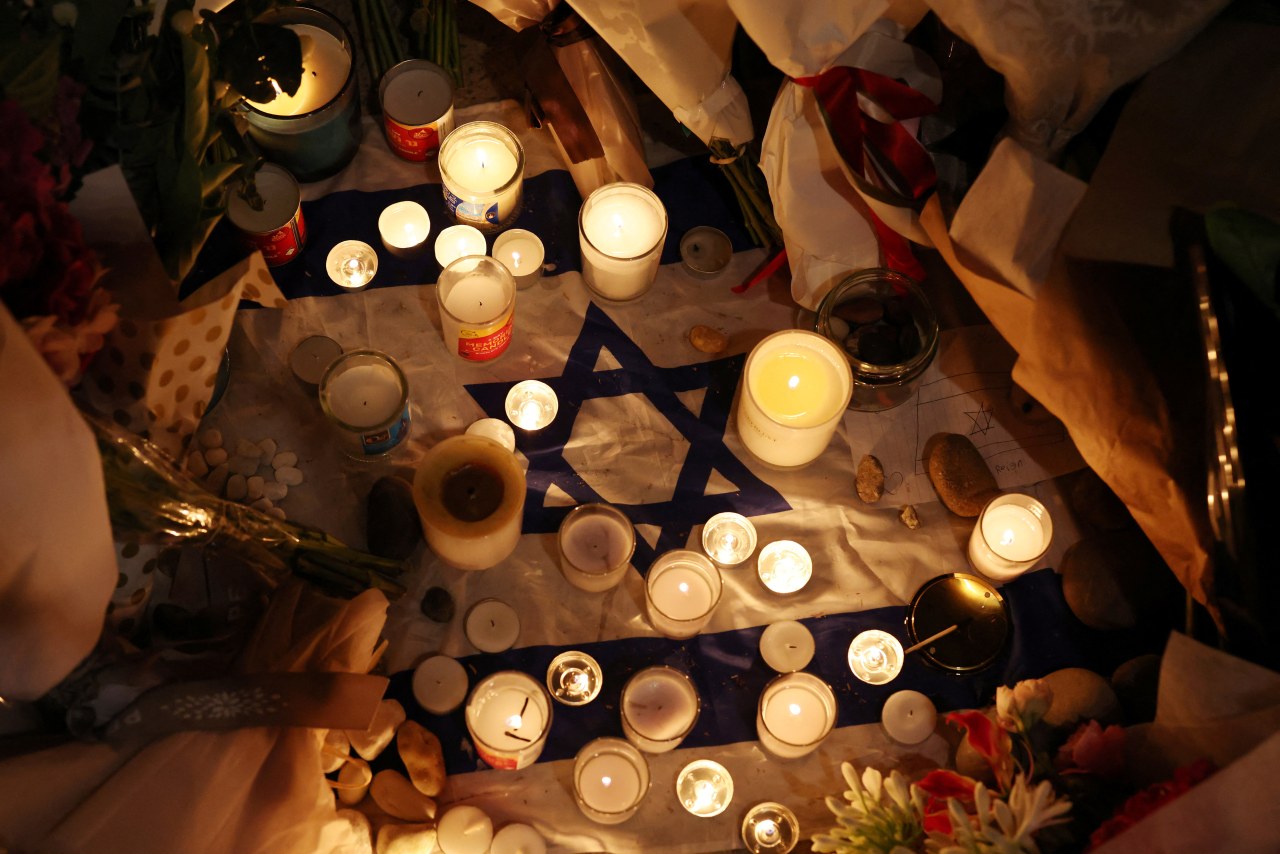
In Sydney, the situation reached a boiling point at Bondi Beach, a popular location known for its vibrant community and multicultural atmosphere. Demonstrators, while expressing solidarity with Palestinians, have been accused of fostering an environment that promotes antisemitic rhetoric. The Jewish community, which has a significant presence in Australia, has voiced alarm over the rise in antisemitic incidents linked to these protests. According to the Executive Council of Australian Jewry, reports of antisemitic attacks have increased by over 40% in recent weeks.
The protests, which have taken place in various cities, have seen participants chanting slogans that many interpret as inflammatory. These actions have led to a backlash from both political leaders and community groups. Peter Dutton, the leader of the Liberal Party, condemned the rhetoric surrounding the protests, stating that “antizionism can easily morph into antisemitism.” His remarks echo a broader concern that the normalization of violent language could lead to further divides within society.
In response to the growing tensions, several community leaders have called for a more nuanced dialogue that acknowledges the complexities of the Israeli-Palestinian conflict. Dr. Rachel Kahn, a prominent Australian academic, emphasized the need for constructive discussions instead of inflammatory rhetoric. “We must strive for peace and understanding rather than fueling hate,” she remarked during a community forum in Sydney on October 20, 2023.
As the debate continues, many are questioning the implications of such calls for global action. Critics argue that the phrasing of “globalize the Intifada” not only risks inciting violence but also undermines the legitimate grievances of Palestinians by associating their struggle with extremist views. The situation calls for careful consideration of language and its impact on communities, particularly those already vulnerable to hatred and division.
The controversy surrounding these protests highlights a growing rift in public opinion regarding Israel and Palestine. With increasing polarization, individuals and groups are grappling with how to advocate for justice without crossing into harmful territory. The challenge lies in fostering solidarity while rejecting antisemitism in all its forms.
As the situation evolves, it remains crucial for leaders and activists alike to navigate these discussions with sensitivity and a commitment to peaceful dialogue. The call to “globalize the Intifada” serves as a reminder of the delicate balance required in advocating for human rights while ensuring that such advocacy does not come at the expense of others.