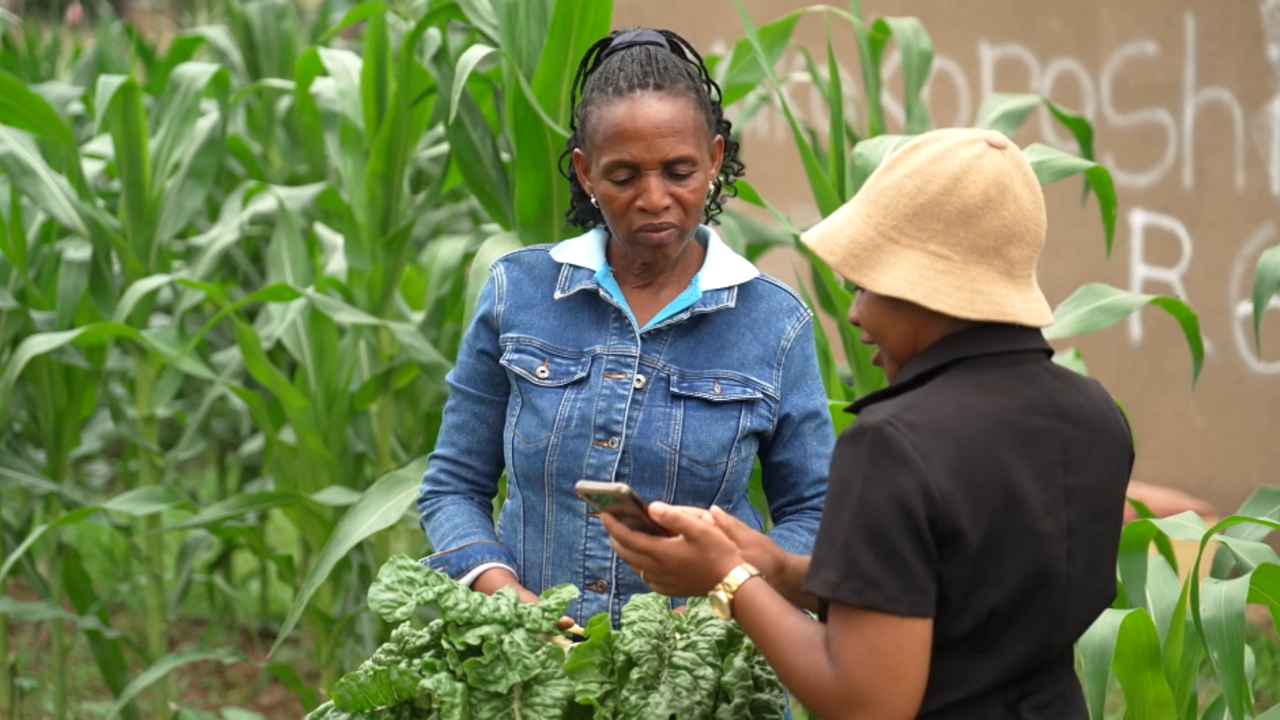
Africa is experiencing a significant transformation through advancements in artificial intelligence (AI). Numerous countries across the continent are adopting cutting-edge technologies to enhance healthcare, boost agricultural productivity, and stimulate economic growth. This shift is expected to play a pivotal role in addressing some of the region’s most pressing challenges.
Governments and organizations are investing heavily in AI initiatives. The African Union has set a target to allocate approximately $3.5 billion to support AI development by 2025. This funding will help improve infrastructure, training, and research efforts dedicated to leveraging AI for the continent’s benefit.
AI in Healthcare
In the healthcare sector, AI is revolutionizing diagnosis and patient management. Countries like Ghana and Kenya are implementing AI-driven solutions to enhance disease detection and treatment. For instance, AI algorithms are being used to analyze medical imaging, allowing for earlier detection of conditions such as cancer and cardiovascular diseases. According to the World Health Organization (WHO), these technologies can significantly reduce the burden on healthcare systems, which often struggle with limited resources.
Furthermore, telemedicine platforms powered by AI are expanding access to healthcare in remote areas. By connecting patients with doctors through digital means, these platforms are breaking down barriers caused by geographical distances. The integration of AI in healthcare is not only improving patient outcomes but also streamlining operational efficiency within hospitals.
Boosting Agriculture through Technology
The agricultural sector is seeing similar advancements. AI technologies are being employed to optimize crop yields and improve food security across Africa. Farmers in South Africa are utilizing AI-driven predictive analytics to determine the best planting times and crop selections based on weather patterns and soil conditions. This data-driven approach is vital for enhancing agricultural productivity, particularly in regions affected by climate change.
Additionally, AI tools are aiding in pest detection and management, reducing the reliance on harmful pesticides. As a result, farmers can increase their yields while promoting sustainable practices. The investment in AI for agriculture is crucial, as it supports the livelihoods of millions and contributes to the continent’s economic stability.
The United Nations has identified these technological advancements as essential for achieving the Sustainable Development Goals. By harnessing AI, African nations are positioned to address food security and health challenges more effectively, paving the way for a brighter future.
In conclusion, Africa’s embrace of AI technology represents a transformative opportunity. With substantial investments and a focus on innovation, the continent is poised to enhance its healthcare systems and agricultural productivity. These developments not only promise to improve the quality of life for millions but also contribute to the overall economic growth of the region. As AI continues to evolve, its impact on Africa will likely be profound and far-reaching.