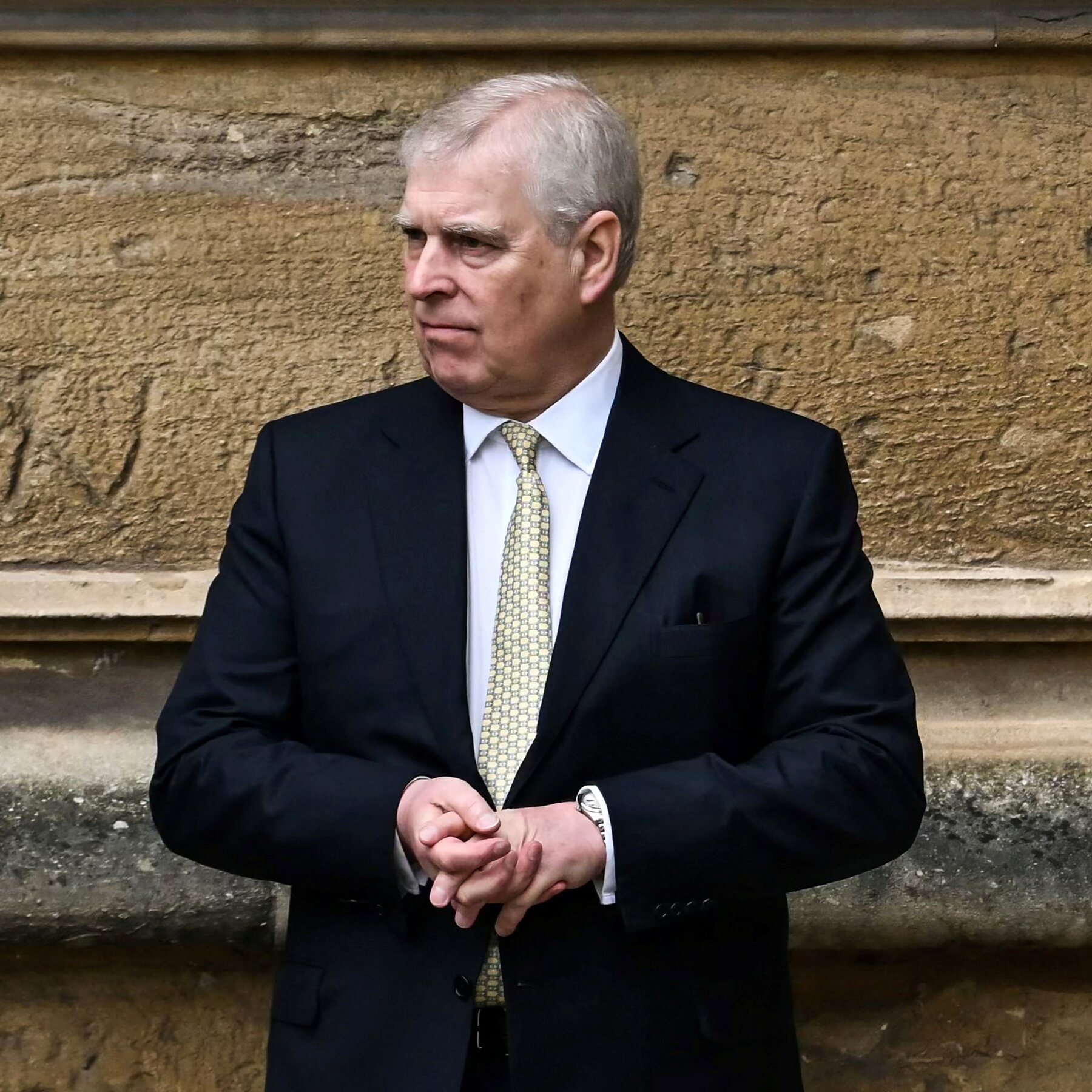
Andrew Mountbatten-Windsor, the younger brother of King Charles III, has recently drawn attention due to his complex relationship with the British monarchy and his controversial associations. Known as the Duke of York, Andrew once enjoyed a prominent position within the royal family, particularly cherished by his mother, Queen Elizabeth II. However, his reputation has suffered significantly due to his connection with convicted sex offender Jeffrey Epstein.
Born on February 19, 1960, Andrew served in the Royal Navy and undertook various royal duties throughout his life. Initially, he was seen as a charismatic figure, often engaging with the public and representing the monarchy at charitable events. His charm and dedication made him a beloved member of the royal family, particularly during his mother’s reign.
In the early 2000s, Andrew’s friendship with Jeffrey Epstein became a focal point of scrutiny. Epstein, who was convicted of sex trafficking and sexual abuse, had numerous high-profile connections. Andrew’s ties to Epstein included social visits and public appearances, which raised questions about his judgment and the implications for the royal family. This friendship has since led to significant backlash, diminishing his standing within the monarchy.
The scandal reached a tipping point in November 2019 when Andrew participated in a widely criticized television interview with the BBC. During the interview, he attempted to clarify his relationship with Epstein and address allegations of sexual misconduct. His responses were met with skepticism and anger, leading to his withdrawal from public royal duties. The fallout from this interview prompted the royal family to reassess Andrew’s role, ultimately leading to his removal from official engagements.
Impact on the Royal Family
The implications of Andrew’s actions extended beyond personal embarrassment; they also affected the wider perception of the British monarchy. Following the controversy, the royal family faced increased public scrutiny. Many questioned the monarchy’s relevance in modern society, particularly in light of past allegations and connections involving other royal family members. The institution, which has long been a symbol of tradition and stability, found itself grappling with the need for reform and transparency.
In early 2022, Andrew faced legal challenges when a lawsuit was filed against him by Virginia Giuffre, who alleged that he sexually assaulted her when she was a minor. The case drew international media attention and further fueled discussions about accountability within the royal family. To mitigate the situation, Andrew reached a settlement in February 2022 for an undisclosed amount, reportedly around $12 million. The settlement allowed him to avoid a prolonged court battle but did little to repair his public image.
A Future in the Shadows
As Andrew remains distanced from royal duties, his future role within the family continues to be uncertain. The monarchy has signaled a shift towards modernizing its image and distancing itself from past controversies. This change comes as the institution seeks to regain public trust and engagement.
The royal family is now navigating a delicate balance between tradition and modern expectations. With King Charles III at the helm, there is a clear desire to adapt to contemporary values while preserving the monarchy’s historical significance. Andrew’s situation serves as a reminder of the challenges faced by public figures in today’s society, where personal associations can have far-reaching consequences.
The journey of Andrew Mountbatten-Windsor highlights the complexities of royal life and the impact of personal choices on public perception. As the British monarchy evolves, the future of its members remains a topic of great interest and scrutiny.