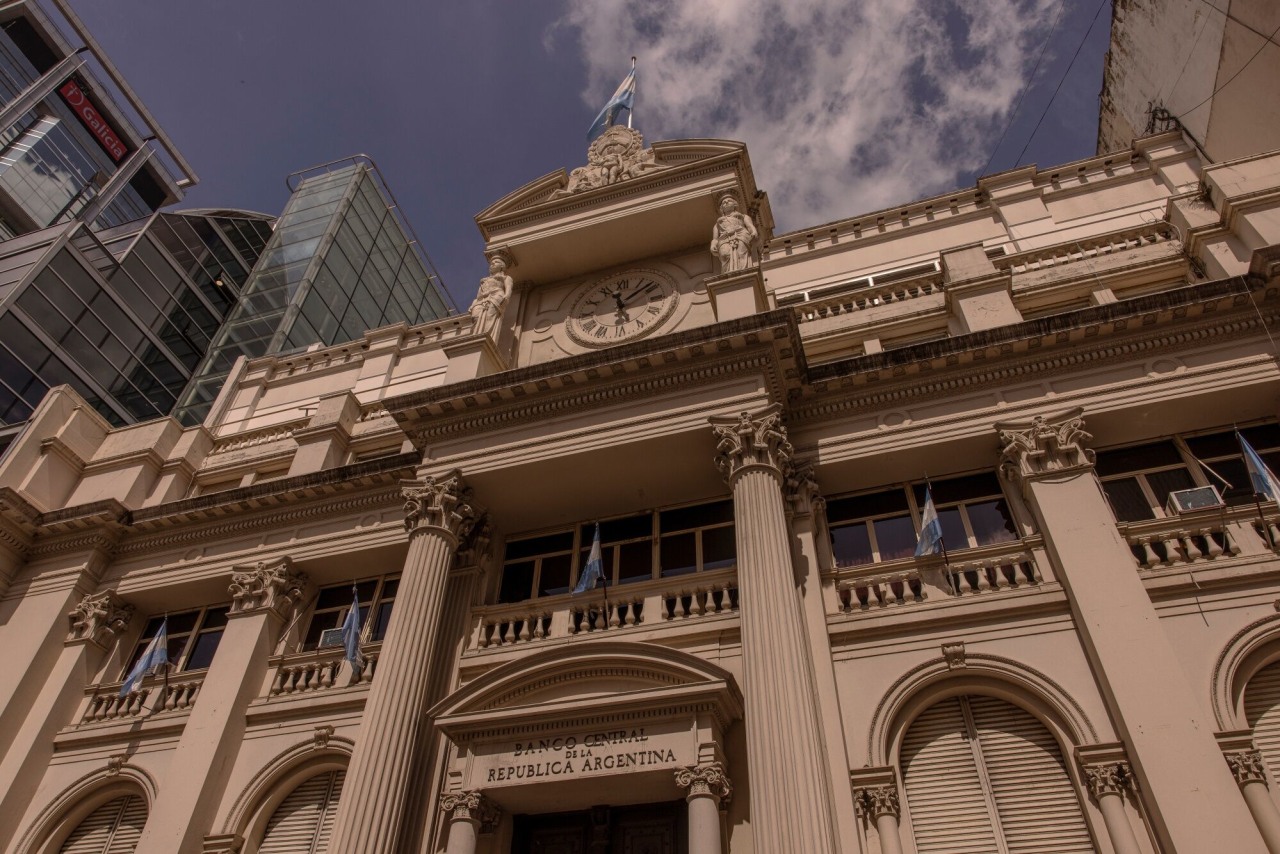
Argentina’s Central Bank has announced a significant adjustment to its currency policy, shifting the peso’s currency band in an effort to address its overvaluation. This move comes as part of President Javier Milei‘s broader economic strategy aimed at stabilizing the nation’s currency and enhancing international reserves.
The adjustment, revealed on October 5, 2023, is expected to allow for increased flexibility in the exchange rate. By altering the band, the Central Bank aims to create a more realistic valuation of the peso, which has been facing pressure from inflation and a fluctuating economy. The goal is to re-establish confidence in the currency, which has been struggling against the backdrop of rising prices and economic instability.
Impact on the Economy and Public Perception
This policy shift is crucial for Argentina, which has been grappling with soaring inflation rates, currently hovering around 124%. The Central Bank’s decision to modify the currency band is intended not only to stabilize the peso but also to attract foreign investment and support economic recovery. Analysts suggest that a more accurately valued currency could bolster the country’s international reserves, which have been dwindling.
In a statement, the Central Bank emphasized that the change is designed to “provide a more realistic framework for the Argentine peso,” and to facilitate a smoother operation in foreign exchange markets. The bank believes that this approach will help restore trust among investors and stabilize the financial system.
Public reaction has been mixed, with some citizens expressing hope that the adjustment will lead to economic improvement. Others remain skeptical, citing past experiences of economic mismanagement. Many Argentines are concerned about the potential for further inflation and devaluation, which could impact their purchasing power.
Future Outlook and International Relations
The adjustment comes at a critical time as Argentina seeks to negotiate with the International Monetary Fund (IMF) for financial assistance. The government aims to secure a deal that would provide the necessary support to stabilize its economy while adhering to the IMF’s stringent conditions.
As of now, the Central Bank has not provided specific targets for the peso’s valuation or the expected timeline for economic recovery. Observers will be closely monitoring the situation to assess whether the new currency policy will yield the desired effects.
In summary, Argentina’s decision to modify its currency band represents a pivotal step in its ongoing efforts to stabilize the economy and rebuild international reserves. The effectiveness of this policy will depend on the government’s ability to manage inflation and restore confidence among both domestic and international stakeholders.