A woman was found dead on K’gari, formerly known as Fraser Island, as Australian authorities investigate a possible dingo attack. The incident has led to significant beach closures along the east coast, coinciding with a series of shark attacks that have raised safety concerns for swimmers.
The deceased is a 19-year-old Canadian woman, whose identity has not been publicly disclosed. Police were alerted early on Monday, January 1, 2024, after her body was discovered near the Maheno shipwreck, a well-known tourist site. According to Police Inspector Paul Algie, two men stumbled upon the scene and reported seeing a pack of approximately ten dingoes surrounding the body. Algie noted, “I can confirm there were markings on her body consistent with having been touched and interfered with by the dingoes.”
While the investigation continues, it remains uncertain how the woman died. Algie indicated that drowning during a swim could also be a possibility. “She was a young, healthy Canadian woman who was enjoying the trip of a lifetime,” he stated, emphasizing the tragedy of the situation. The official cause of death is expected to be determined by midweek.
In light of the incident, authorities have urged the public to steer clear of dingoes, which are a protected species on K’gari, part of a World Heritage-listed national park. Although attacks on humans are rare, a close call occurred in 2023 when a jogger was severely injured by a pack of dingoes in the same area.
Shark Attacks Prompt Widespread Beach Closures
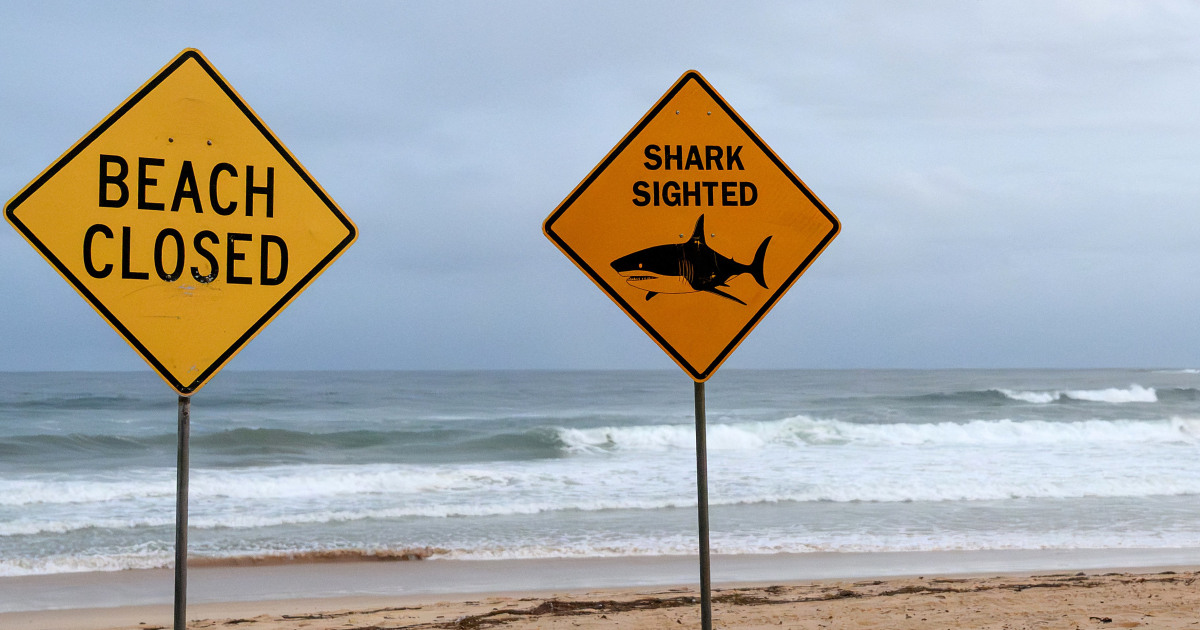
The dingo incident is compounded by a troubling rise in shark attacks that have led to the closure of dozens of beaches in New South Wales. Following four attacks in just two days, local officials have taken precautionary measures to ensure public safety. Two individuals are currently in critical condition after these incidents, prompting a swift response from authorities.
In Port Macquarie, about 400 kilometers north of Sydney, beaches were closed after a shark attack left a 39-year-old surfer with minor injuries. Steve Pearce, chief executive of Surf Life Saving New South Wales, advised, “If you’re thinking about going for a swim, just go to a local pool because at this stage, we’re advising that the beaches are unsafe.” He attributed the increased activity of bull sharks to murky waters caused by recent heavy rains.
In Sydney’s Northern Beaches, a surfer in his twenties sustained serious leg injuries after a shark bite at North Steyne Beach on the evening of January 1. Tragically, this incident follows the recent loss of Mercury Psillakis, a 57-year-old surfer who died from a shark attack in September. Northern Beaches Mayor Sue Heins expressed community shock, stating, “Many are still grieving the loss of Mercury Psillakis and we are all shocked this can have happened again so soon on our beaches.”
On the same day, a boy narrowly escaped injury when a shark bit his surfboard at Dee Why Beach. All beaches in the Northern Beaches area will remain closed until at least Wednesday, January 3.
Earlier in the week, a 12-year-old boy was attacked while jumping off rocks near Shark Beach in Vaucluse, suffering severe injuries to both legs. In response to the spate of attacks, organizers have canceled the upcoming Sydney Harbour Splash, an annual ocean swimming event, “out of deep respect for the young boy who was tragically attacked yesterday, and for his family and friends.”
Australia’s beaches are typically bustling with visitors during the Southern Hemisphere summer. Despite the current situation, it is important to note that both dingoes and sharks rarely attack humans unprovoked. According to the Australian Shark Attack File, the country averages 20 injury-causing shark incidents annually, with fewer than three fatalities each year—far fewer than the number of deaths related to drowning and road accidents.
As investigations into both the dingo incident and shark attacks continue, officials are working to ensure the safety of locals and tourists alike during this peak travel season.