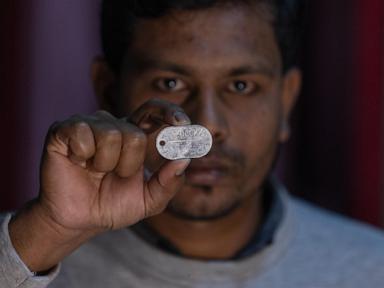
In a shocking revelation, Bangladeshi workers seeking employment in Russia have found themselves forcibly conscripted into combat roles in Ukraine. An investigation by the Associated Press uncovered that individuals like Maksudur Rahman were lured with promises of civilian jobs, only to be thrust into the chaos of war. Rahman, who traveled from his hometown of Lakshmipur, Bangladesh, was recruited under the guise of a janitorial position, but soon discovered that he had signed military contracts instead.
Upon arriving in Moscow in December 2024, Rahman and other Bangladeshi workers were coerced into signing documents in Russian, believing they were contracts for non-combat jobs. They were subsequently transported to a military facility where they underwent rigorous training in combat techniques, including the use of heavy weapons and drone operations. Rahman recounted a chilling exchange with a Russian commander who bluntly informed him, “Your agent sent you here. We bought you.”
The plight of Rahman and his peers is echoed in the harrowing stories of others who faced similar fates. Many were threatened with violence, imprisonment, or death if they refused to comply with orders. The accounts of three men who escaped from the Russian military provide a glimpse into the dangerous circumstances they endured. These men were forced into front-line duties, including transporting supplies and evacuating wounded soldiers, often under the threat of immediate repercussions.
Families of missing Bangladeshi workers have reported similar experiences. Many of these individuals had left home with the hope of a better life, only to find themselves embroiled in a conflict that they never anticipated. The investigation revealed that the Russian Defense Ministry and Foreign Ministry, as well as the Bangladeshi government, did not respond to inquiries regarding these incidents.
The recruitment process often involved deception. Mohan Miajee, another Bangladeshi worker, was initially promised a job as an electrician in a gas-processing plant. However, he was quickly redirected to a military camp after being told that his skills were needed for a non-combat role. Instead, he experienced brutal treatment, including beatings and torture, when he resisted orders.
Reports indicate that many Bangladeshi workers were unaware of the true nature of their contracts. Some believed they would be employed in civilian capacities, only to discover that they were being trained for warfare. This disillusionment was a common theme among those interviewed, with several men expressing regret over their decisions to accept offers from labor recruiters.
The extent of this issue remains unclear, but it is believed that hundreds of Bangladeshi workers have been entangled in this situation. Investigators estimate that around 40 individuals may have lost their lives in the conflict, while others continue to be missing. The Bangladeshi police have launched investigations into trafficking networks that facilitate the recruitment of these workers, which appear to involve Bangladeshi intermediaries with connections to the Russian government.
In the Lakshmipur district, the migration of workers has become a means of survival for many families. Job scarcity and poverty drive individuals to seek opportunities abroad, often leading to exploitative situations. Families cling to the hope that their missing relatives will return, holding onto documents and messages that may one day reveal their fate.
The situation has drawn the attention of organizations like BRAC, which advocates for the rights of Bangladeshi workers. Following reports of missing individuals, BRAC has initiated investigations and found that multiple men were deceived into military service. The organization highlights the urgent need for greater protections for migrant workers who are vulnerable to exploitation.
As the conflict in Ukraine continues, the stories of these Bangladeshi workers serve as a stark reminder of the perils faced by those seeking better lives abroad. The international community must address these human rights violations to prevent further tragedies. Families like Rahman’s and Miajee’s deserve to have their loved ones returned safely, and the broader issue of labor exploitation must be confronted head-on.