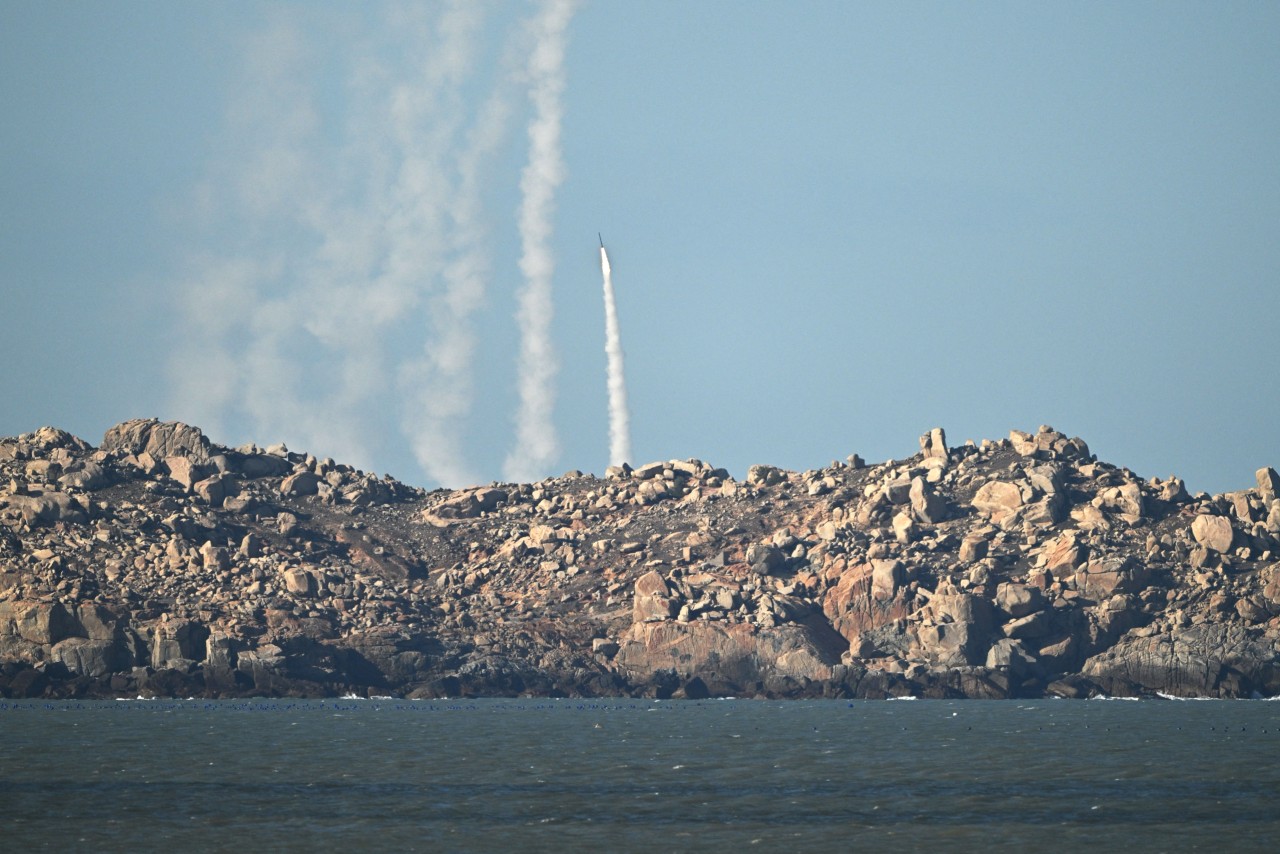
Beijing conducted extensive military drills encircling Taiwan from September 14 to September 17, 2023, escalating tensions in the region. The Chinese People’s Liberation Army (PLA) warned foreign entities to refrain from interference during this period, emphasizing its stance on Taiwan, which it considers a breakaway province.
The drills involved live-fire exercises and air and naval operations. This display of military might included the deployment of fighter jets, naval vessels, and missile systems, showcasing China’s readiness to assert its claims over Taiwan. Such actions are viewed as a direct response to increasing support for Taiwan from the United States and other allies.
Heightened Regional Tensions
The timing of these military exercises coincides with ongoing discussions regarding Taiwan’s defense strategies. Taiwan’s Ministry of National Defense reported that it was closely monitoring the situation, maintaining a state of readiness in response to any potential threats. The government’s response underscores the delicate balance of power in the Taiwan Strait, where both military presence and diplomatic relations are in constant flux.
In light of these developments, the United States reaffirmed its commitment to Taiwan, with officials reiterating the importance of peace and stability in the region. The U.S. has been a vocal supporter of Taiwan, providing military aid and conducting joint exercises to bolster its defenses against potential aggression from Beijing.
International Reactions and Implications
The military drills drew condemnation from various nations, highlighting the broader implications for regional security. Japan, for instance, expressed concerns regarding the drills, which occurred near its territorial waters, prompting discussions on enhancing its own military capabilities in response to China’s assertiveness.
China’s warning to foreign nations not to interfere is indicative of its broader strategy to deter international involvement in Taiwan’s affairs. This approach aims to solidify China’s claims and discourage foreign military presence in the area, which Beijing views as a direct challenge to its sovereignty.
The situation remains fluid, with potential for further escalation as both sides navigate this complex geopolitical landscape. The international community continues to watch closely, aware that the stakes are high not only for Taiwan but for regional stability in the Pacific Ocean.
As these tensions unfold, it is clear that the dynamics surrounding Taiwan will play a critical role in shaping future relations between China, Taiwan, and the nations that support Taiwan’s autonomy. The outcome of this situation could have lasting implications for security and diplomacy in the Asia-Pacific region.