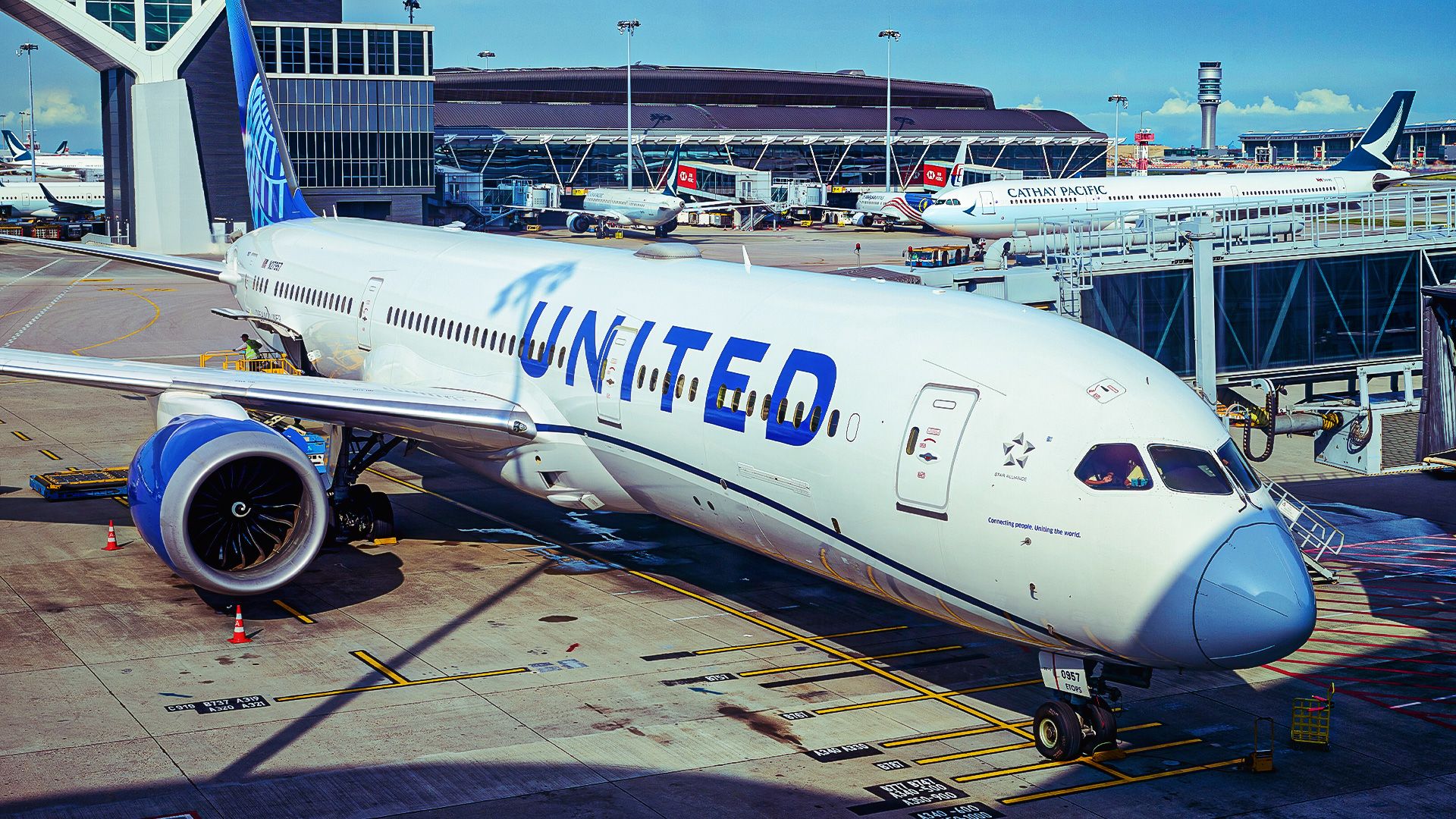
The competition between the Boeing 787 and the Airbus A330neo has intensified as airlines seek a modern replacement for the aging Boeing 767 fleet. Currently, the two largest operators of the 767 are Delta Air Lines, which operates 58 aircraft, and United Airlines, with a fleet of 53. Both airlines utilize the 767-300ER and 767-400ER variants, but these aircraft have been in service for over 20 years, raising questions about their long-term viability.
The Boeing 767, once a stalwart in long-haul travel, has seen its share of wear and tear. While Delta and United have maintained their fleets, the aircraft’s age is becoming a critical consideration as airlines look to enhance fuel efficiency and passenger comfort. The introduction of the Boeing 787 and the Airbus A330neo presents a timely opportunity for these carriers to upgrade to more advanced technology.
Comparing the Aircraft: Specifications and Performance
The Boeing 787, known for its fuel efficiency and advanced composite materials, offers a significant upgrade over the older 767 models. It features a range of approximately 7,530 nautical miles, allowing airlines to operate longer routes without the need for refueling. Additionally, the 787’s modern cabin design and amenities have proven popular among passengers, enhancing the overall travel experience.
On the other hand, the Airbus A330neo also stands out with its performance specifications. With a range of up to 7,200 nautical miles, it offers competitive performance while providing a spacious cabin layout designed for passenger comfort. Airlines have noted that the A330neo’s operational flexibility makes it an attractive option for various routes, from transcontinental to long-haul international flights.
Both aircraft come equipped with the latest in aerodynamics and engine technology, which contribute to lower fuel consumption compared to older jets. According to the International Air Transport Association (IATA), airlines are increasingly prioritizing sustainability, and the 787 and A330neo are designed with fuel efficiency in mind, potentially reducing operating costs significantly.
Market Trends and Airline Decisions
As Delta and United weigh their options, the decision to replace their 767 fleets will likely depend on several factors, including cost, operational needs, and passenger demand. The Boeing 787 and Airbus A330neo are both well-positioned in the market, each offering airlines unique advantages that could suit different operational strategies.
Industry experts indicate that airlines are moving towards more efficient aircraft as they recover from the impacts of the COVID-19 pandemic. The demand for air travel is rebounding, and carriers are eager to modernize their fleets to meet this renewed interest. According to a report by Airbus, the market for new widebody aircraft is expected to grow significantly over the next decade, driven by the need for airlines to replace older models.
The decision to transition from the 767 to either the 787 or A330neo will also involve considerations of fleet commonality and pilot training. Airlines typically prefer to maintain a homogeneous fleet to reduce complexity in operations and training costs. Both Boeing and Airbus have tailored their offerings to accommodate these preferences, making their models appealing for airlines looking to streamline operations.
As Delta and United contemplate their future fleets, the competition between the Boeing 787 and Airbus A330neo could reshape the landscape of long-haul travel. The choice each airline makes will not only impact their operational efficiency but also influence passenger experiences in the years to come.
In conclusion, as the aviation industry continues to evolve, the question remains: which aircraft will emerge as the true successor to the Boeing 767? With the stakes high, both the Boeing 787 and Airbus A330neo are ready to take on the challenge, each vying for a place in the skies as airlines forge ahead into a new era of air travel.